Everest Base Camp Trek 14 Days
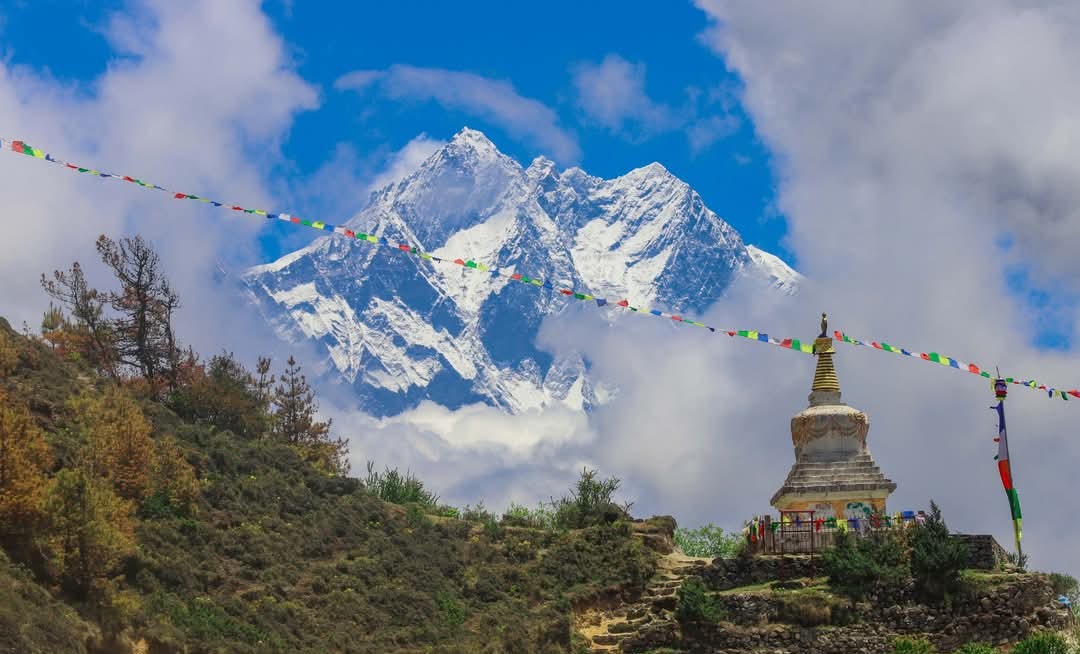
Trek through the legendary Khumbu Valley to the foot of the world's highest peak, passing Sherpa villages, ancient monasteries, and jaw-dropping Himalayan scenery along the way. Over 14 unforgettable days, reach Everest Base Camp and Kala Patthar for iconic views of Everest, Lhotse, and Nuptse.
Overview
Overview
The Everest Base Camp Trek is a 14-day journey through Nepal's Khumbu region to the base of Mount Everest. The trek to Everest Base Camp at 5,364 m (17,598 ft) includes a hike to Kala Patthar at 5,545 m, the highest point on this itinerary.
The journey starts with a mountain flight to Lukla. The trail follows the Dudh Koshi valley through Phakding and into Sagarmatha National Park. From there, the trail climbs to Namche Bazaar, Tengboche, Dingboche, Lobuche, Gorak Shep, and finally Everest Base Camp. Two acclimatization days, one in Namche Bazaar and another in Dingboche, are built into the itinerary to help your body adjust gradually to the altitude.
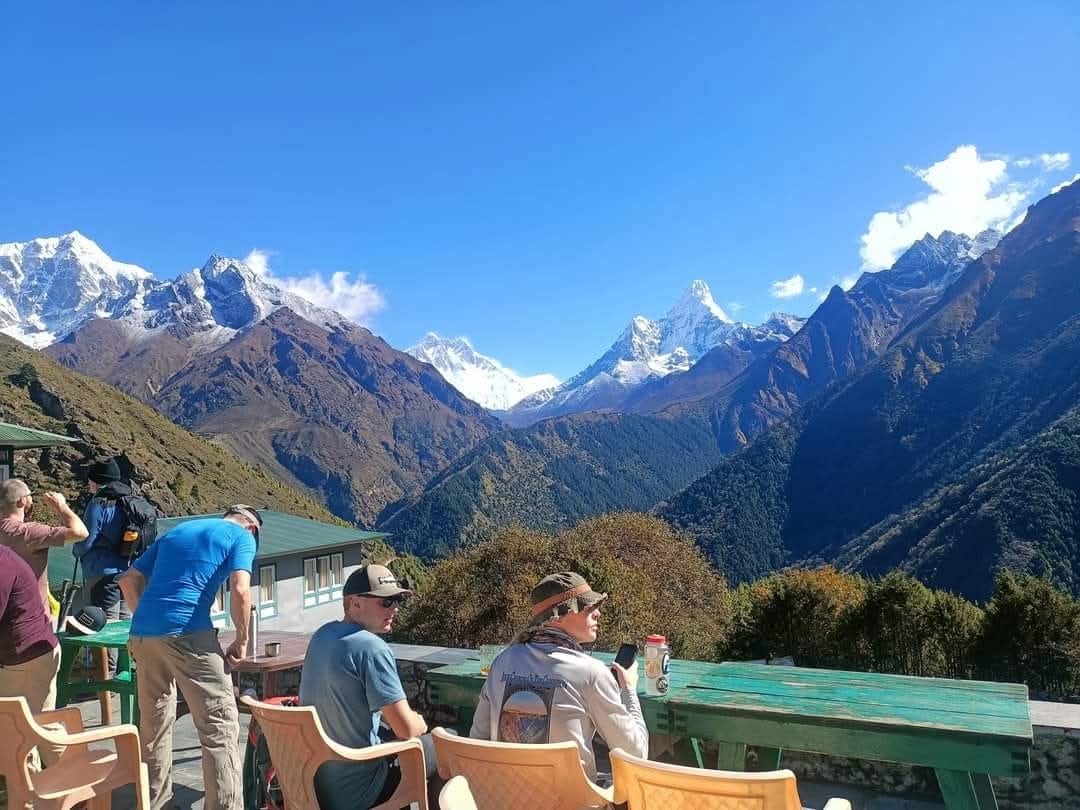
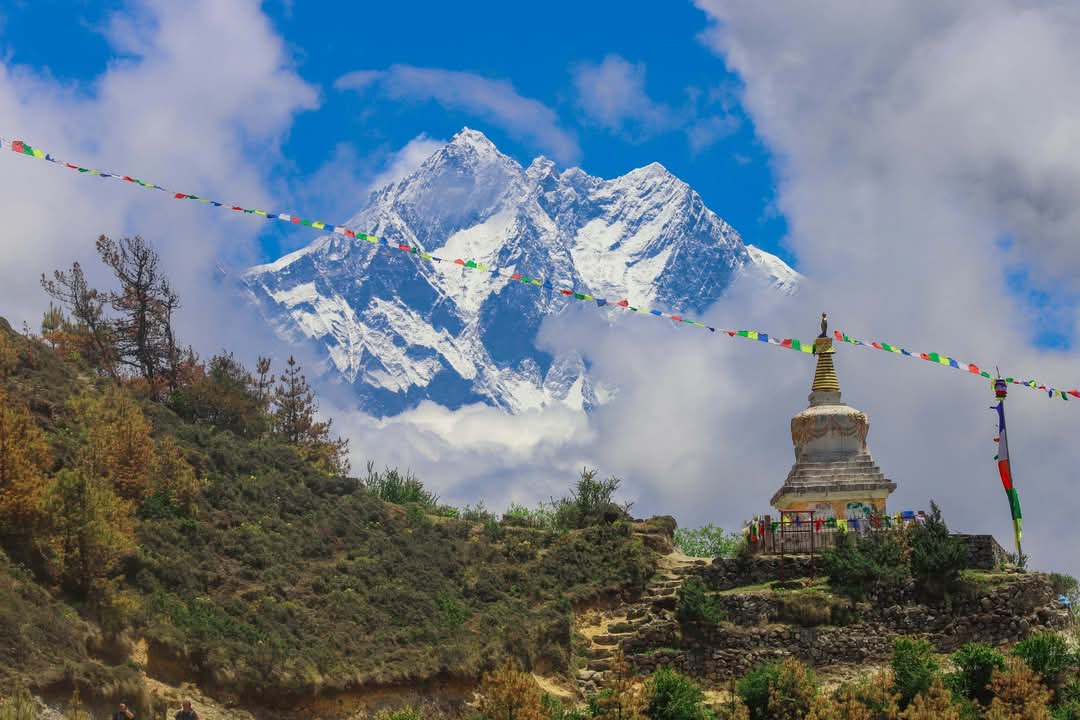
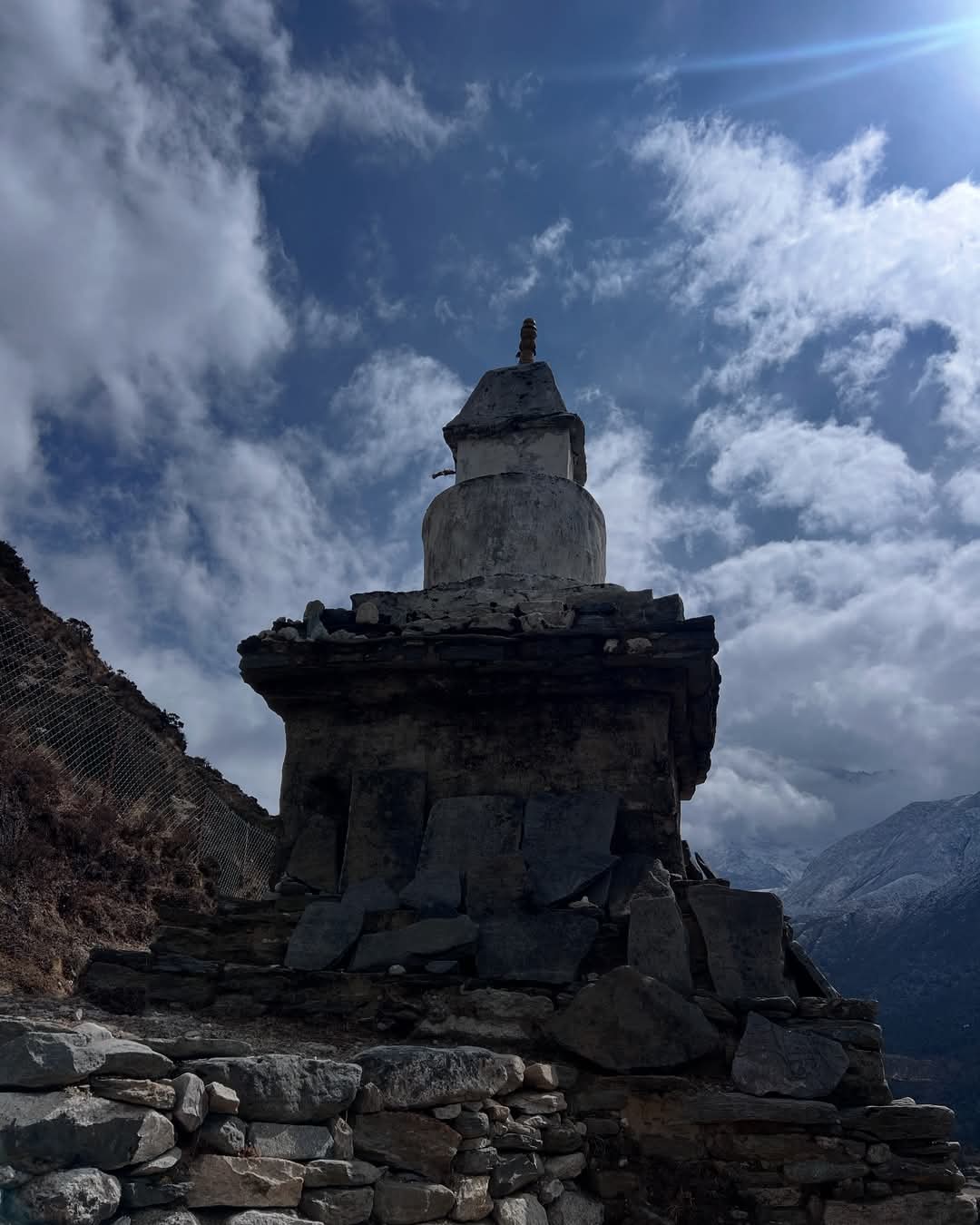
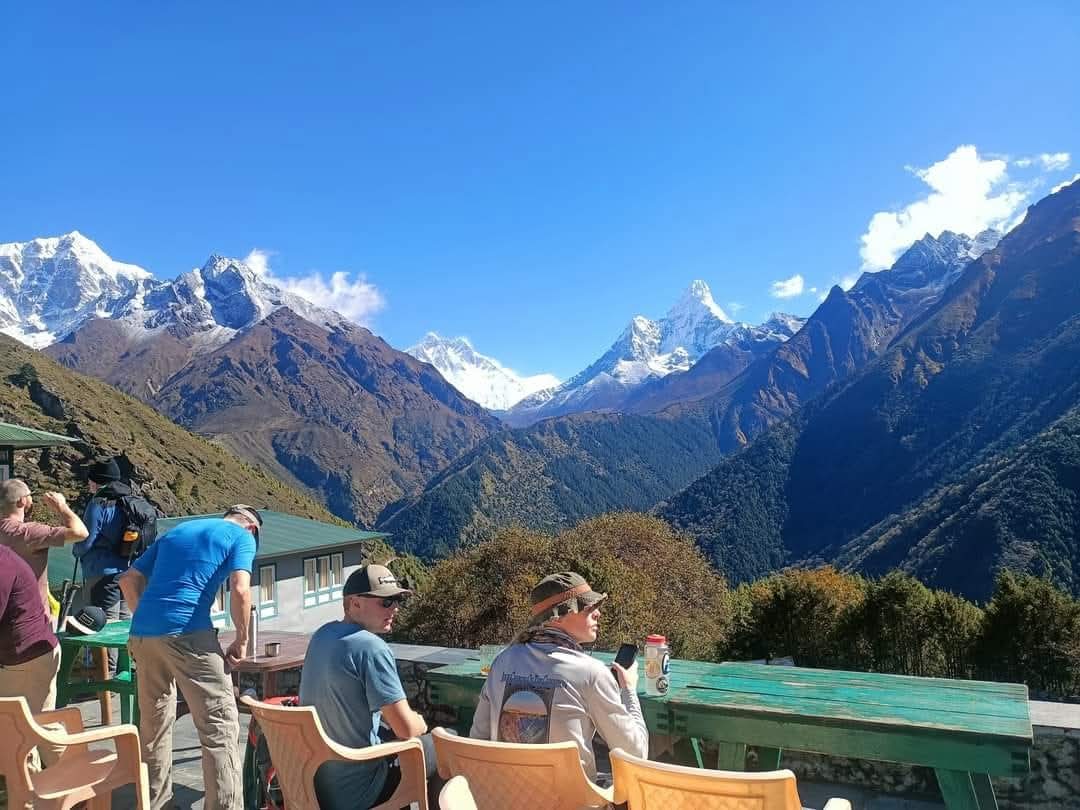
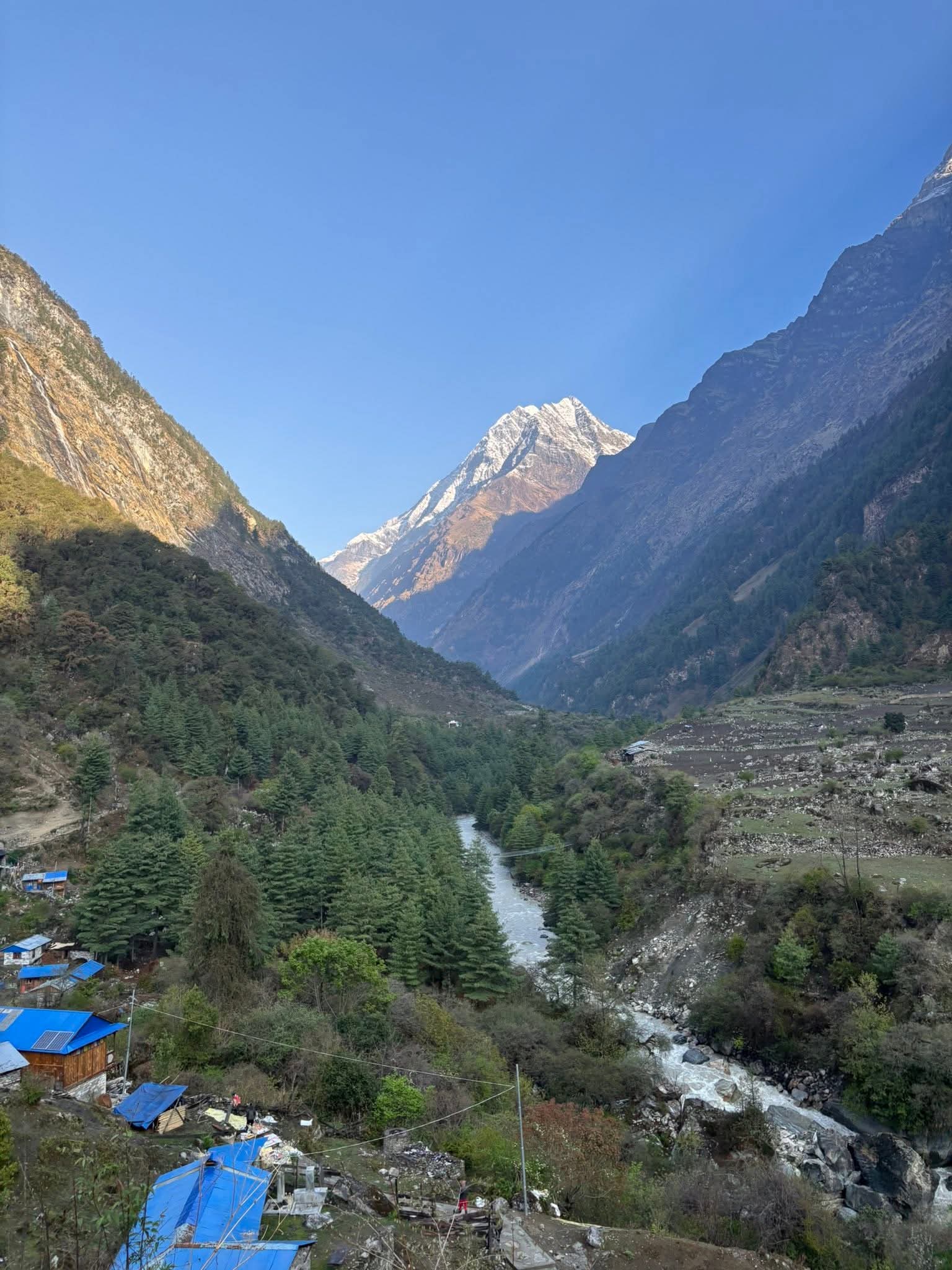
Along the route, you pass mani walls, prayer flags, monasteries, small villages, suspension bridges, alpine valleys, and the Khumbu Glacier while walking beneath mountains including Everest, Lhotse, Nuptse, Ama Dablam, Thamserku, and Pumori.
The trek does not require technical climbing experience, but altitude and repeated days of walking make it physically demanding. Most trekking days involve around five to eight hours on foot, and conditions become colder and more basic as you move higher.
Highlights of the trek
- Reach Everest Base Camp at 5,364 m (17,598 ft).
- Hike to Kala Patthar at 5,545 m for wide views across Everest.
- Explore the main trading and trekking hub of the Khumbu at the Namche Bazzar.
- Visit Tengboche, the important Buddhist monastery at approximately 3,860 m.
- Walk through Sagarmatha National Park, a UNESCO World Heritage-listed landscape.
- Follow the Dudh Koshi valley across suspension bridges and through Sherpa settlements.
- Walk beside the Khumbu Glacier on the approach to Everest Base Camp.
- See peaks including Everest, Lhotse, Nuptse, Ama Dablam, Thamserku, and Pumori when weather conditions are clear.
- Experience the Sherpa culture in villages in the Khumbu Region.
- Take the mountain flight between Kathmandu or Manthali/Ramechhap and Lukla, depending on seasonal flight operations.
Your 14-day itinerary
Detailed Itinerary
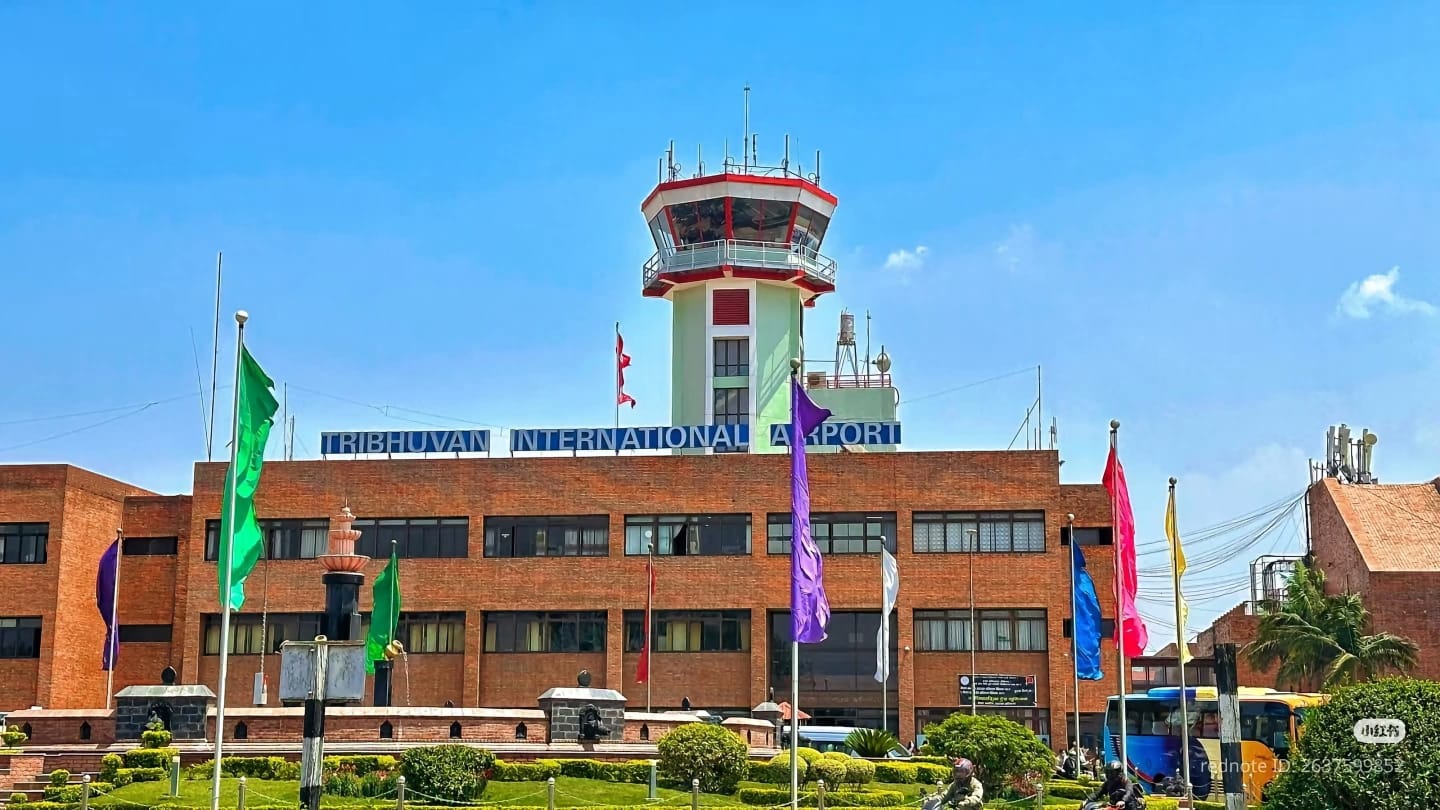
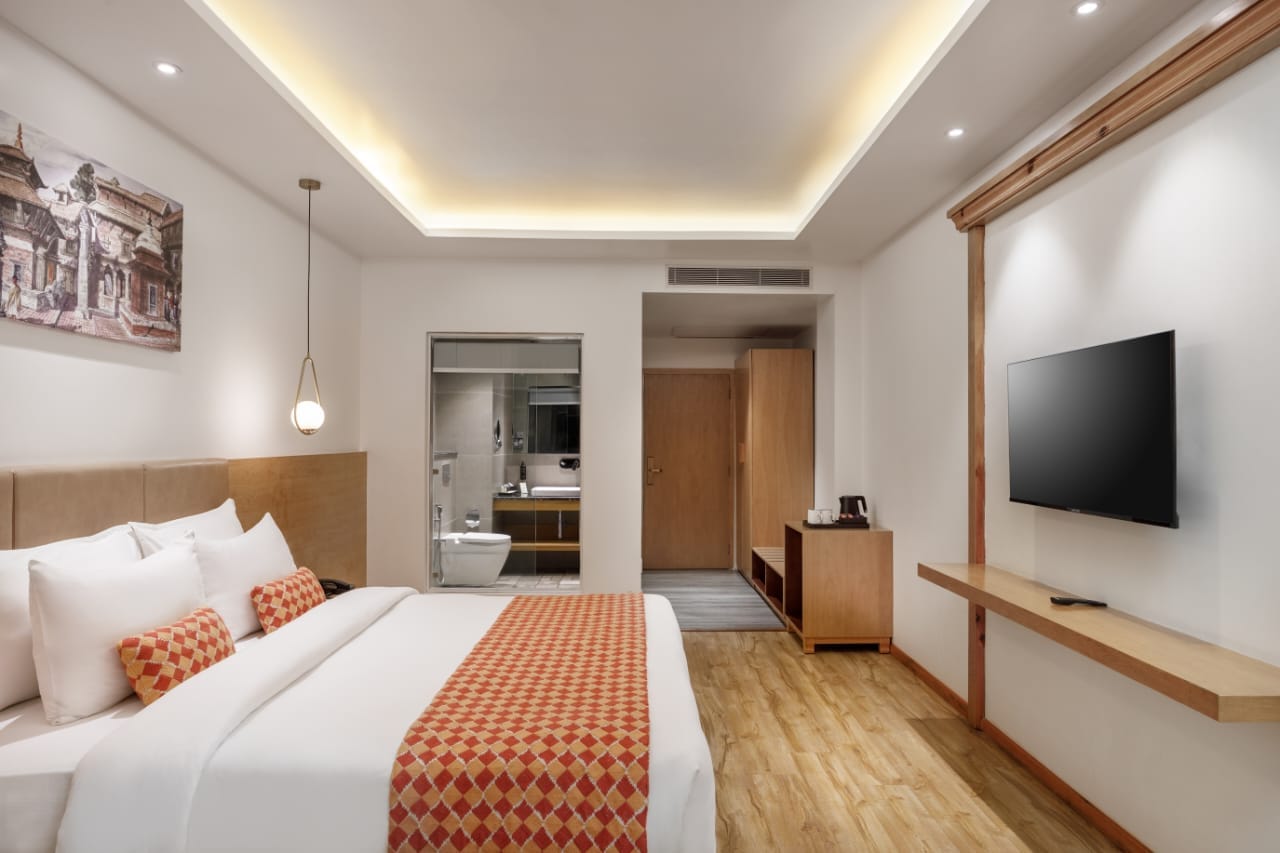
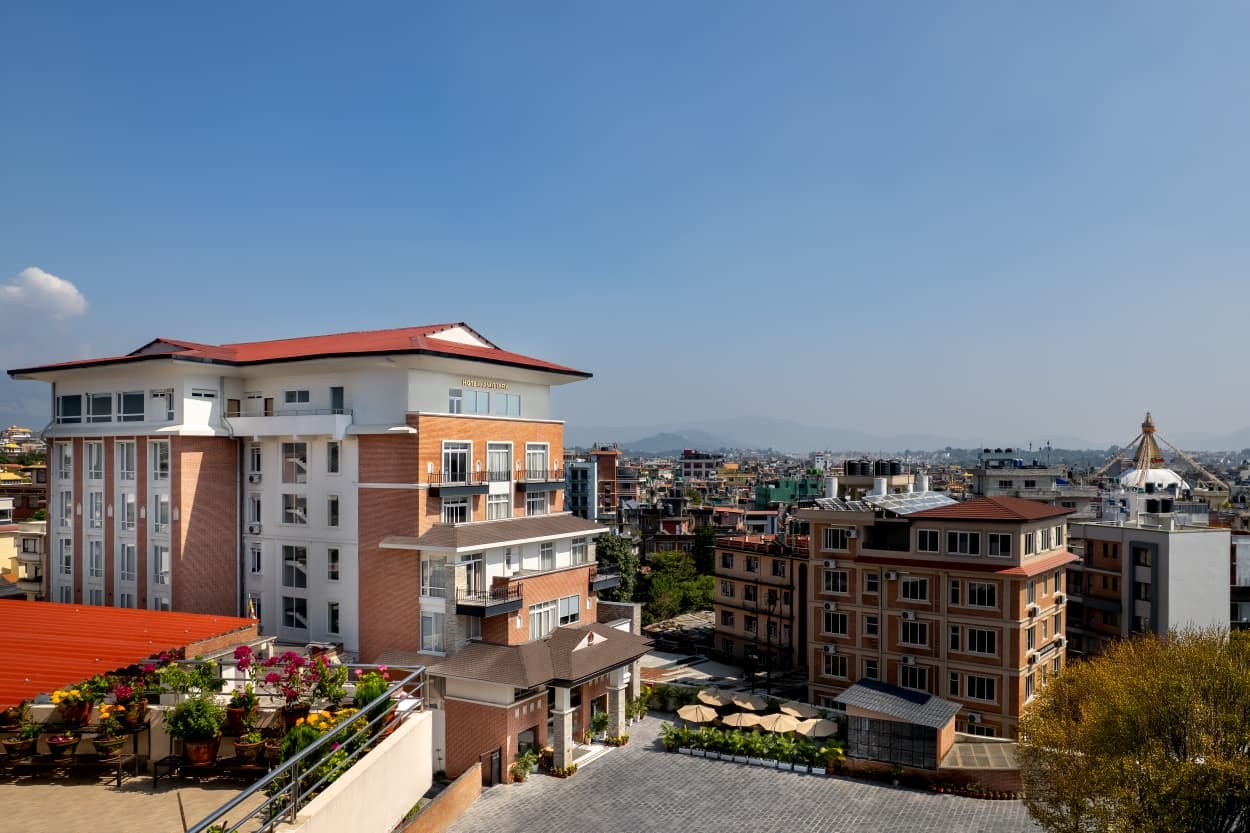
Arrival in kathmandu nepal and our Pure Sherpa representative will welcome you at Kathmandu airport and transfer to your hotel the rest of time, you will investigate this captivating Kathmandu city at evening our guide will visit you to concise direction about the trek. You can do the shopping and purchase your vital trekking riggings close to the city. Finally, you will meet with the gathering for an appreciated supper at a neighborhood café.
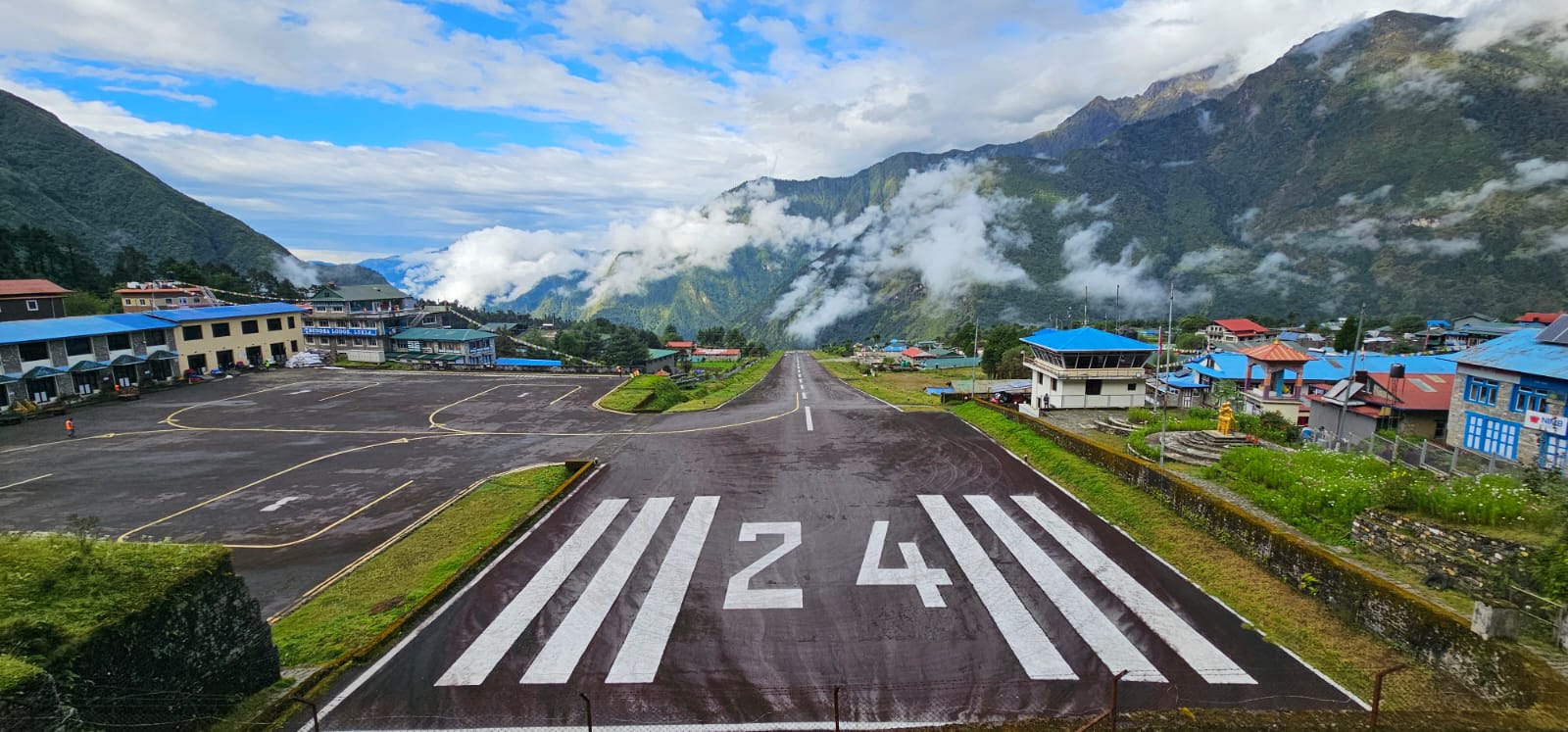
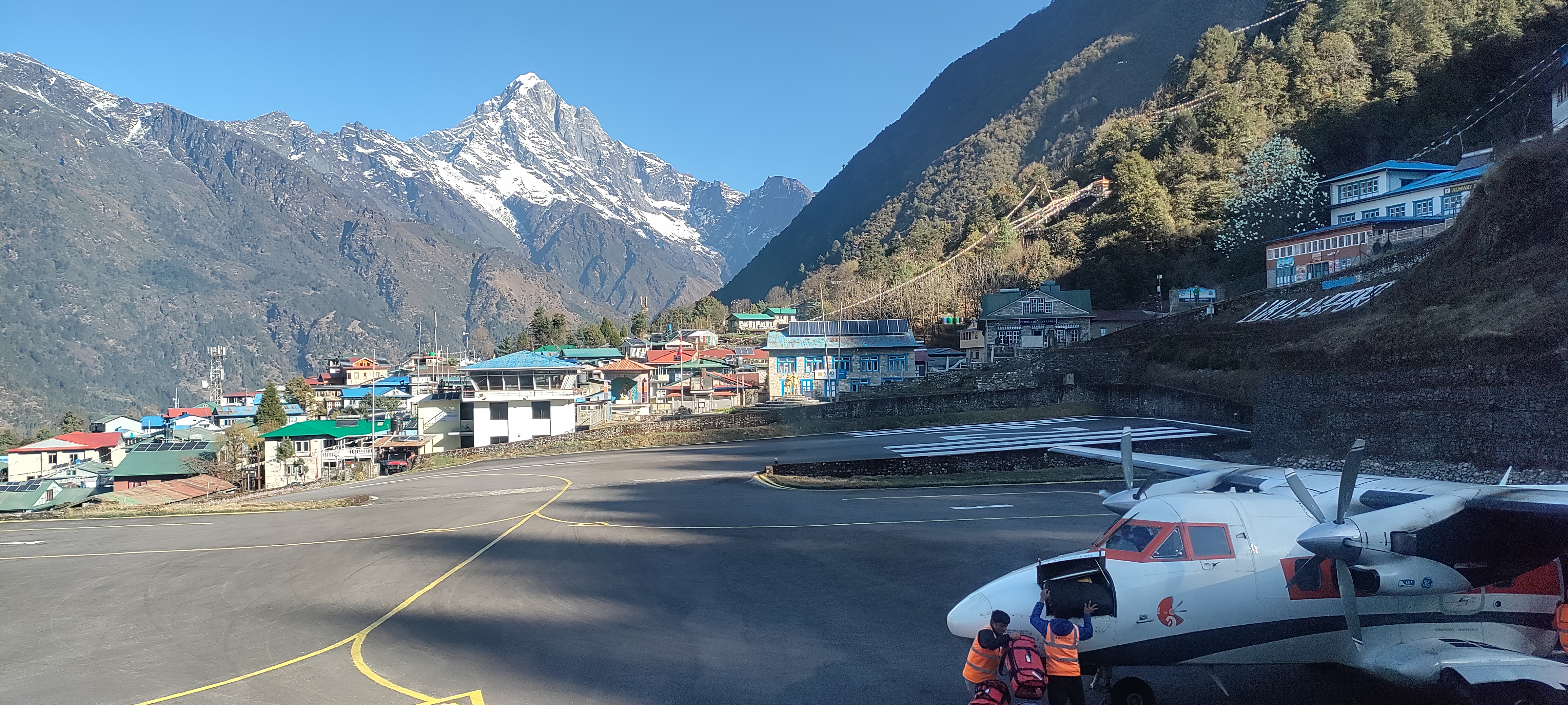
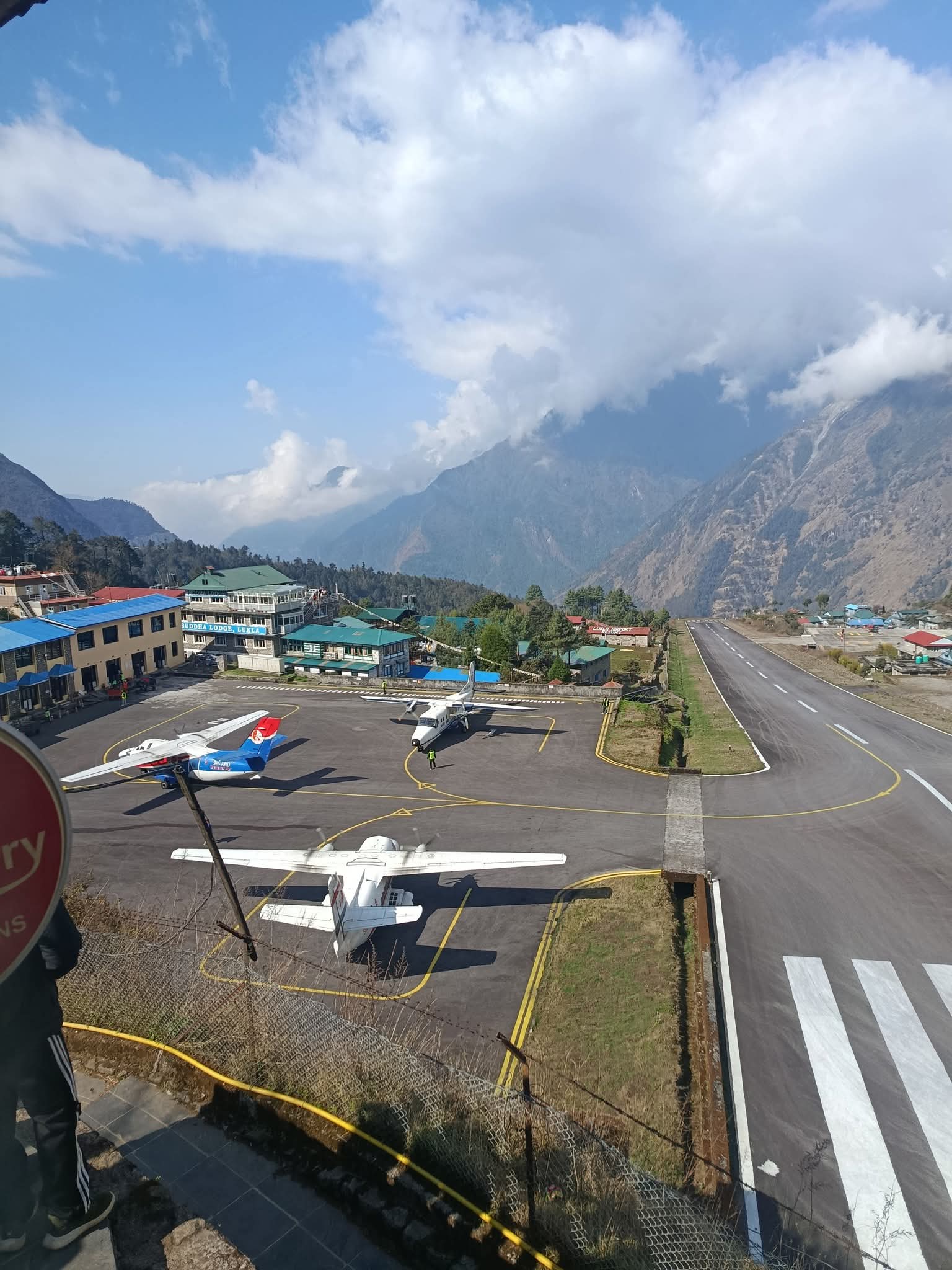
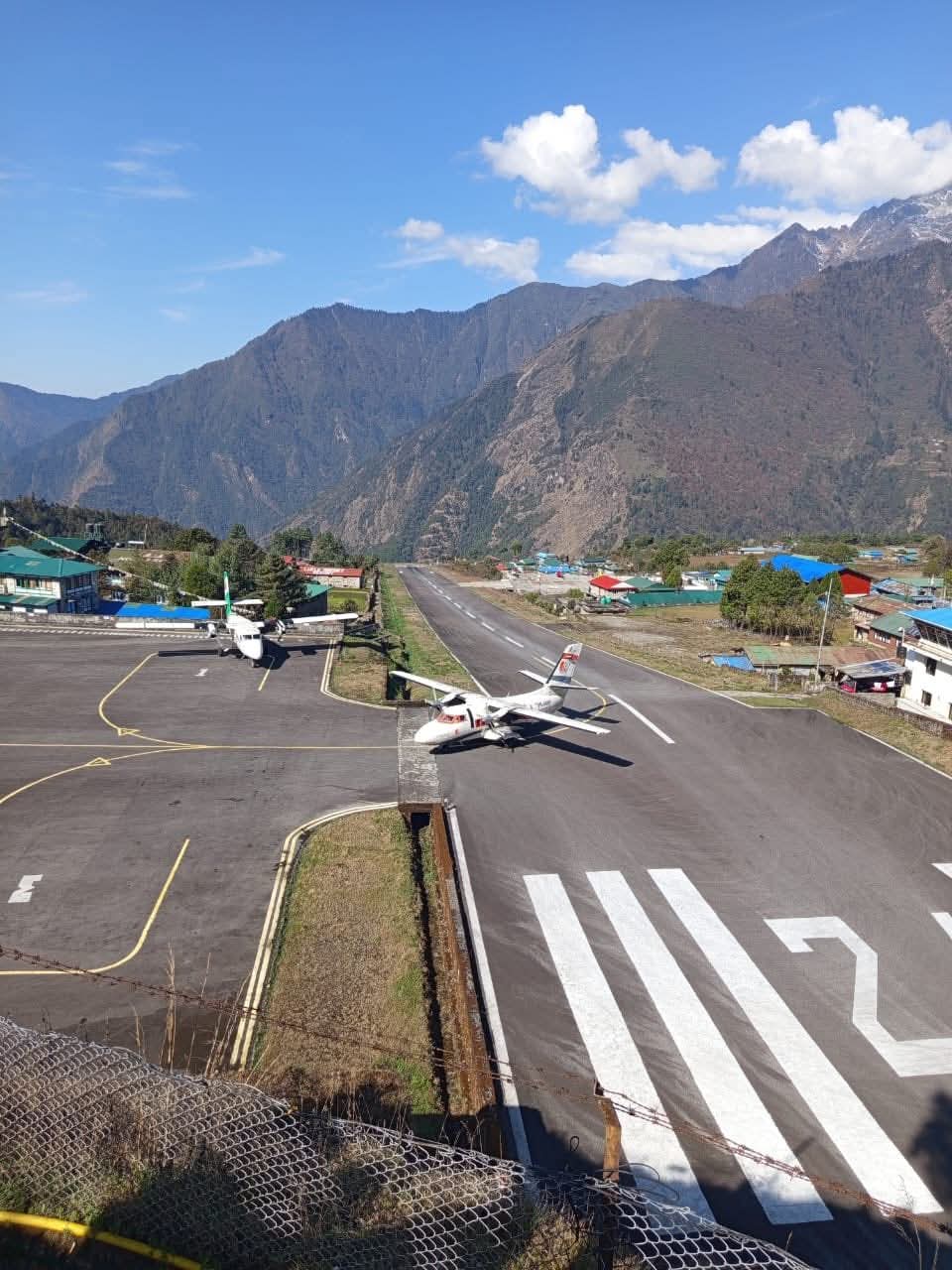
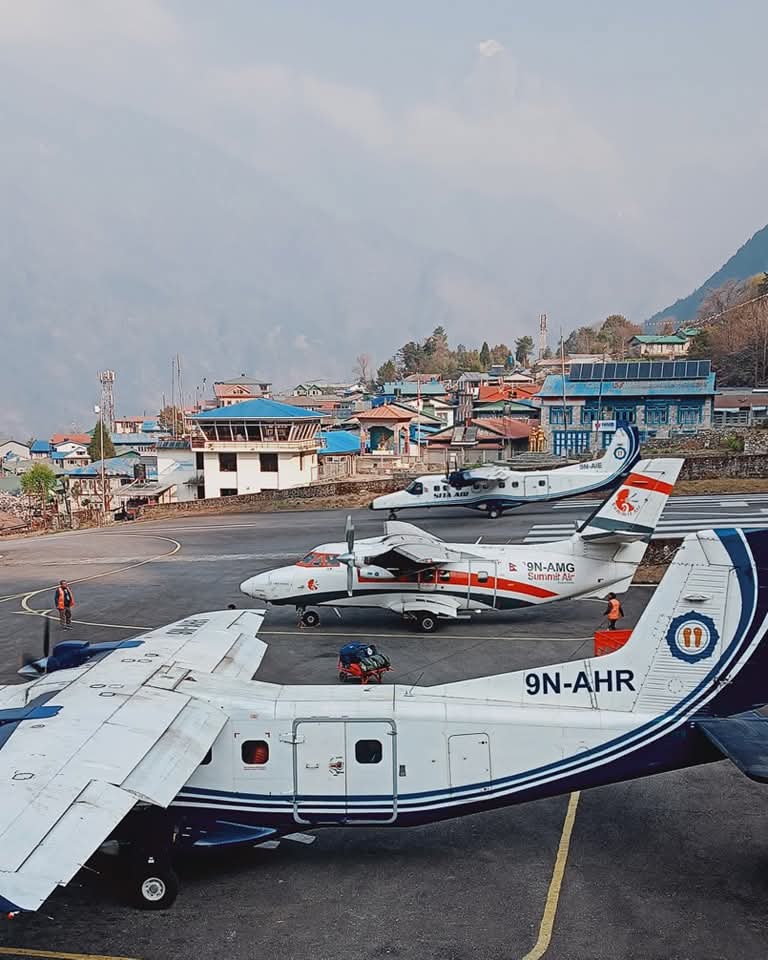
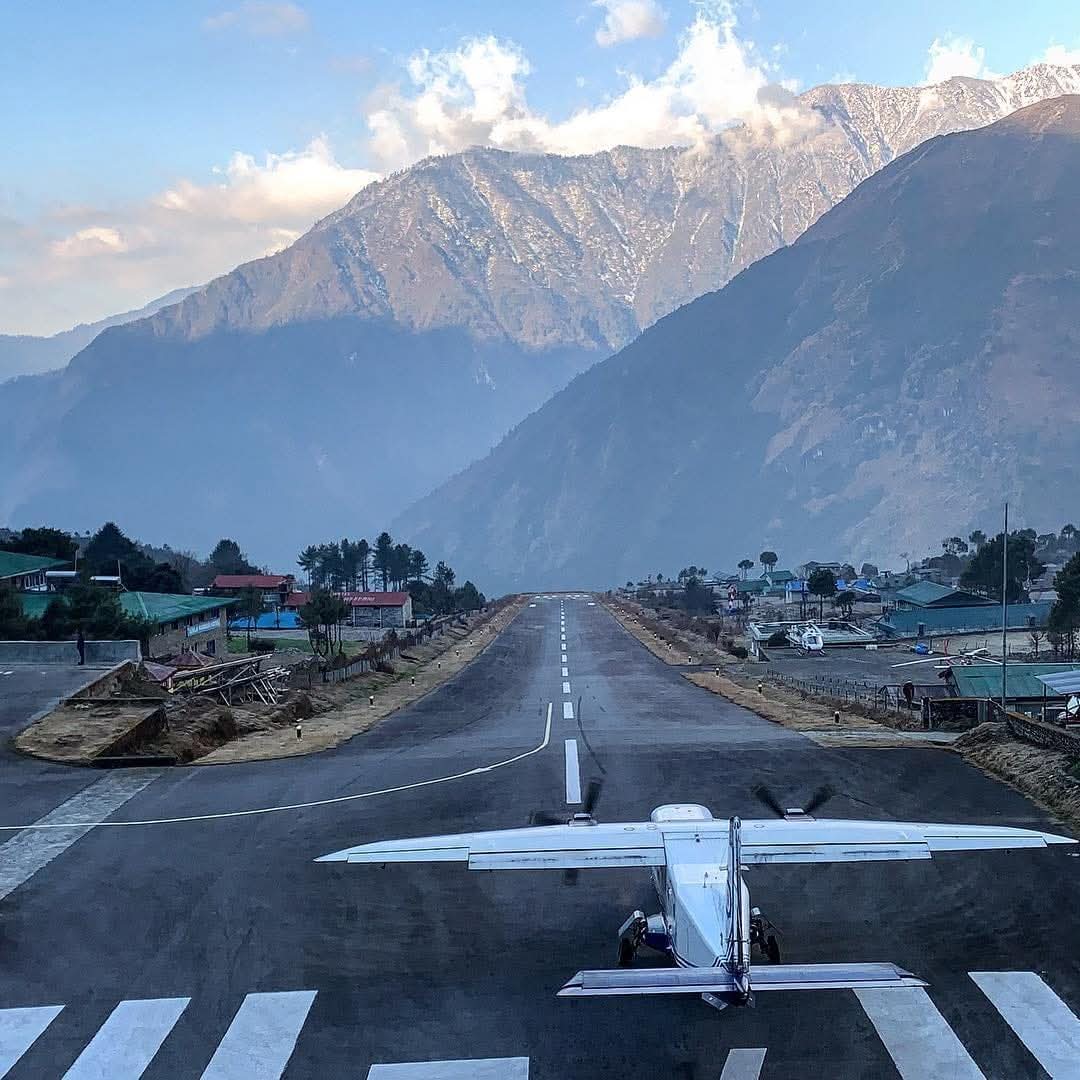
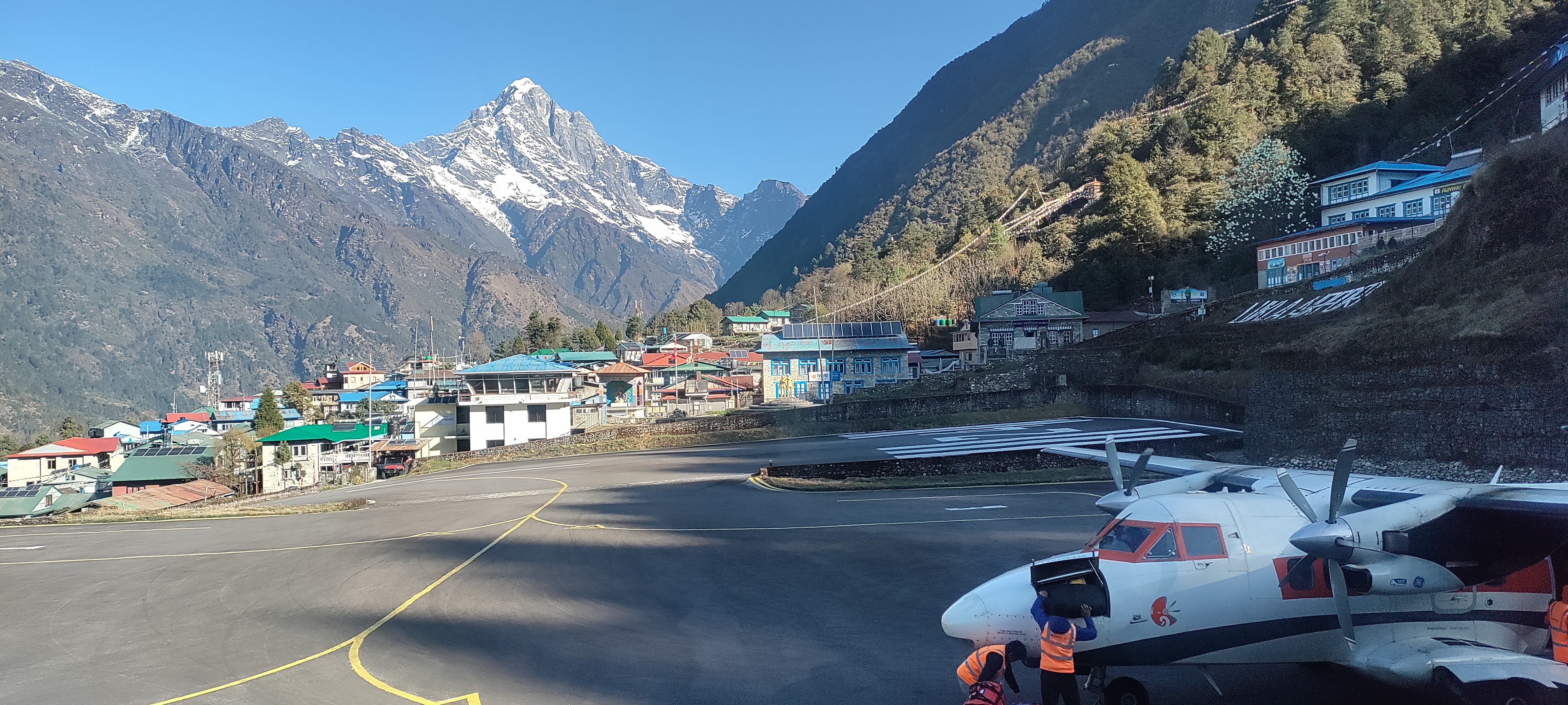
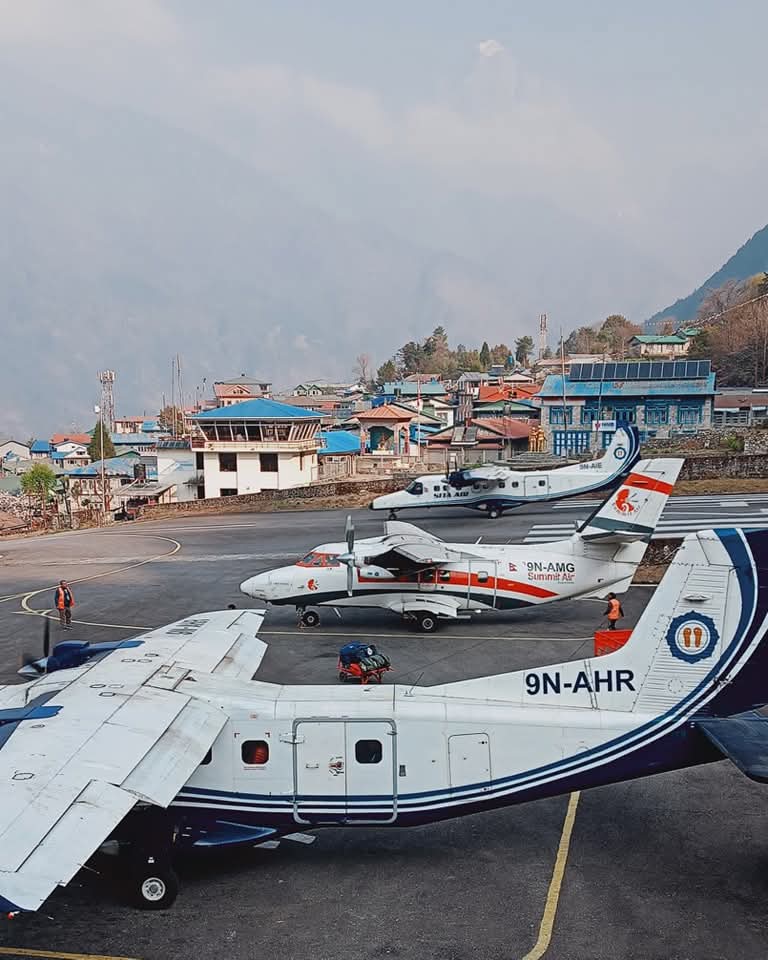
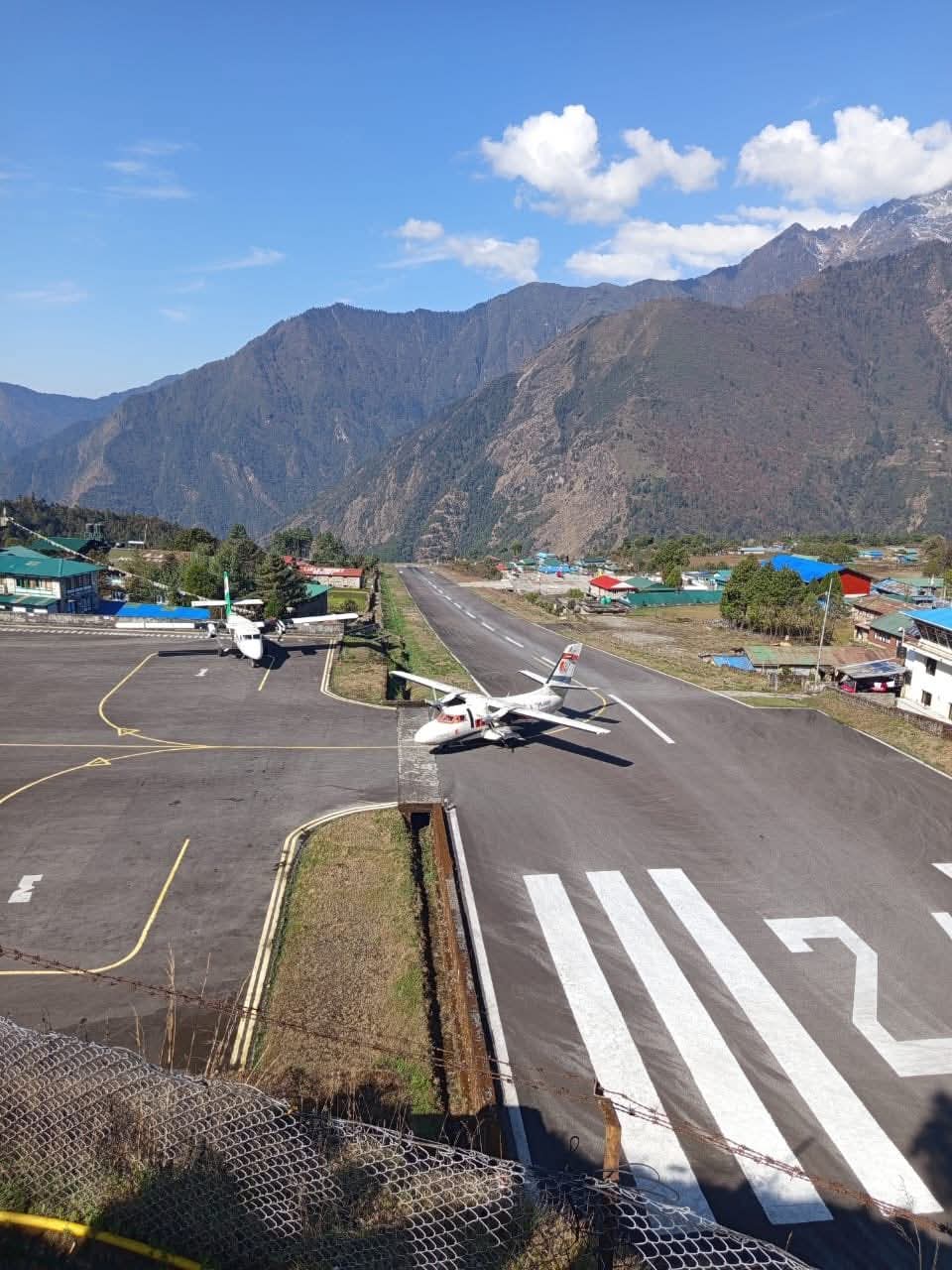
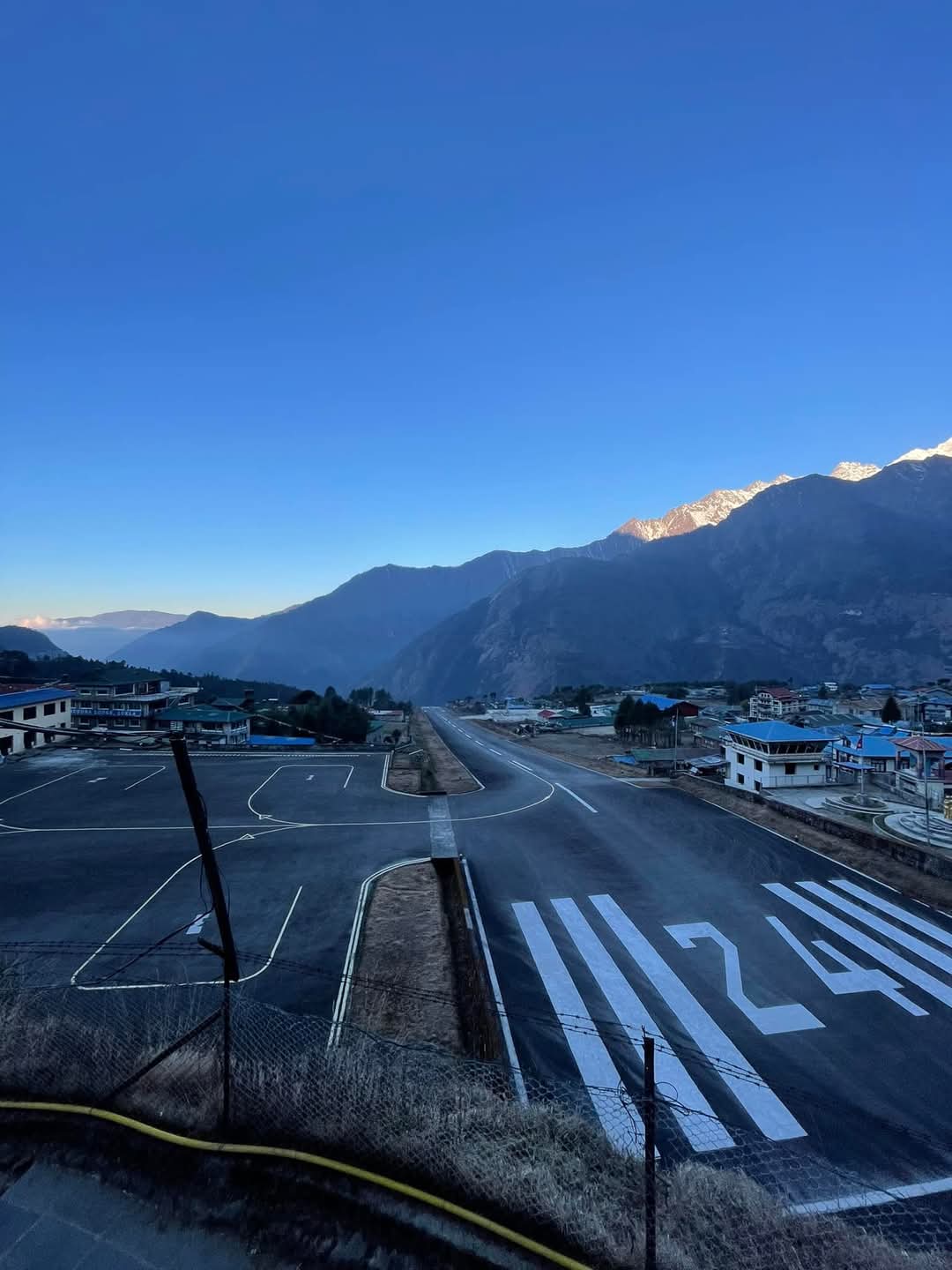
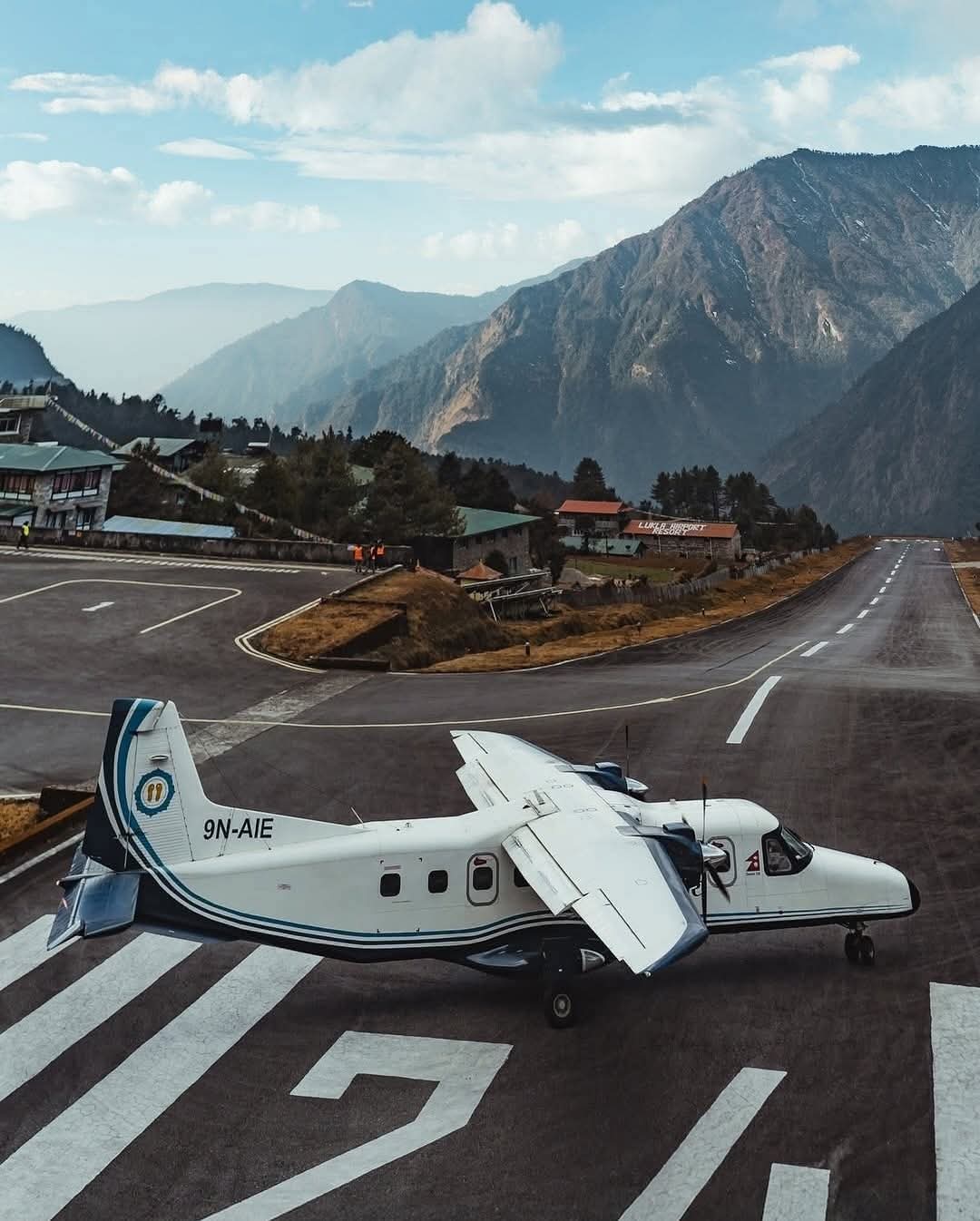
Short flight to Lukla (2840m/9320 ft (Lukla) from Kathmandu or Manthali with Breathtaking beautiful mountain departure from Kathmandu to Lukla Settlement and Trek to hike Approximately 3.5 hours to get (2610m/8560 ft) Phakding on a subsequent day, you will start your adventure with a stunning Himalayan trip to Lukla. Lukla is a community roosted on a mountainside and has an air terminal with a solitary runway. After this picturesque flight, you will again set off through blossoming rhododendrons, magnolia trees, and pine woods to (2610m/8560 ft) Phakding. When you reach Phakding, you can visit the nearby cloister. Rest of the time try to take great rest and be prepared for the genuine test ahead! You have enough choices to decide for the convenience and sustenance during the medium-term remain.
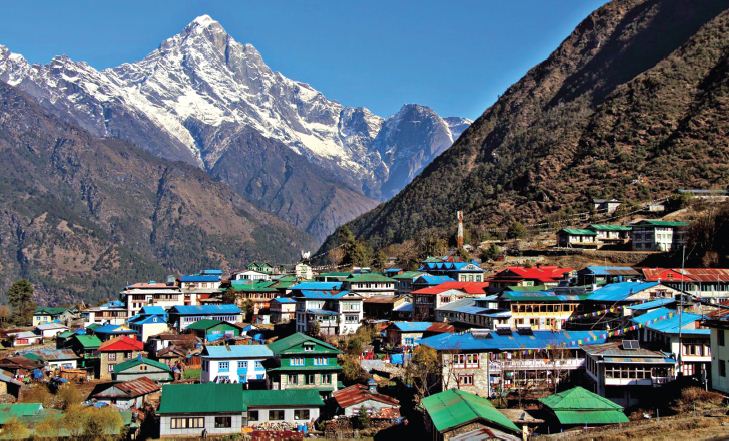
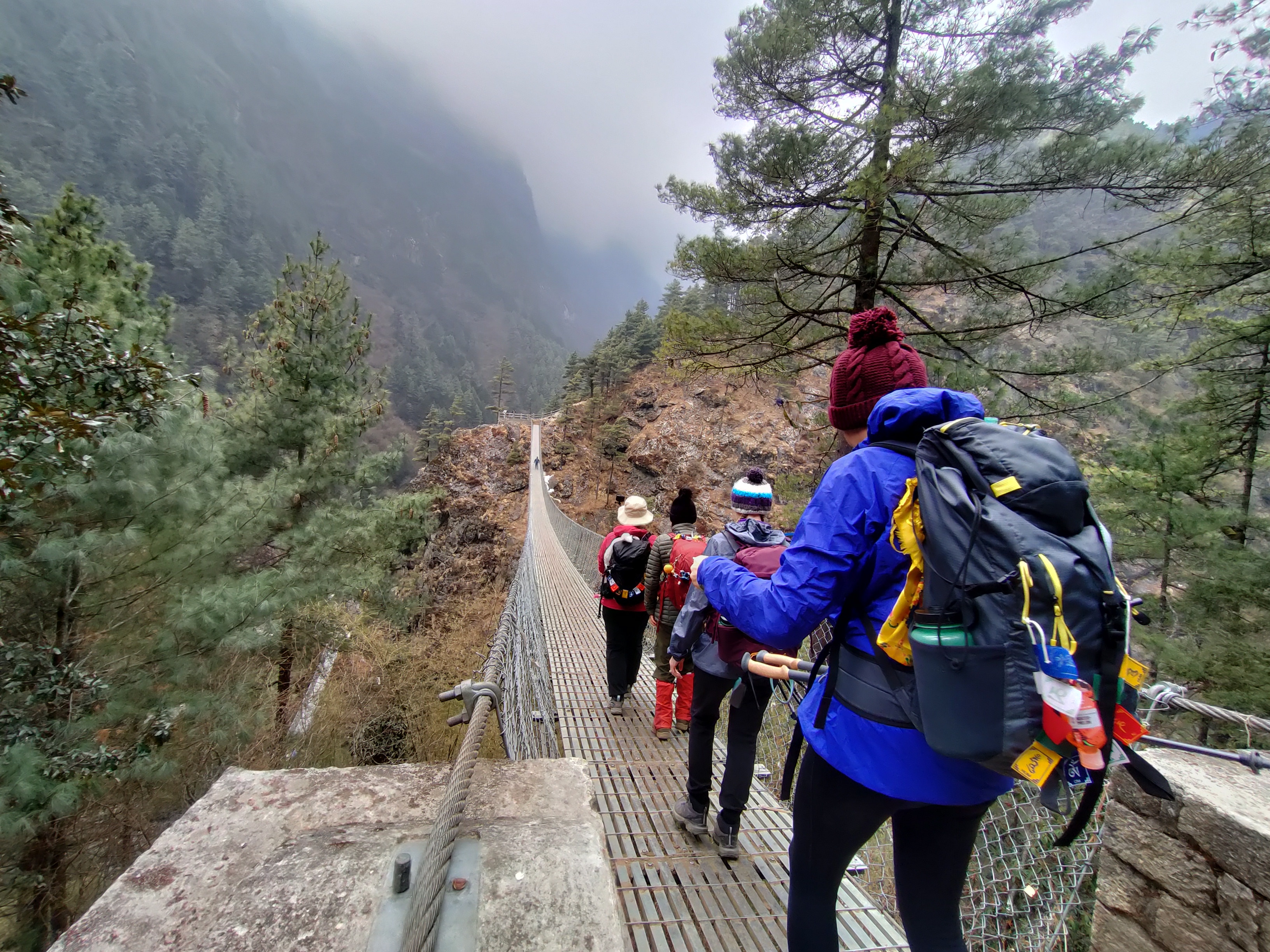
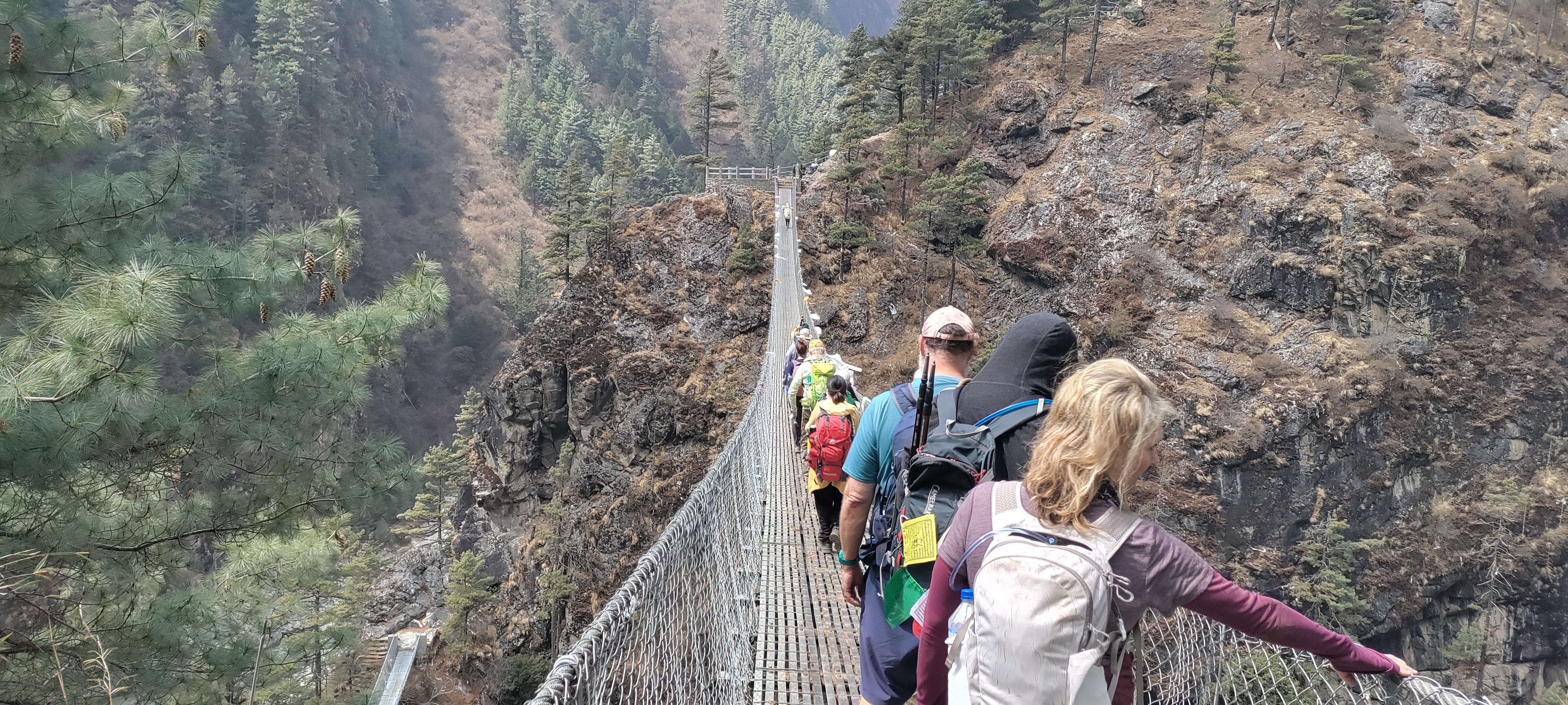
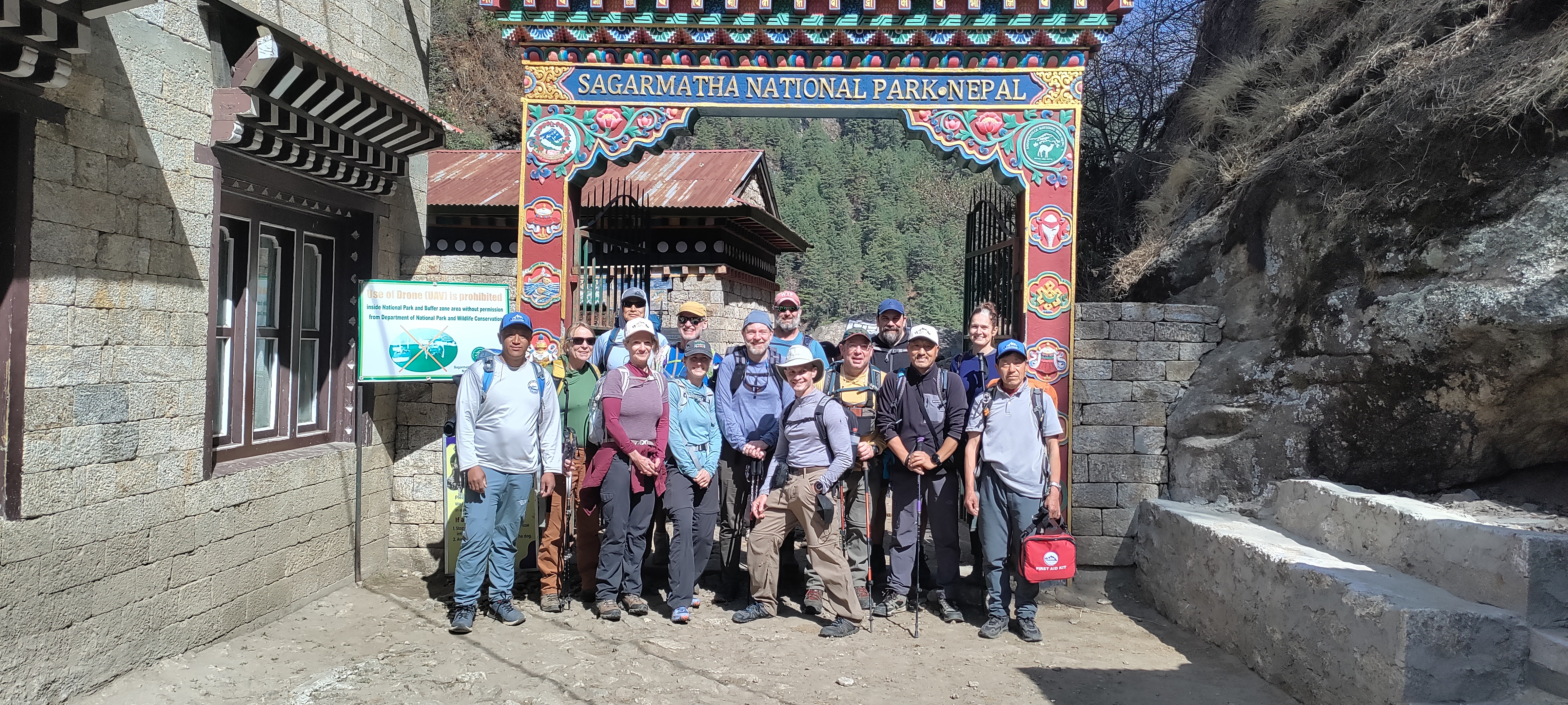
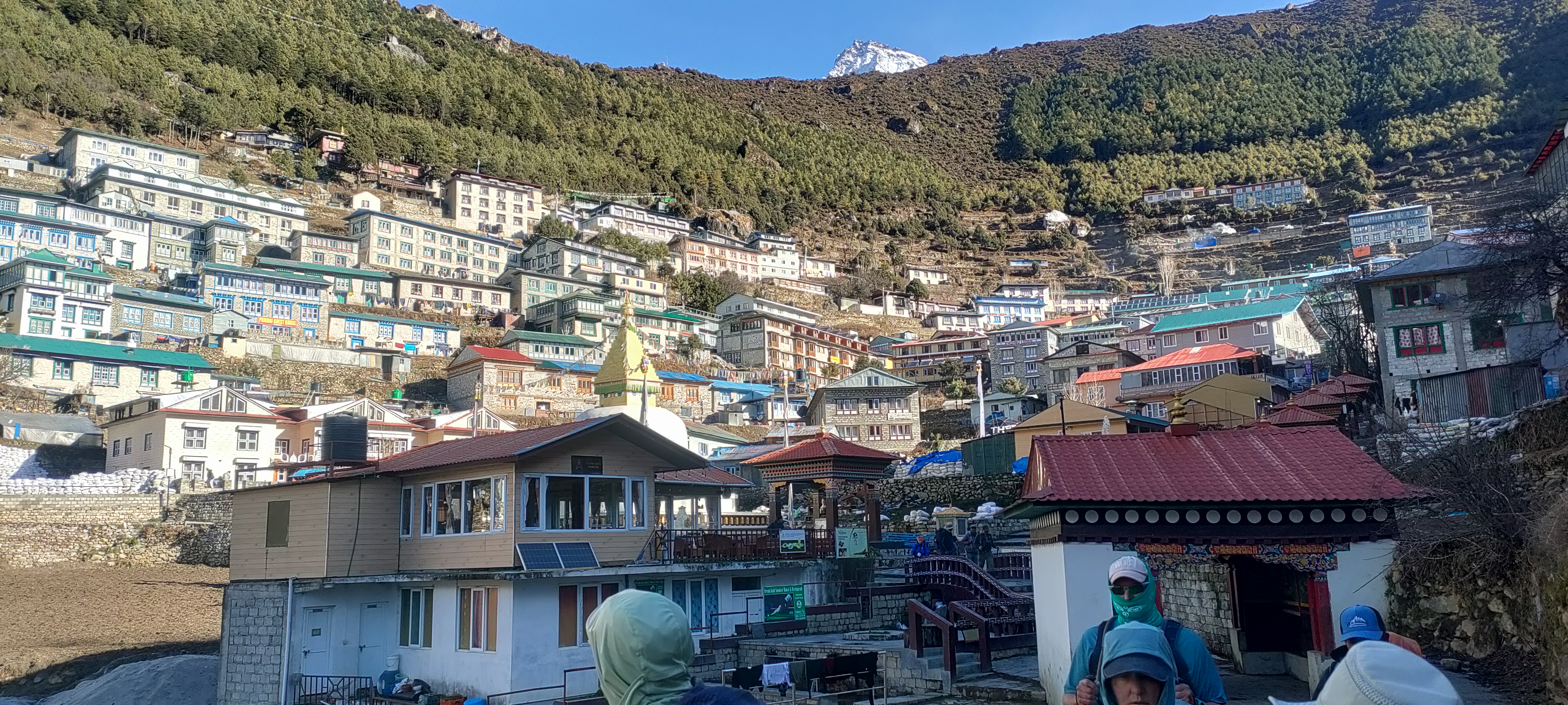
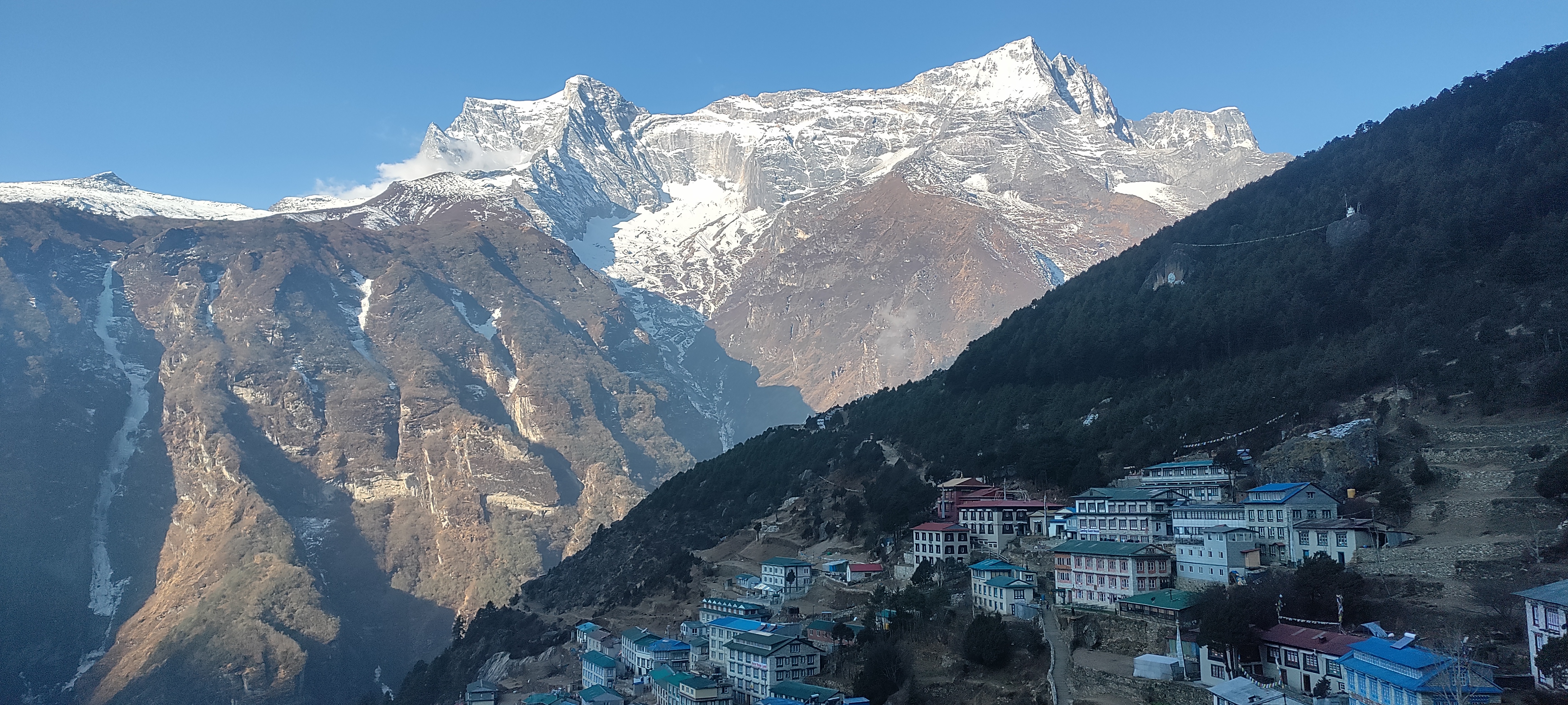
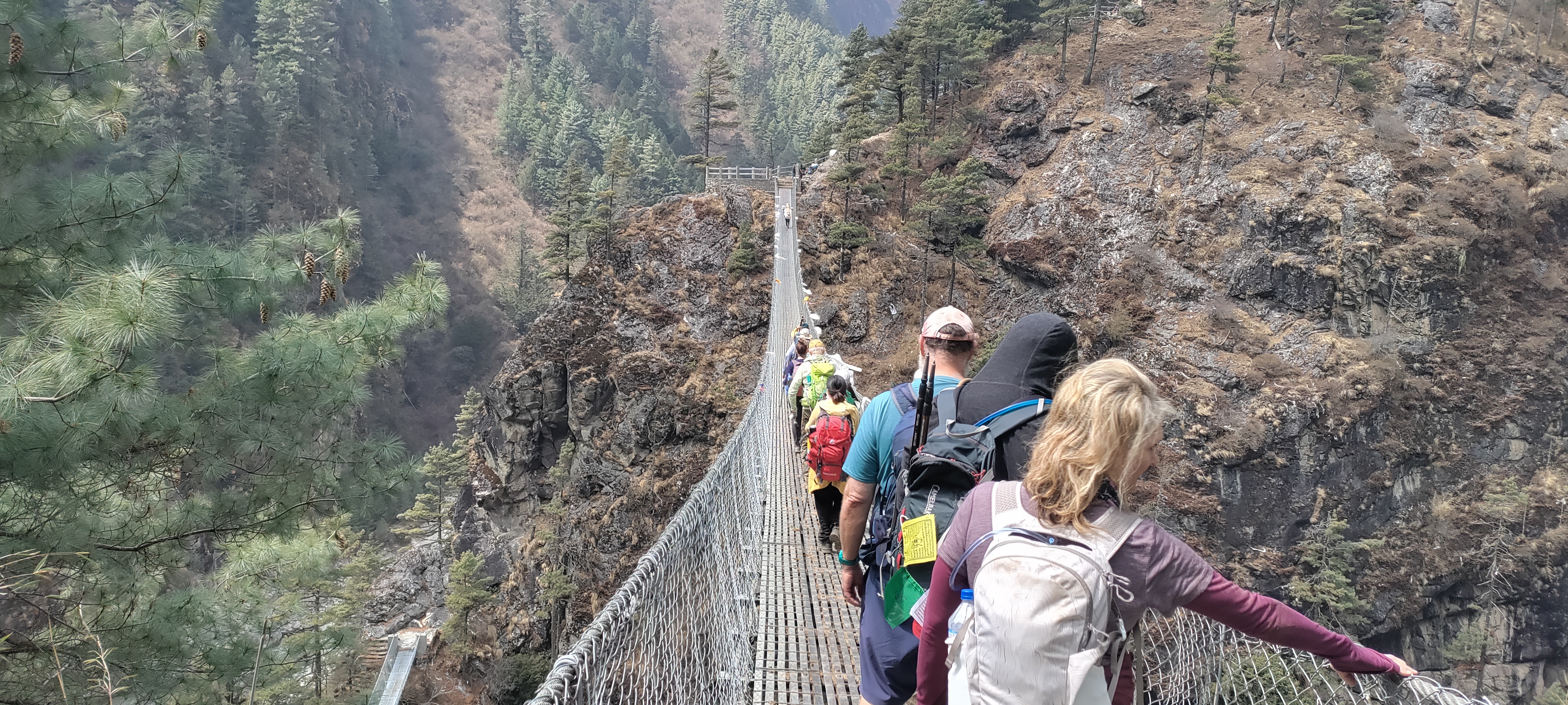
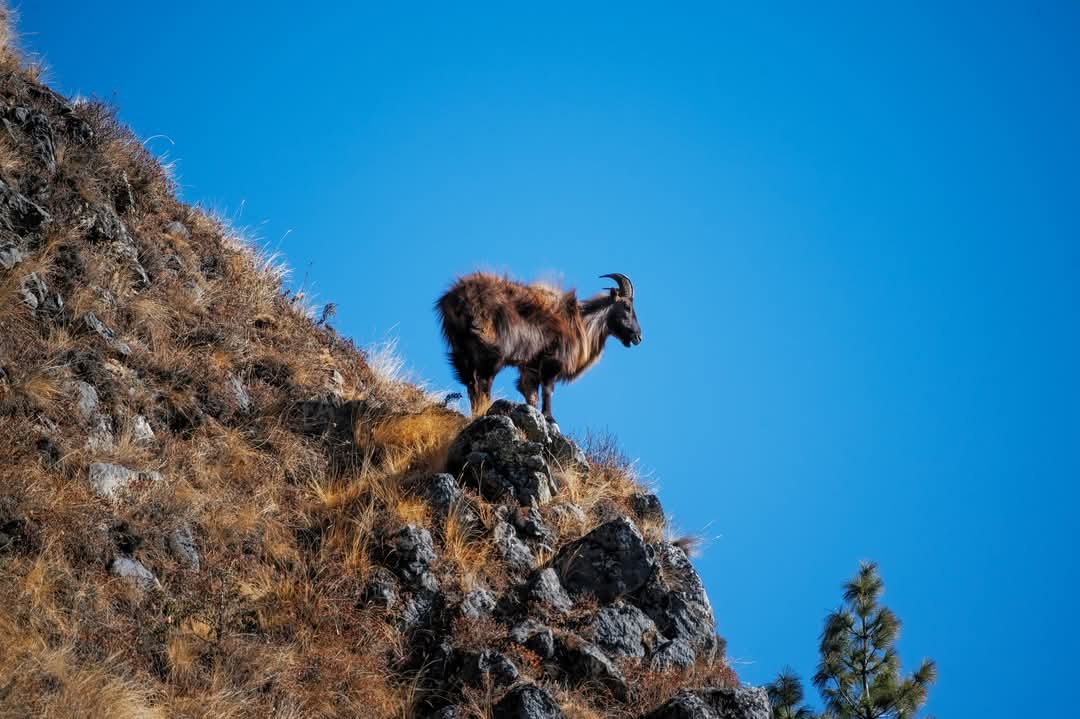
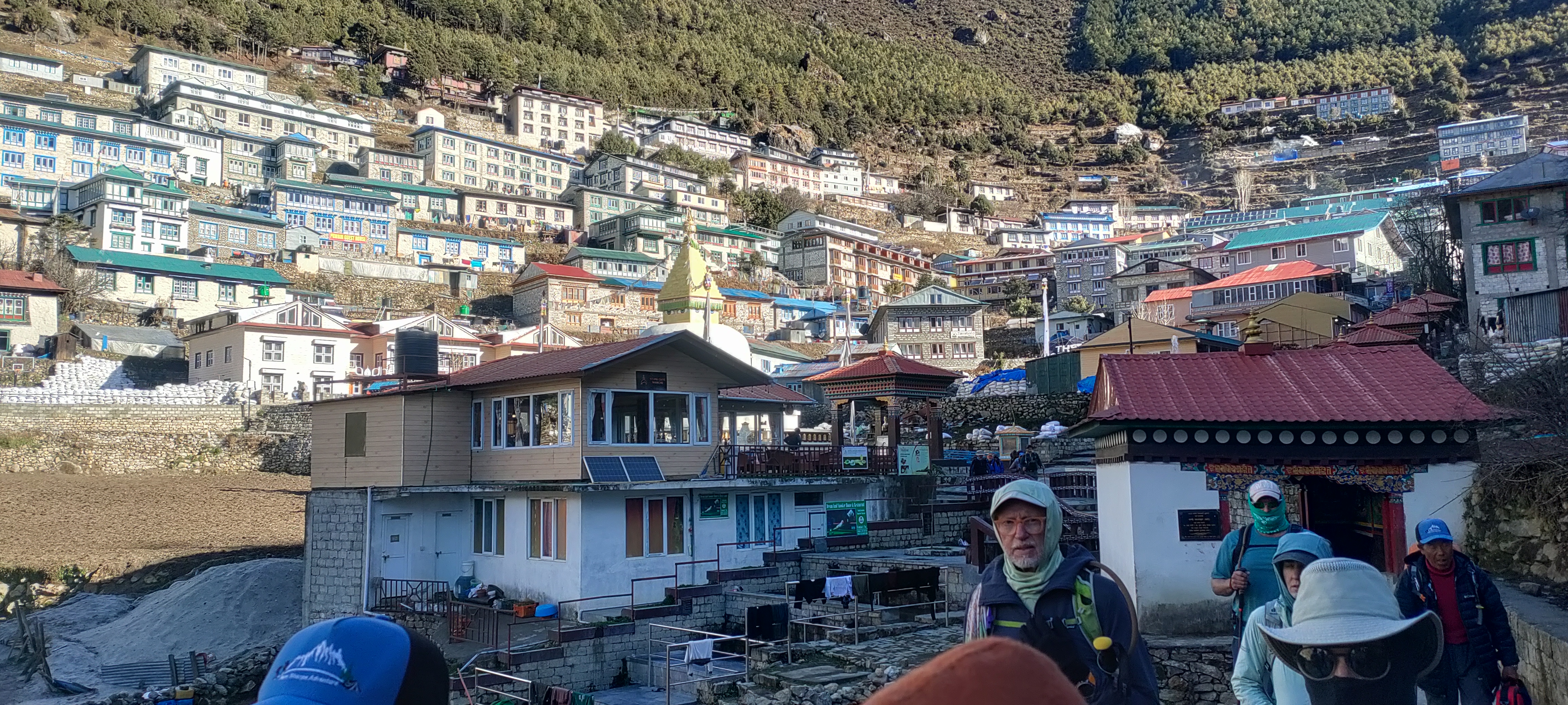
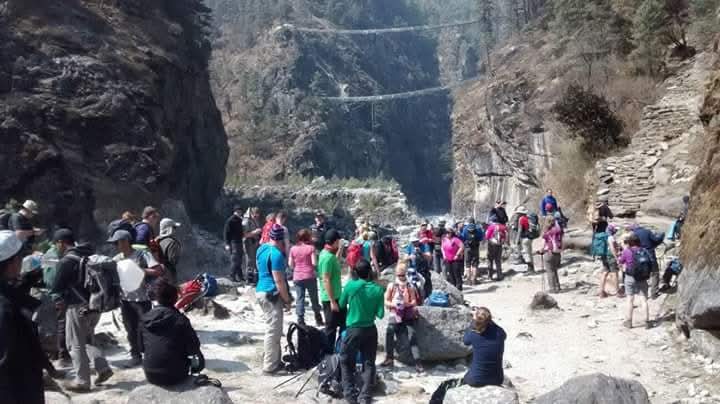
On the third day, you will drive from Phakding towards Namche Bazaar (3440 m / 11290 ft). The trek begins with a hike using the scenic pine backwoods along the Doodh Koshi waterway. Some will have to climb uphill until they reach Namche. You will cross the Hillary Suspension Bridge, named after the famous Sir Edmund Hillary. All of your hikes will be walking in the Sagarmatha National Park, where sometimes you will get a chance to see some rare wild species like the Himalayan bear, the thur, the red panda, and a few others. Appreciate the opportunity! Here you will find the main viewpoint of the mountain. After arriving at Namche market, you will rest for the evening. Also known as the Gateway to Mount Everest, Namche Bazaar is the basic exchange center of the Khumbu region. Explore Namche Bazaar, known as the Gateway to Mount Everest and the basic exchange center of the Khumbu region. Namche Bazaar can be enjoyed in the evening in the pub, as well as nice bakery cafes, and there are some banks where you can withdraw money from ATMs.
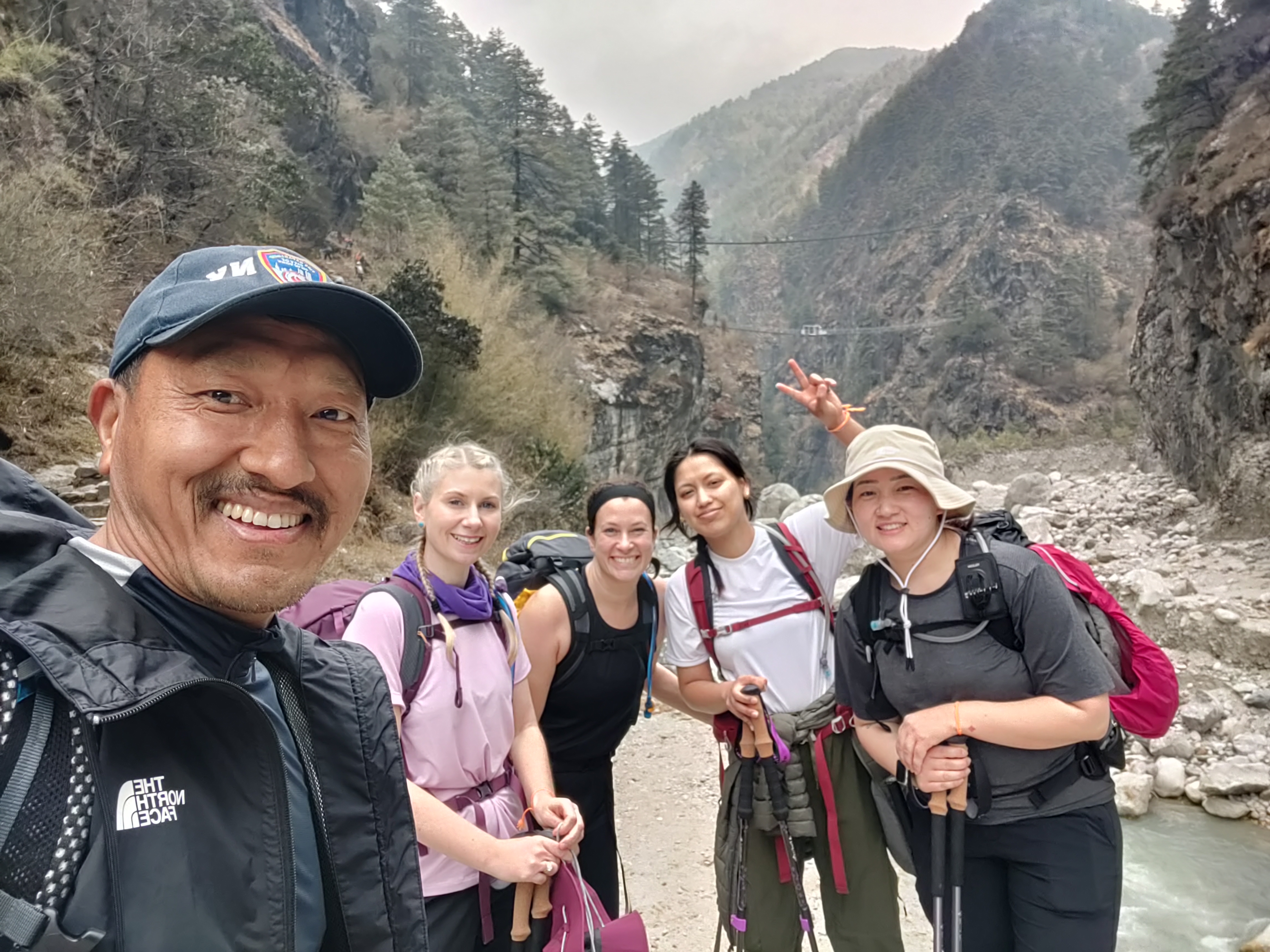
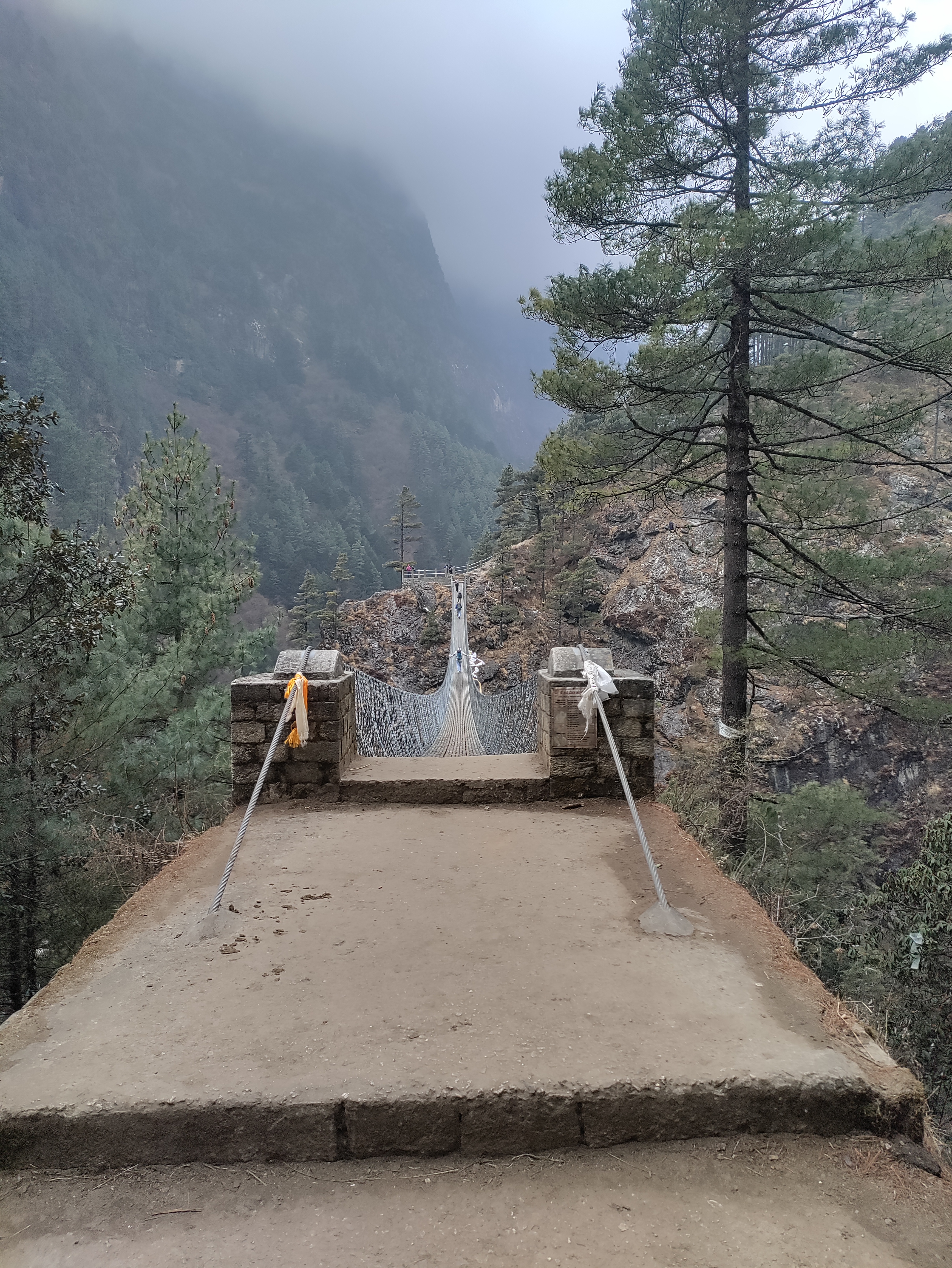
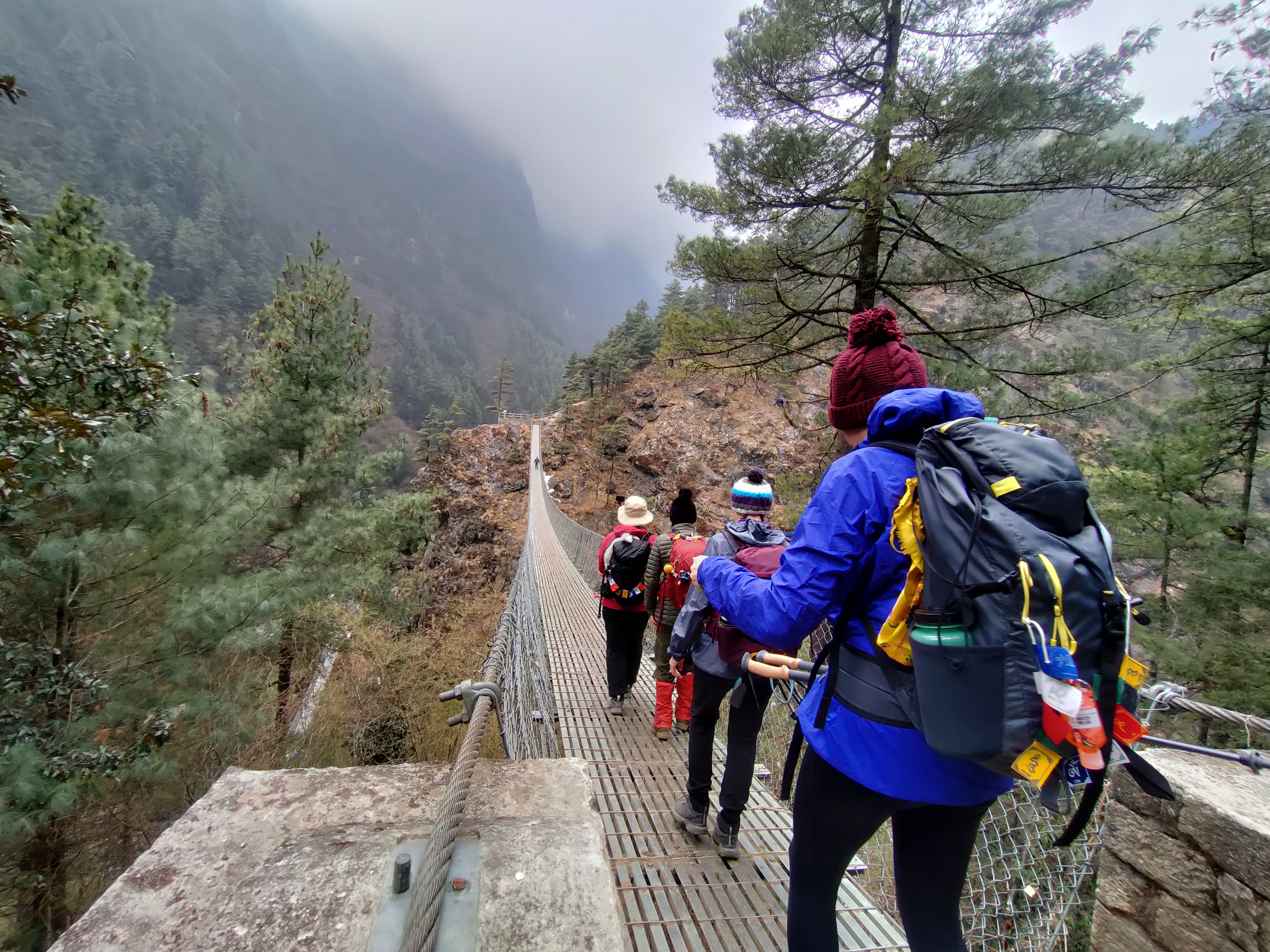
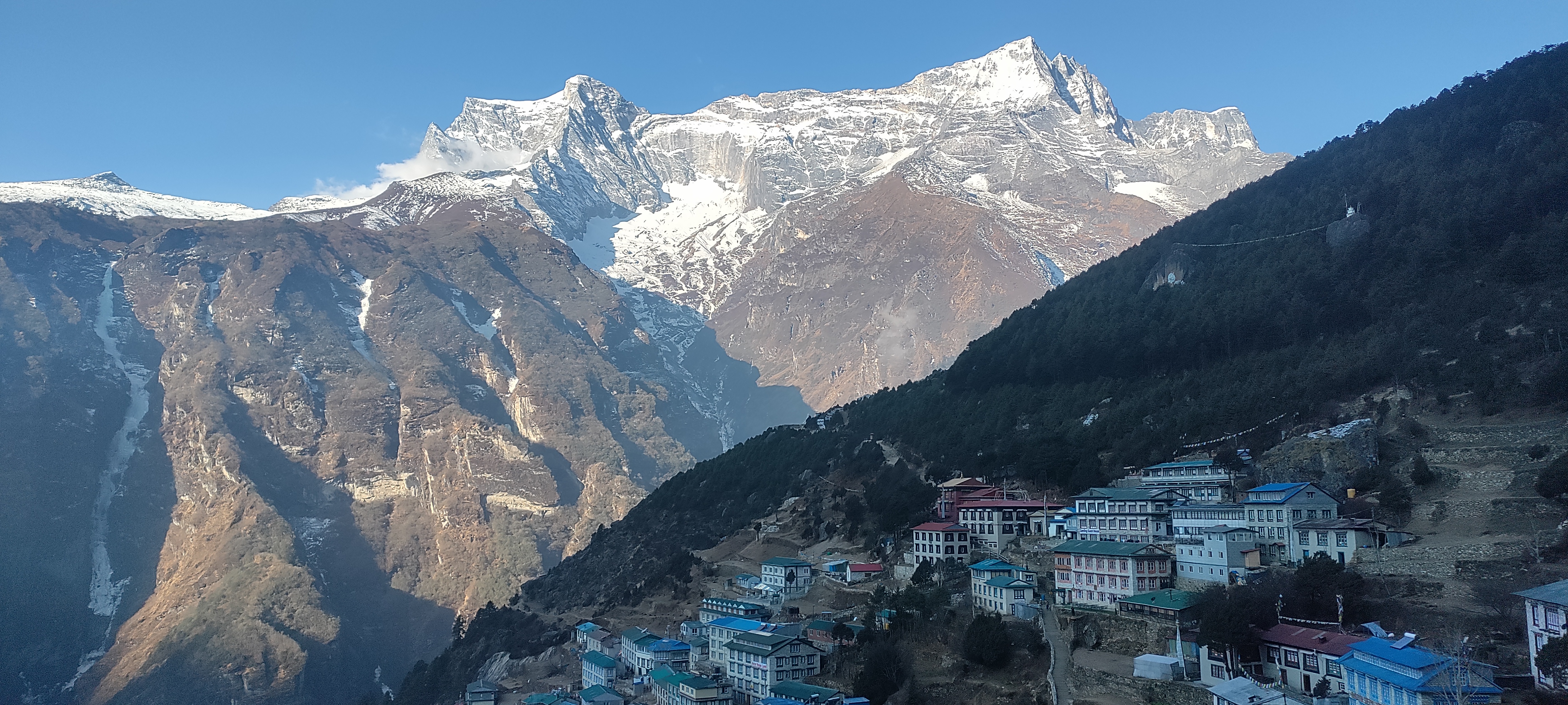
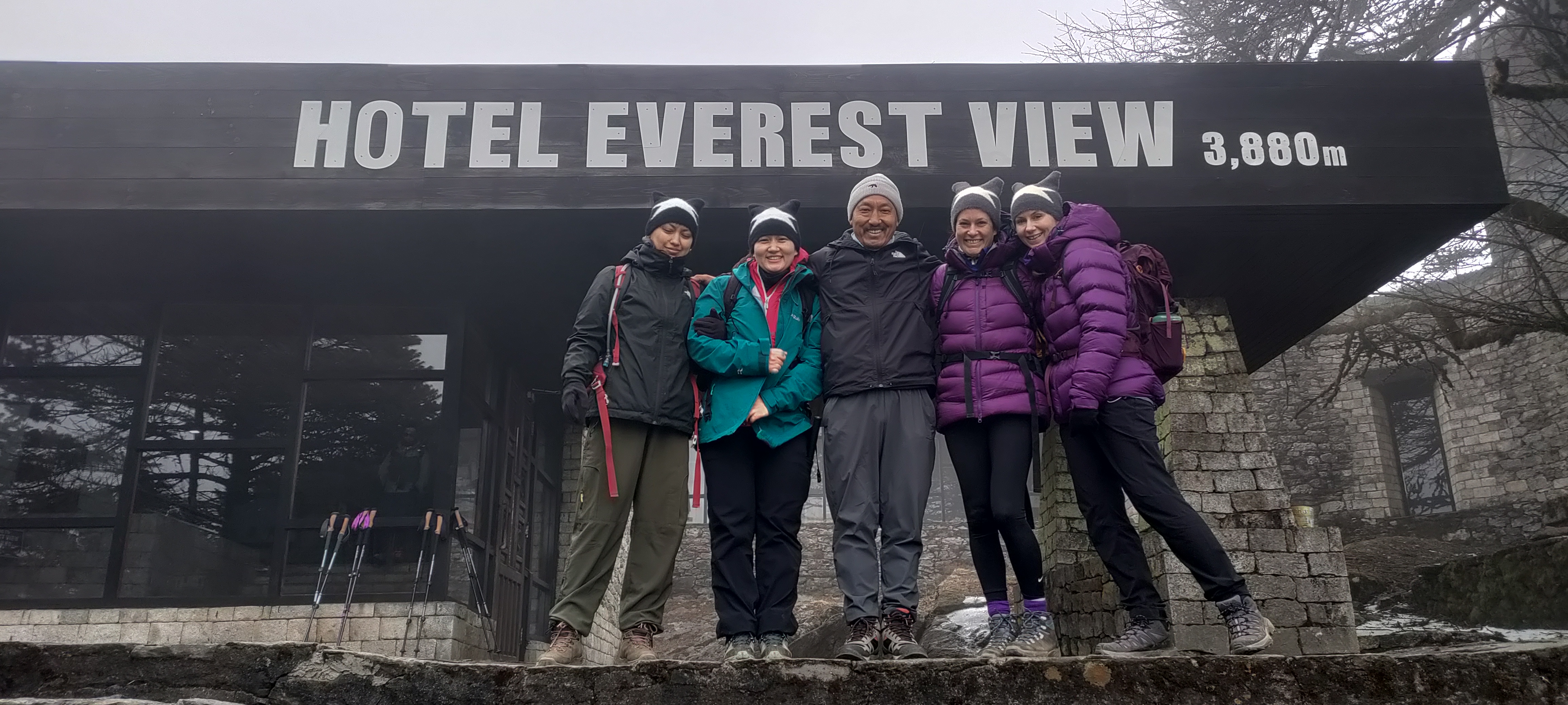
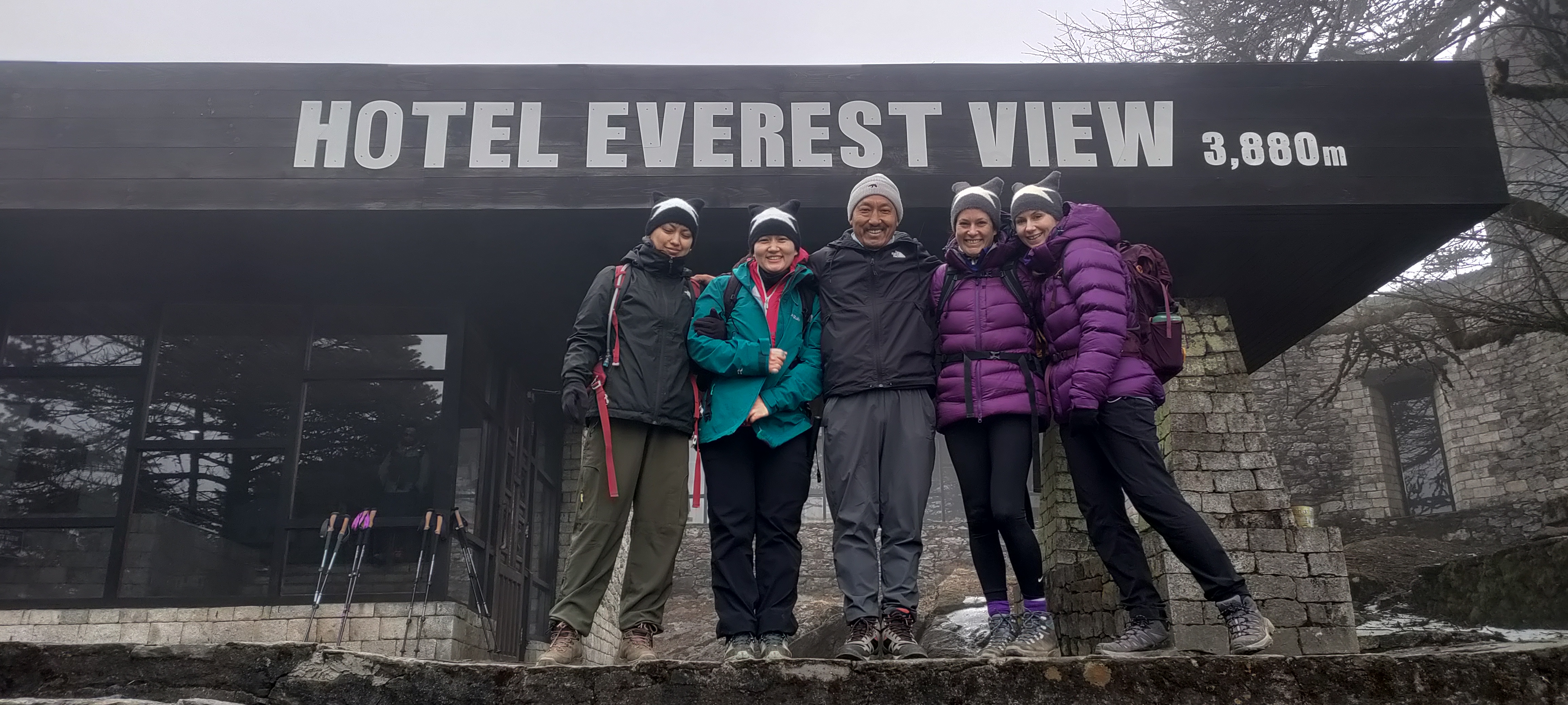
Tomorrow morning of the fourth day, you will stay at the same place and after lunch, you will go to see the view of many mountains including Sagarmatha near the Everest View Hotel. The Everest View Hotel is famous for being one of the highest-placed hotels in the world, offering panoramic views of Everest and the surrounding peaks. You will rest in Namche. But there will be no rest. You will get a chance to change your body height. You should also follow the instruction "Climb high and rest at the bottom." To adapt to higher altitudes, you have to climb to higher altitudes and then come to rest at lower altitudes. In an effort to adapt, you will take a day trip to Namche Market. Here you will reach the city of Khumjung by climbing 300 meters. Likewise, you will visit some of the nearby schools and Buddhist religious community. In the same way, you will again spend your night in the Namche market.
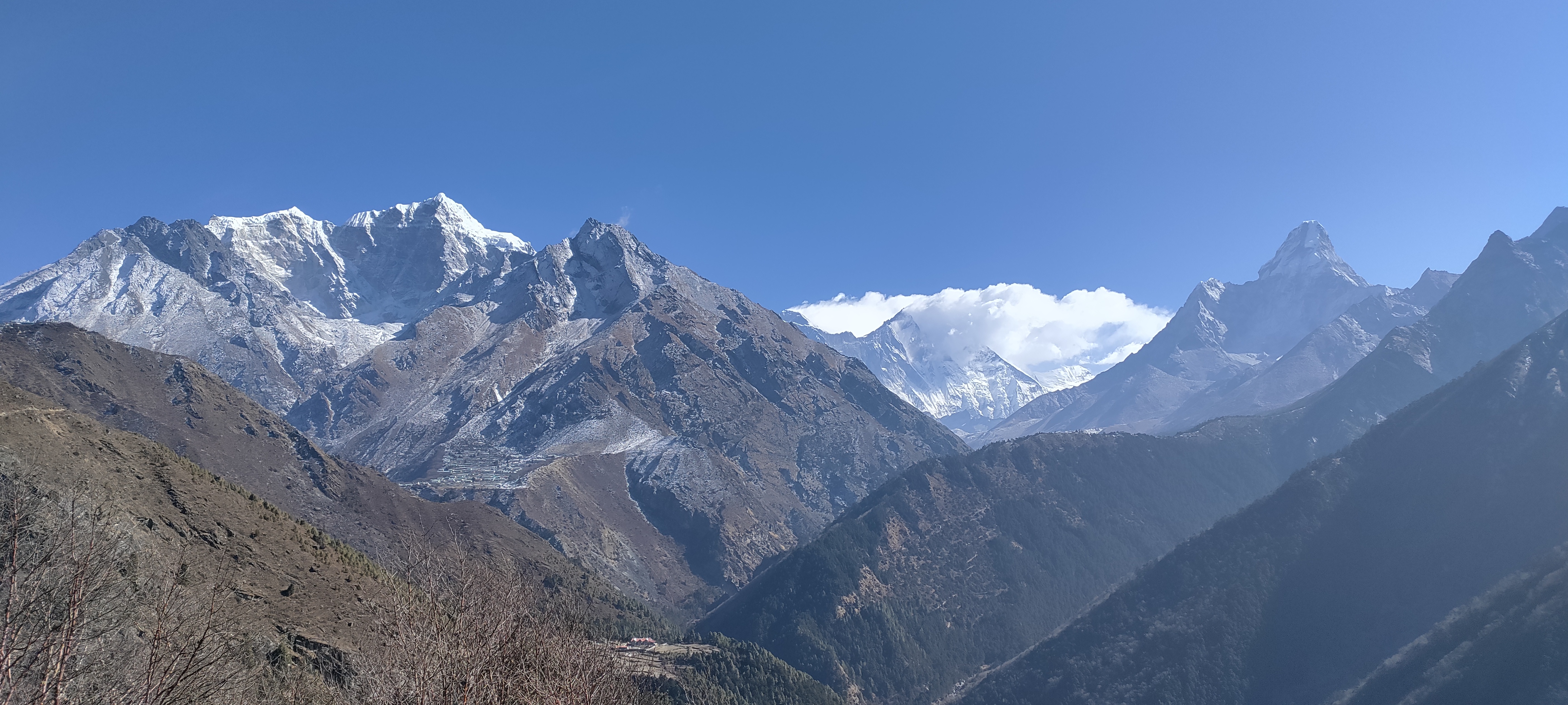
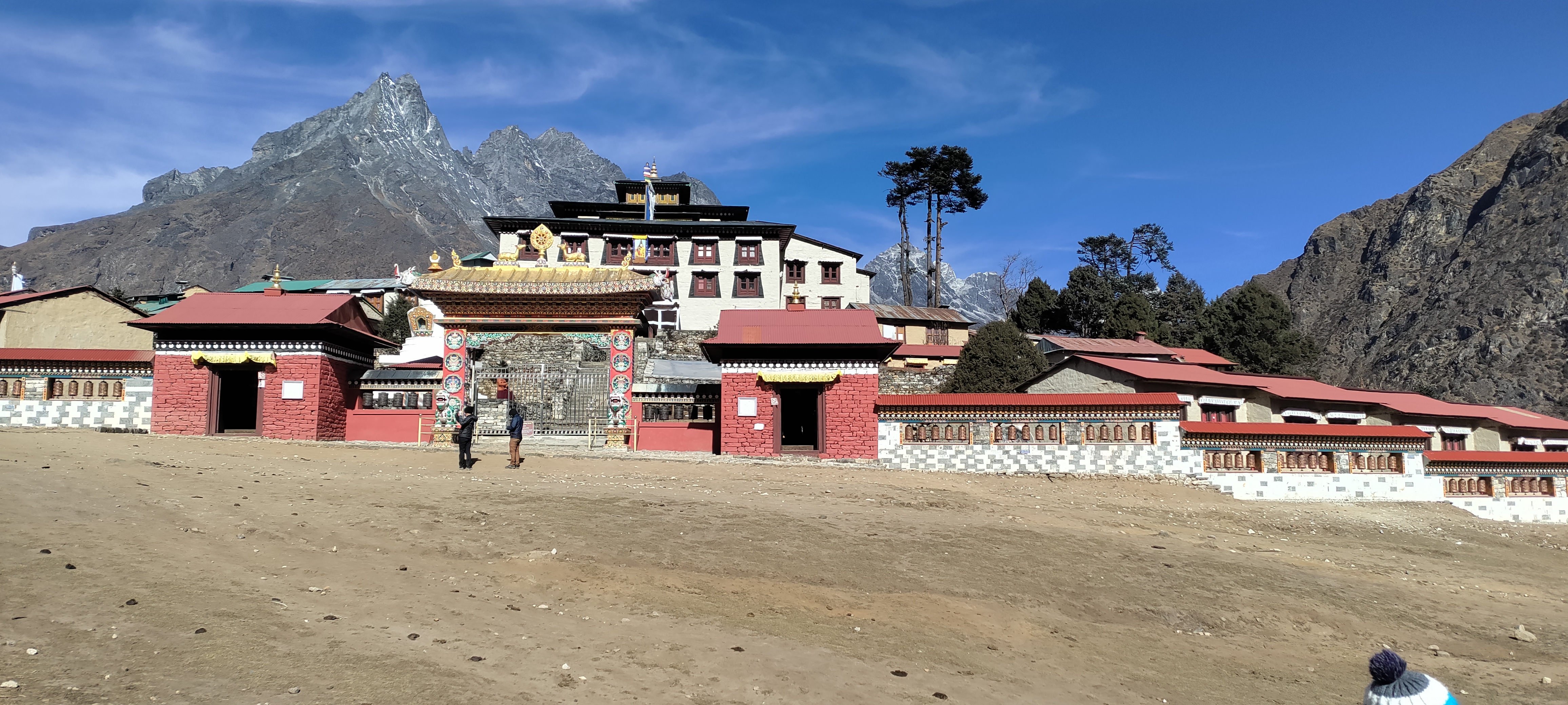
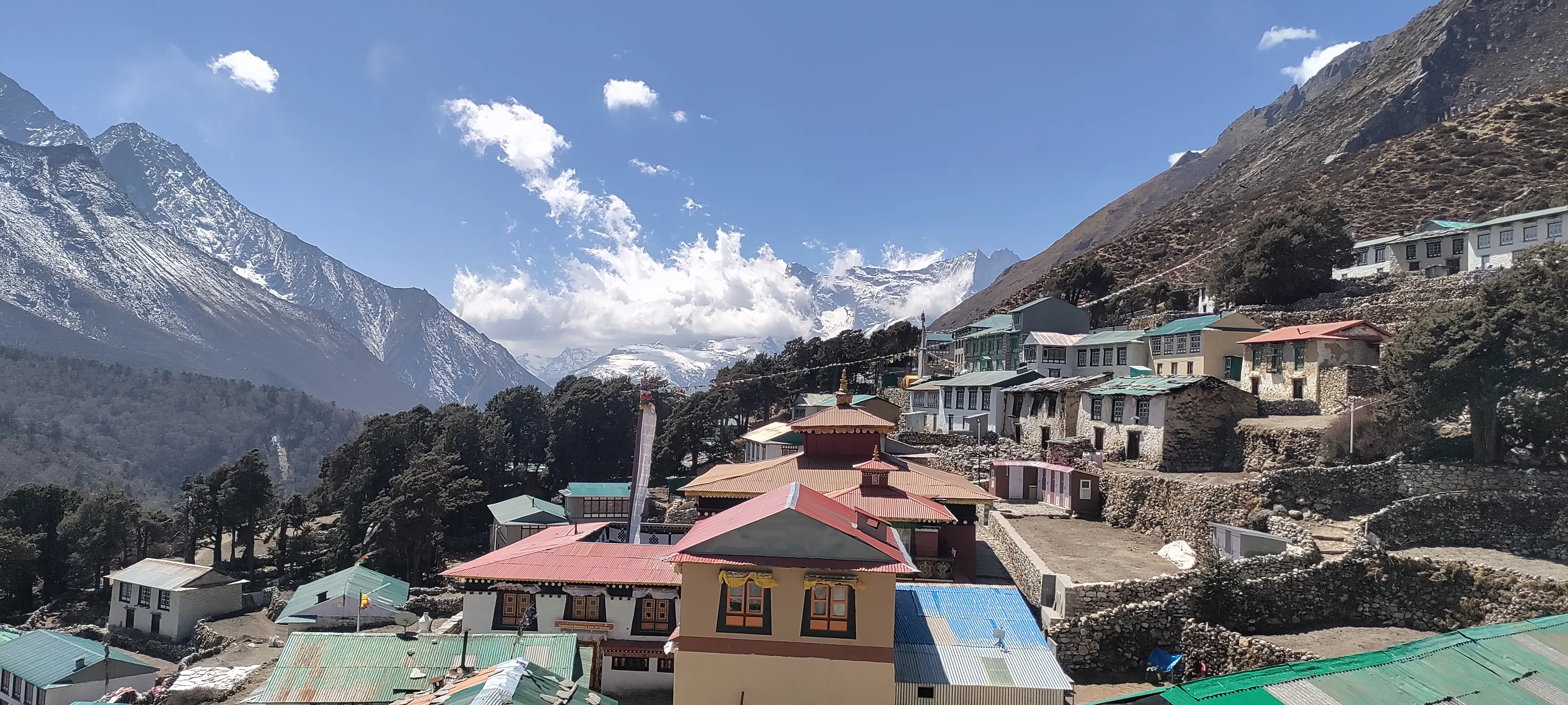
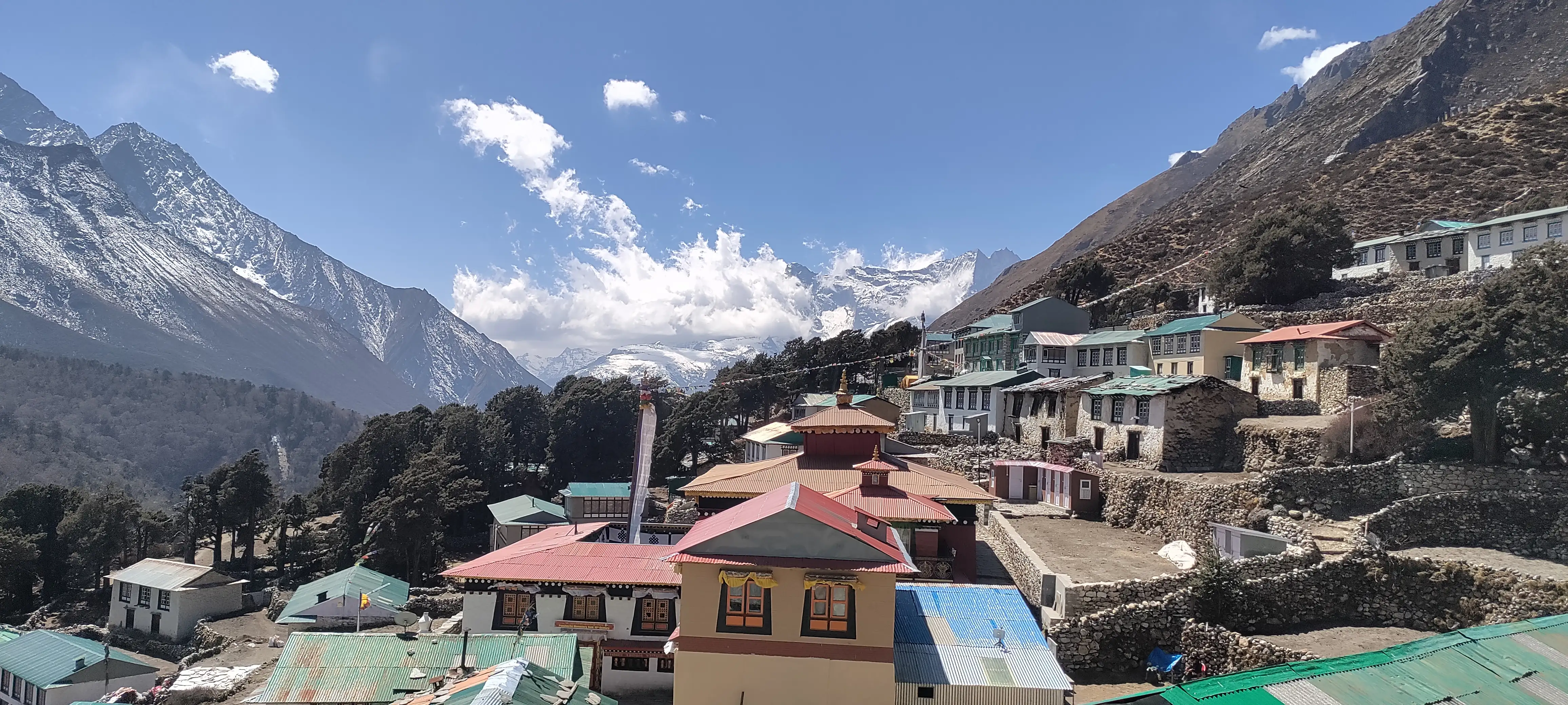
Trek starts from Namche towards Tengboche at an altitude of 3860m / 12660ft In the morning after break fast with overlooking the Mount Everest , Ama Dablam, Thamserku and many more others. Sherpas view each of these mountains as sacred mounds of the benevolent divine power of the Khumbu region. Tengboche is the largest religious heritage site in the Khumbu region, which is considered important to the Sherpa community in this area. Here you will meet mountaineers who have come to collect Blessings before climbing to the summit of Everest and others mountain . You can also read unique prayers for the well-being and achievement of a safe journey from the head lama. In addition, during the expedition season, you may also have the opportunity to welcome planners for Everest ventures. after trek aproximatly 5 to 6 hours we will get at Tengboche and the night will be at a good hotel there. about 3 o'clock in the afternoon , there is evening worship starts at the Monastery , at which time the Monastery will be opened to tourists and visitors, and at the same time we will enter to see the Monastery .
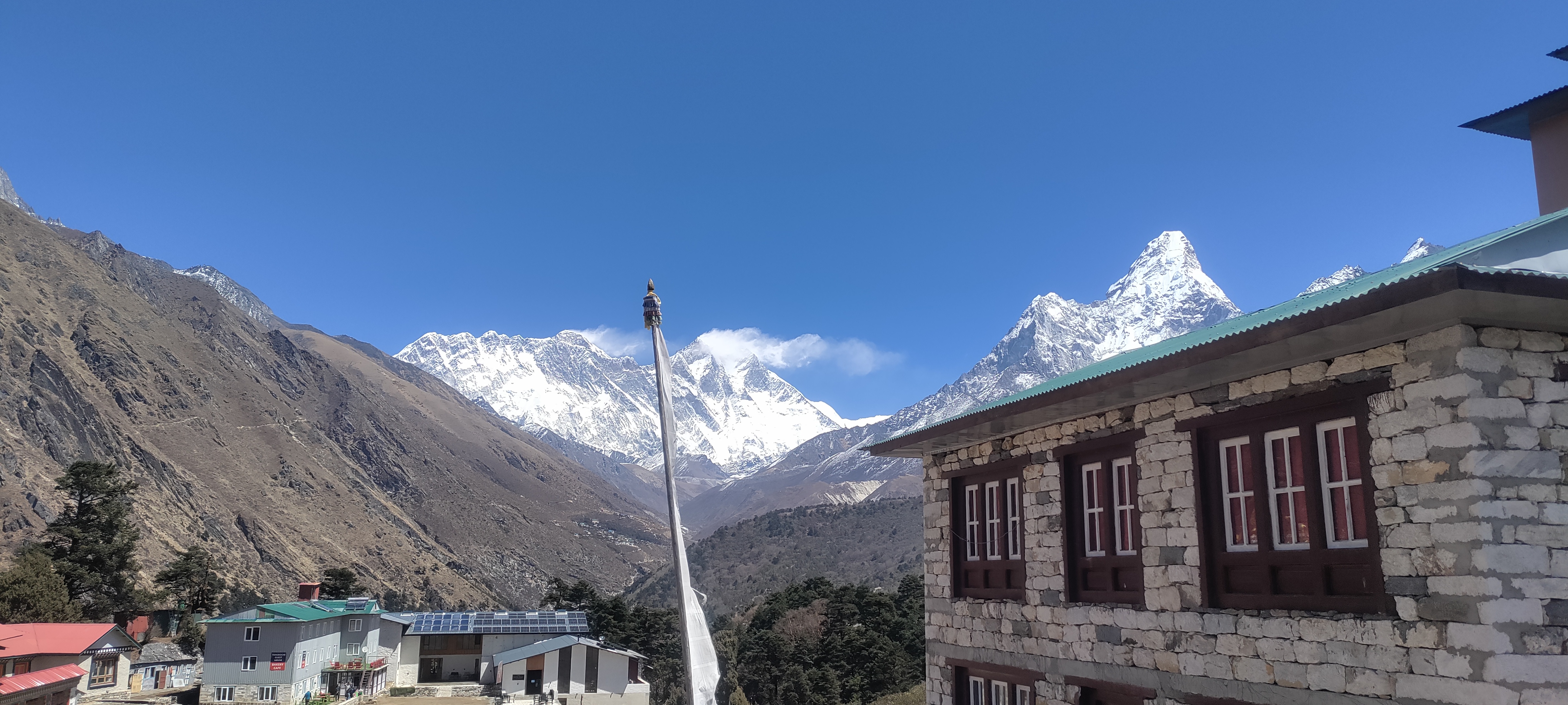
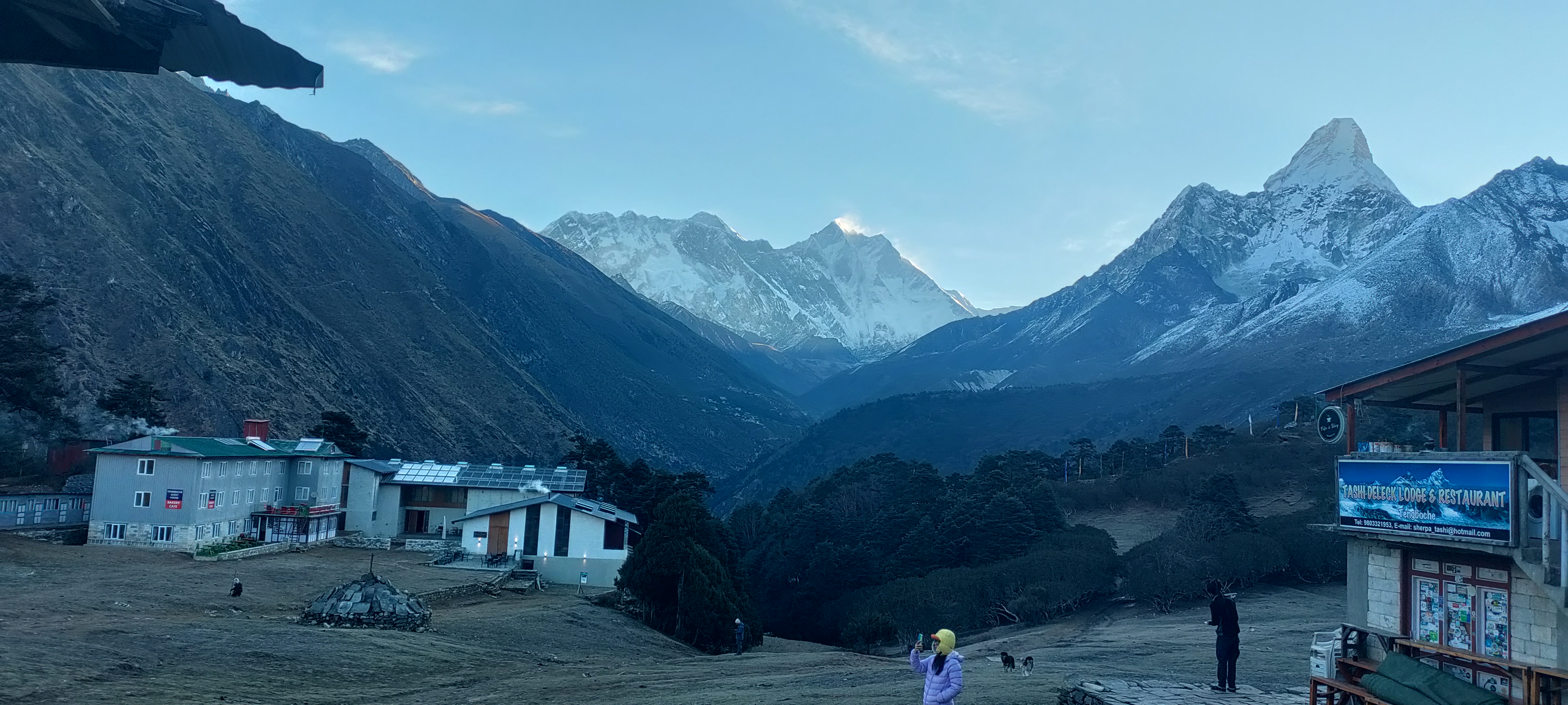
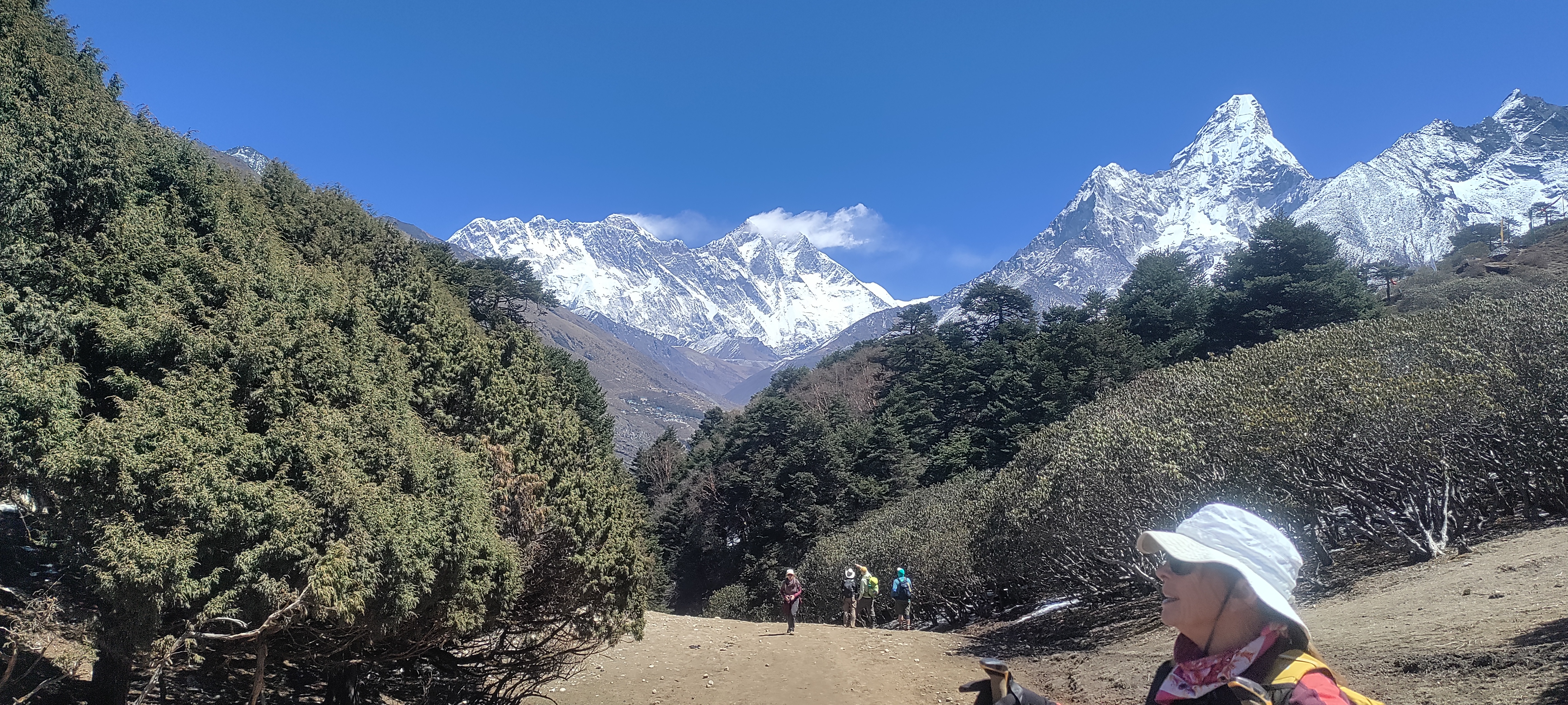
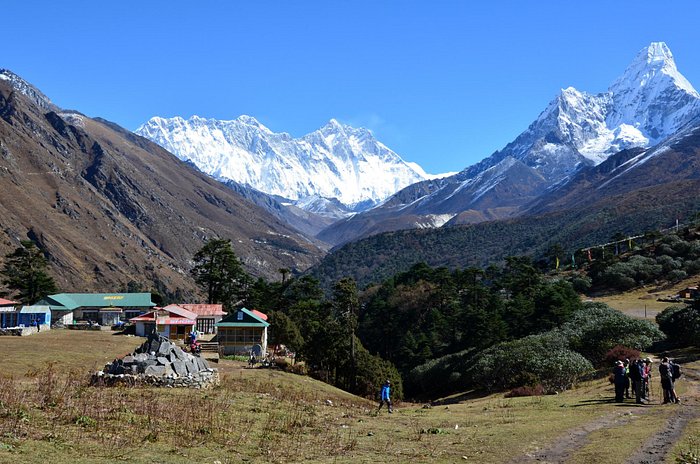
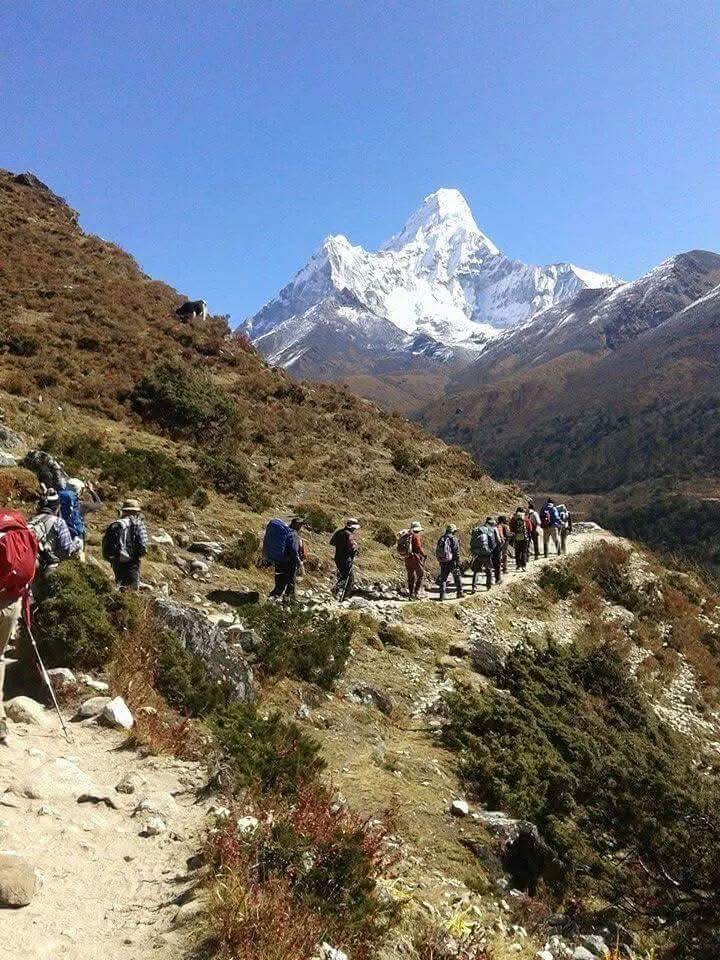
On the sixth day, you will proceed through the magnificent elevated forests today. You will pass through some small beautiful towns on the way. Here you will get an extraordinary opportunity to understand how the neighboring Nepalis live. Using the steep canyon and approaching the mountain line, you will be amazed by the surrounding scenery. You will see the amazing mountain: Mt. The Taboo, Mt. Neptune, Mt. Chloe, and many others. When you reach Dingboche, you will see the scene begin to change. The treeline will be replaced by low bushes and a sense of desert. You will love to see the view change. You will spend a night in Dingboche. Dingboche is truly heartwarming to see the floating guesthouses in the grounds, as well as the taste of the bakery and food there plays a special role. The height of Dingboche is 4360 meters / 14300 feet. During the trip, Pangboche offers a unique panoramic view of the Amadablan Mountains.
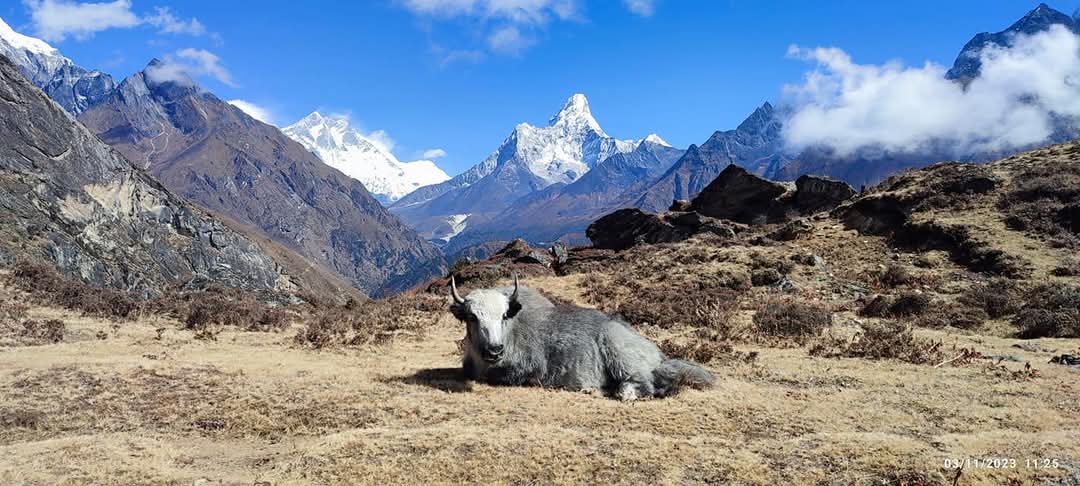
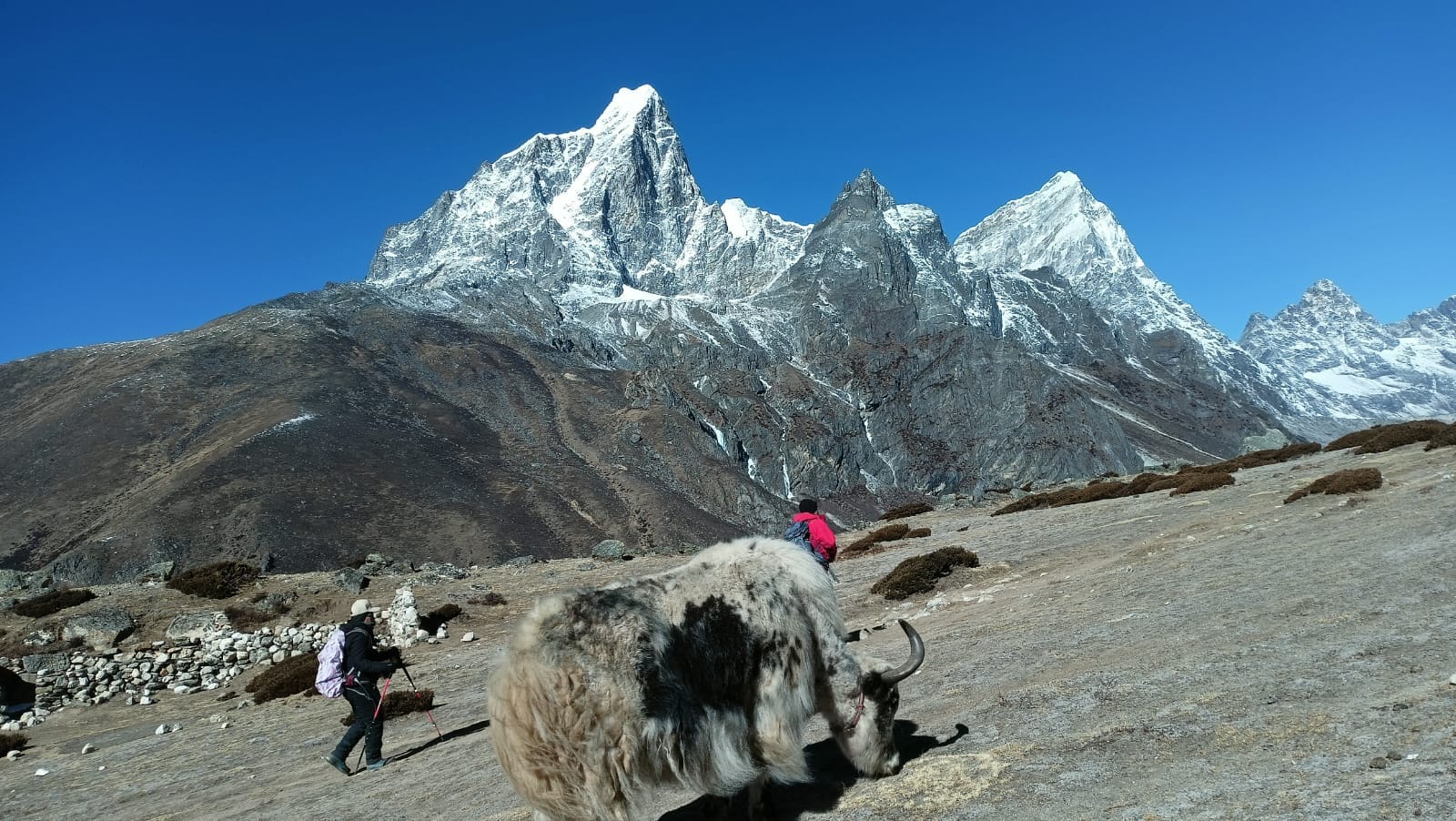
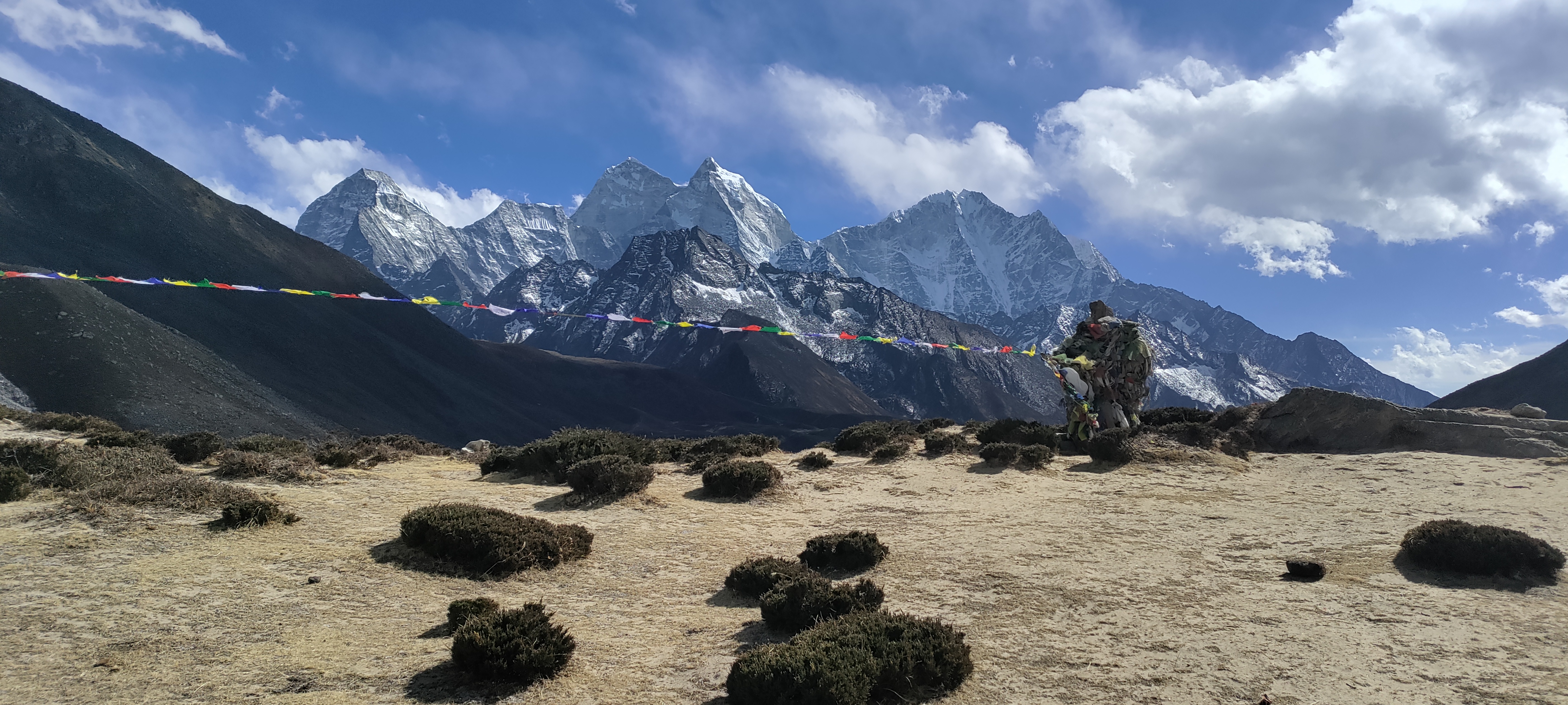
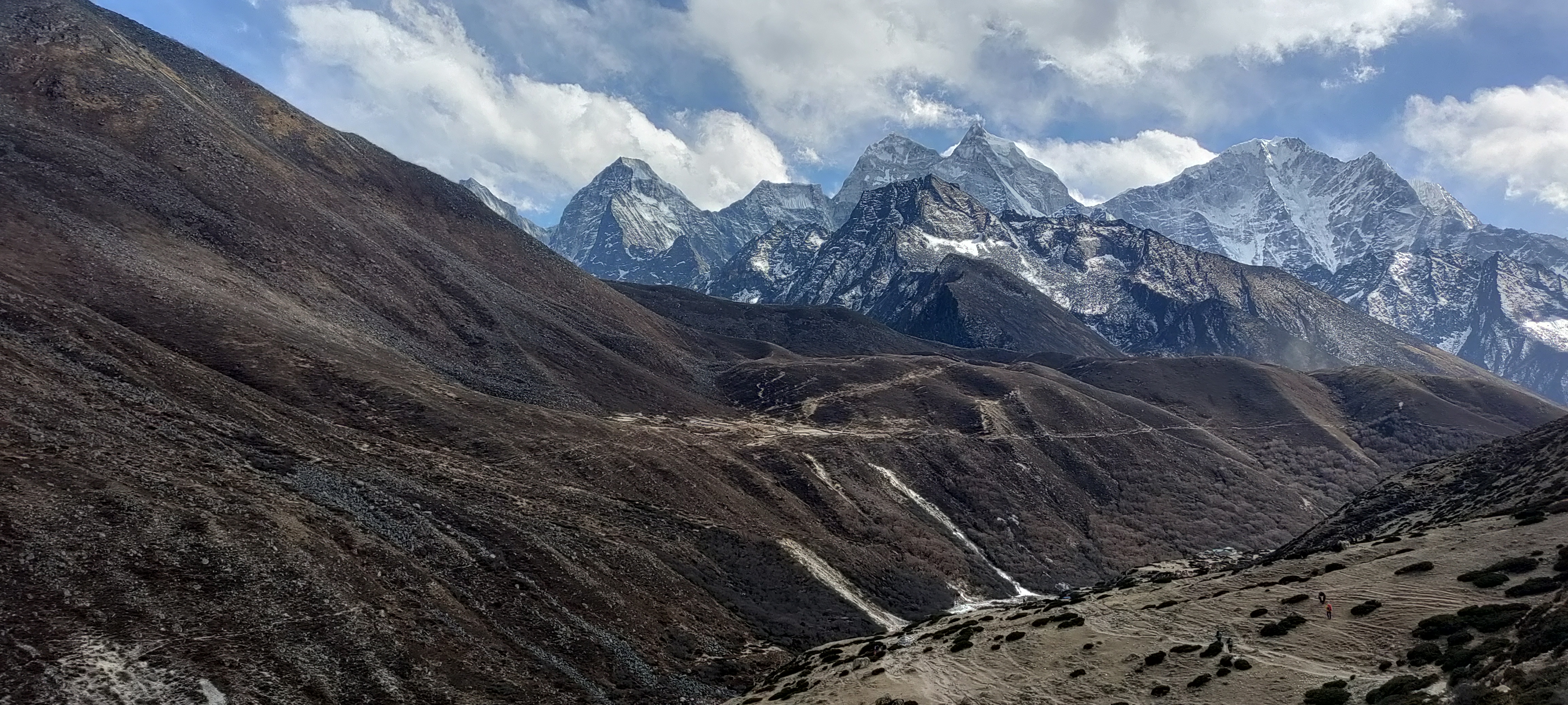
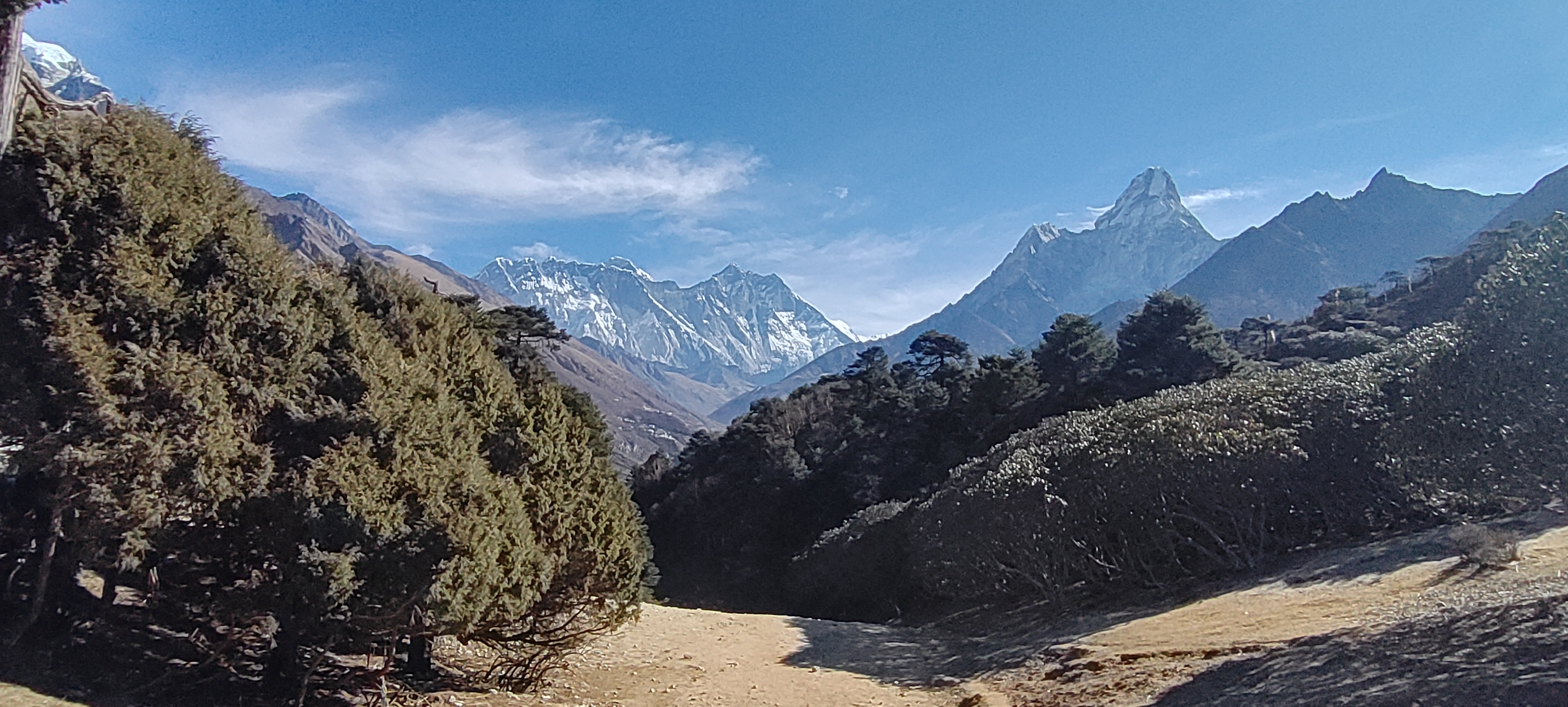
After an early breakfast on this day, enjoy a gradual trek towards Nankartshang Peak (approximately 4,900-5, 000 m 14,470 ft), which offers spectacular views of Ama Dablam, Island Peak, Lhotse, Makalu and the surrounding Himalayas. The trek follows the principle of "climb higher, sleep lower," helping your body adjust to the altitude before proceeding towards Lobuche and Sagarmatha base camp. After the walk, return to Dingboche for lunch, rest, hydration and an overnight stay. It will take about 4-5 hours. After coming to Dingboche you can take some rest and enjoy the nice coffee shop and bakery there.
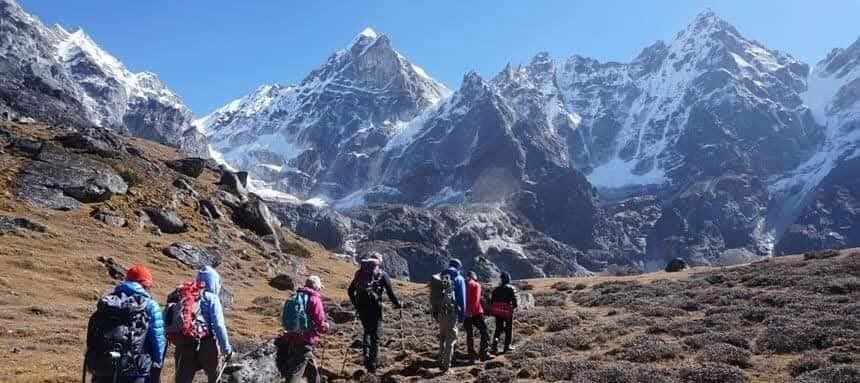
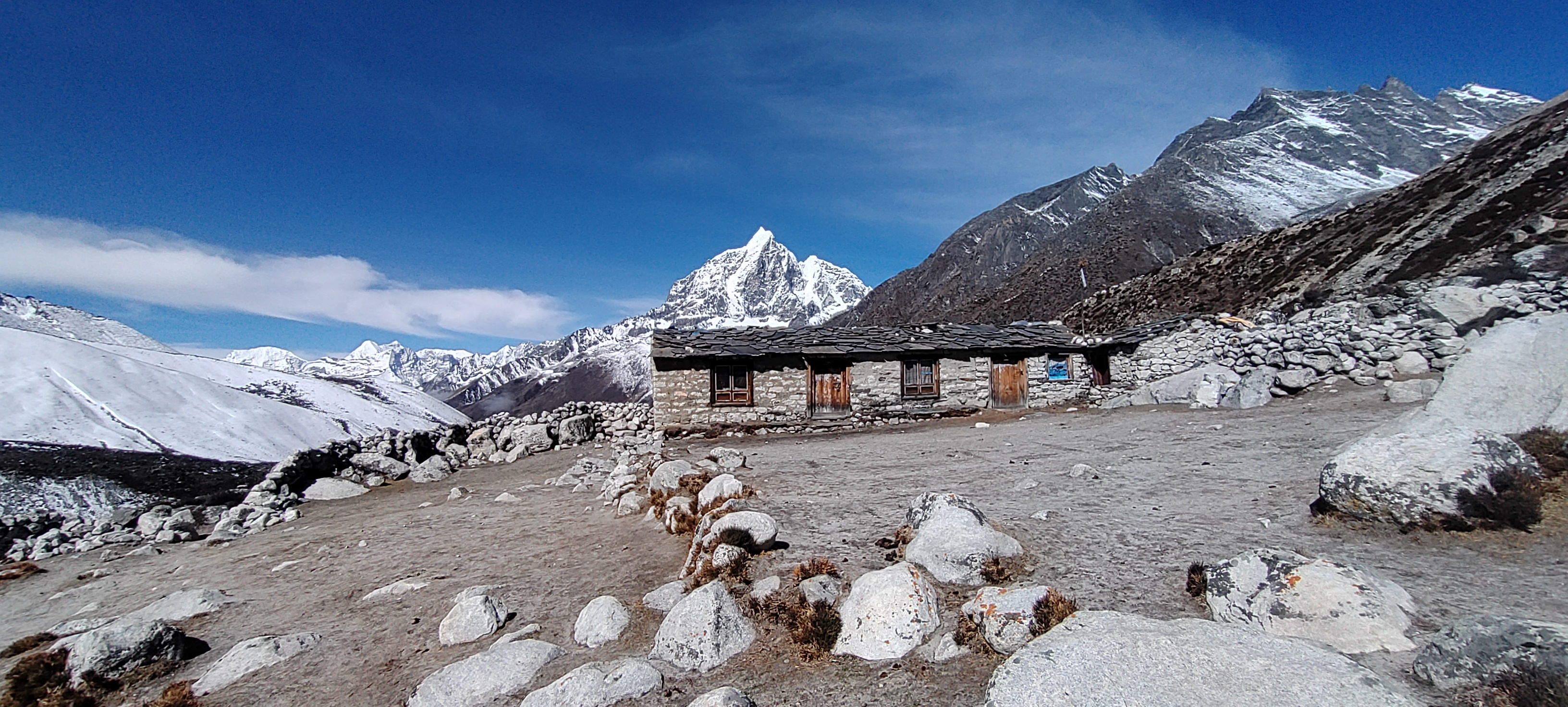
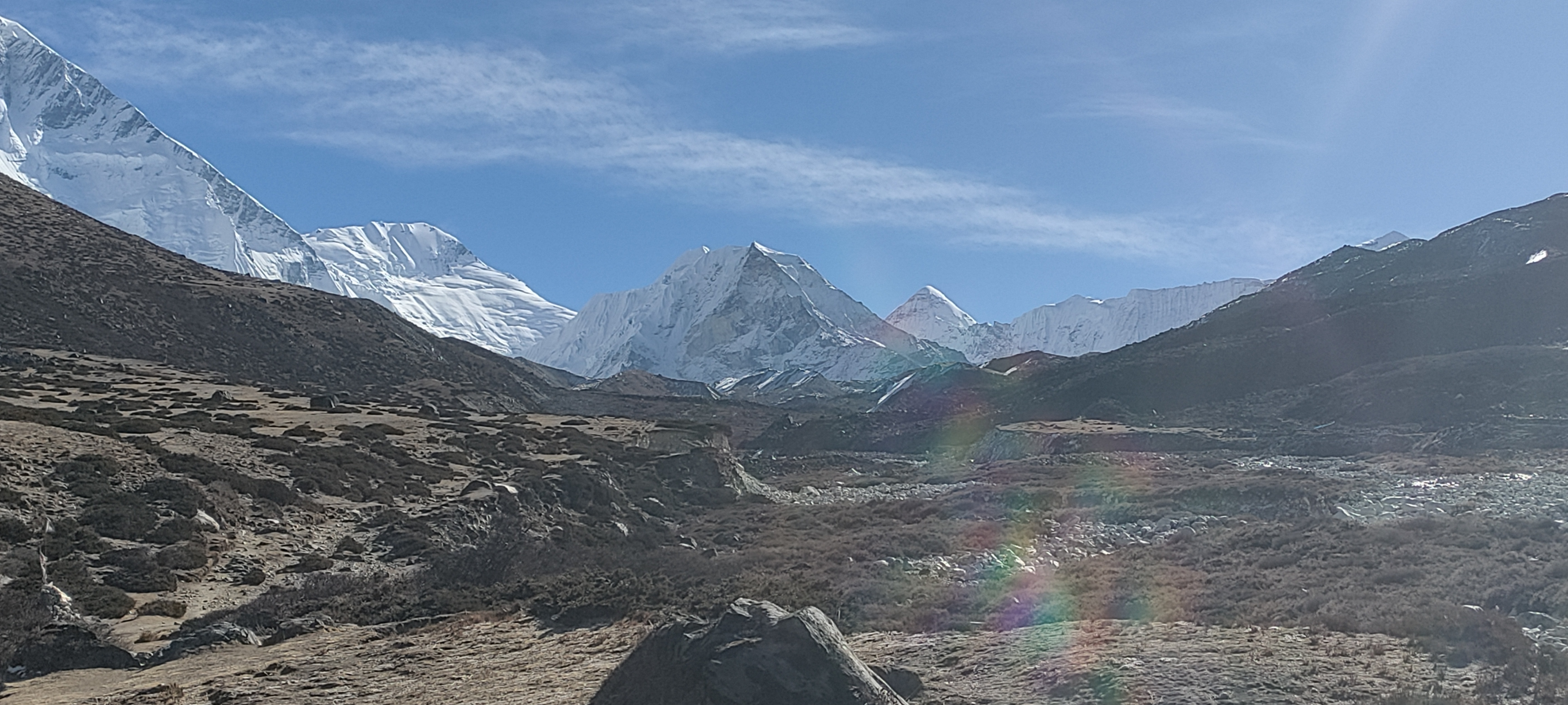
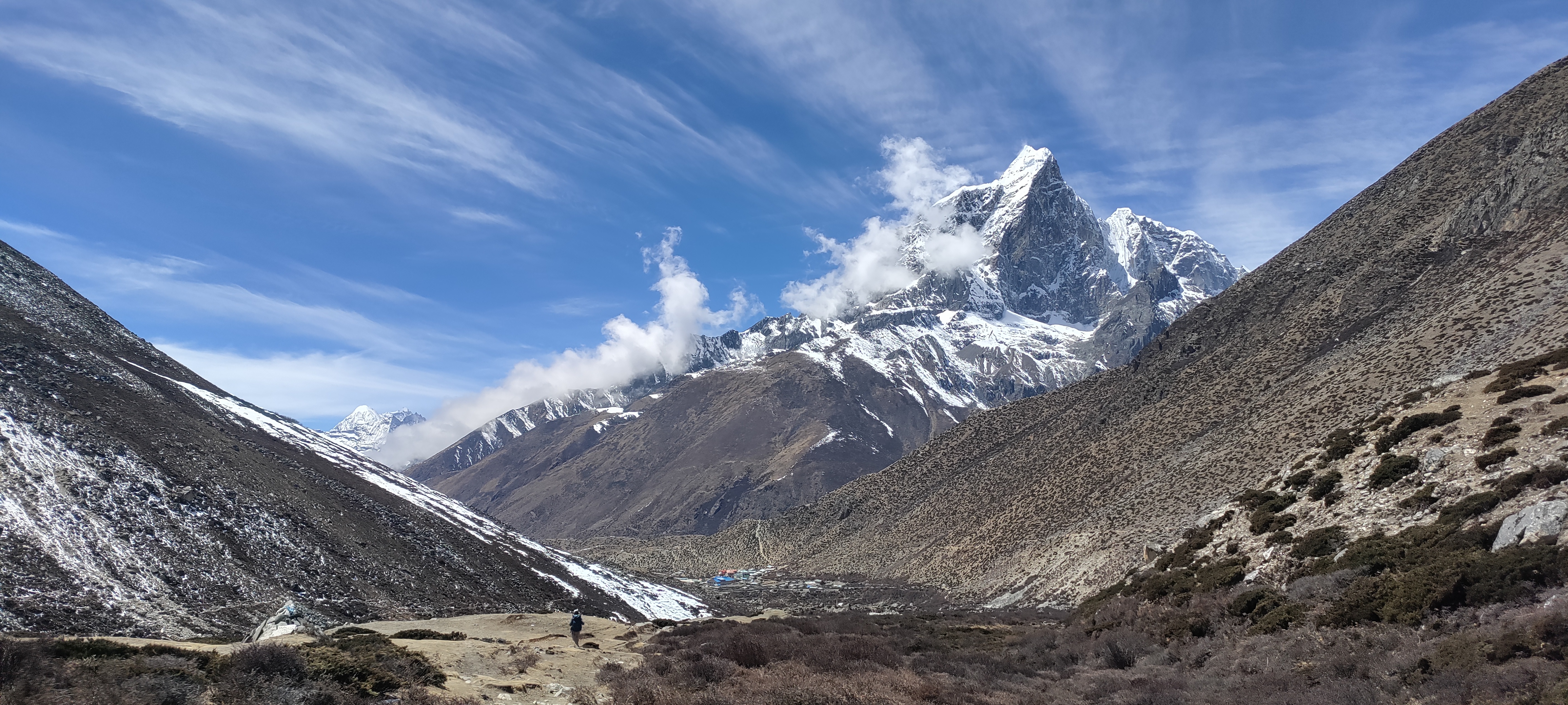
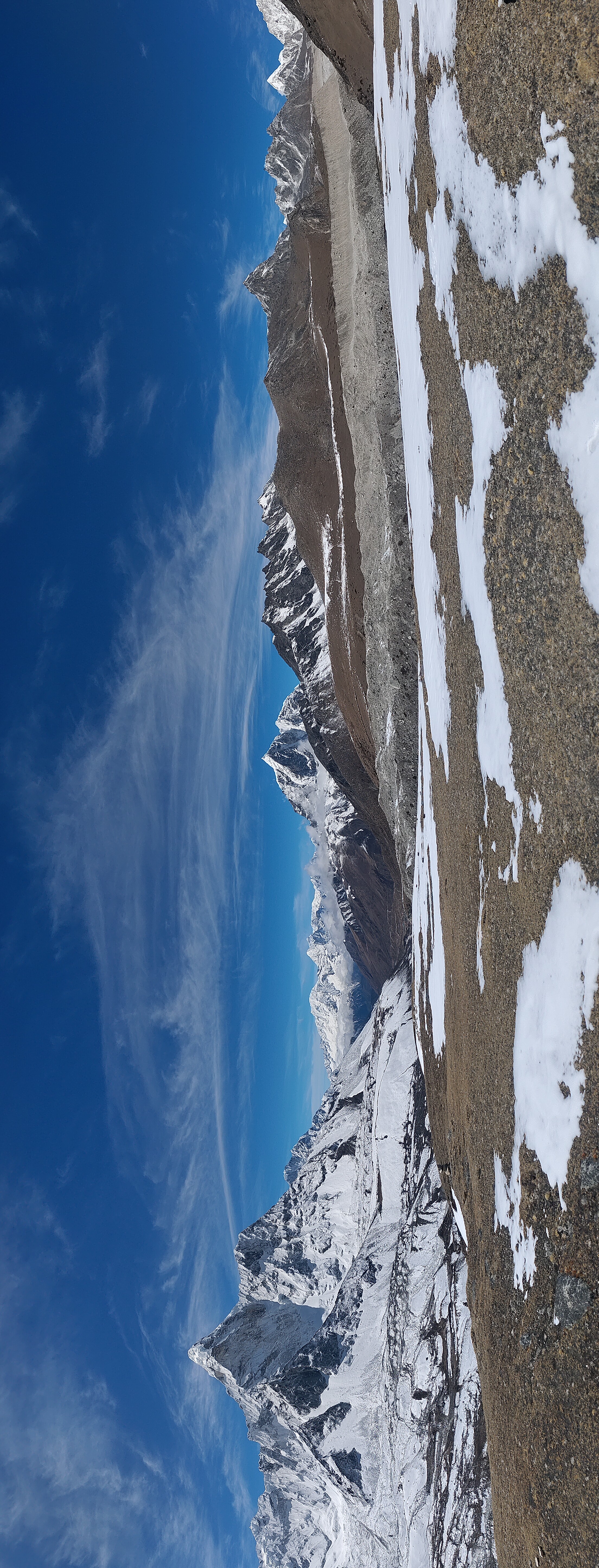
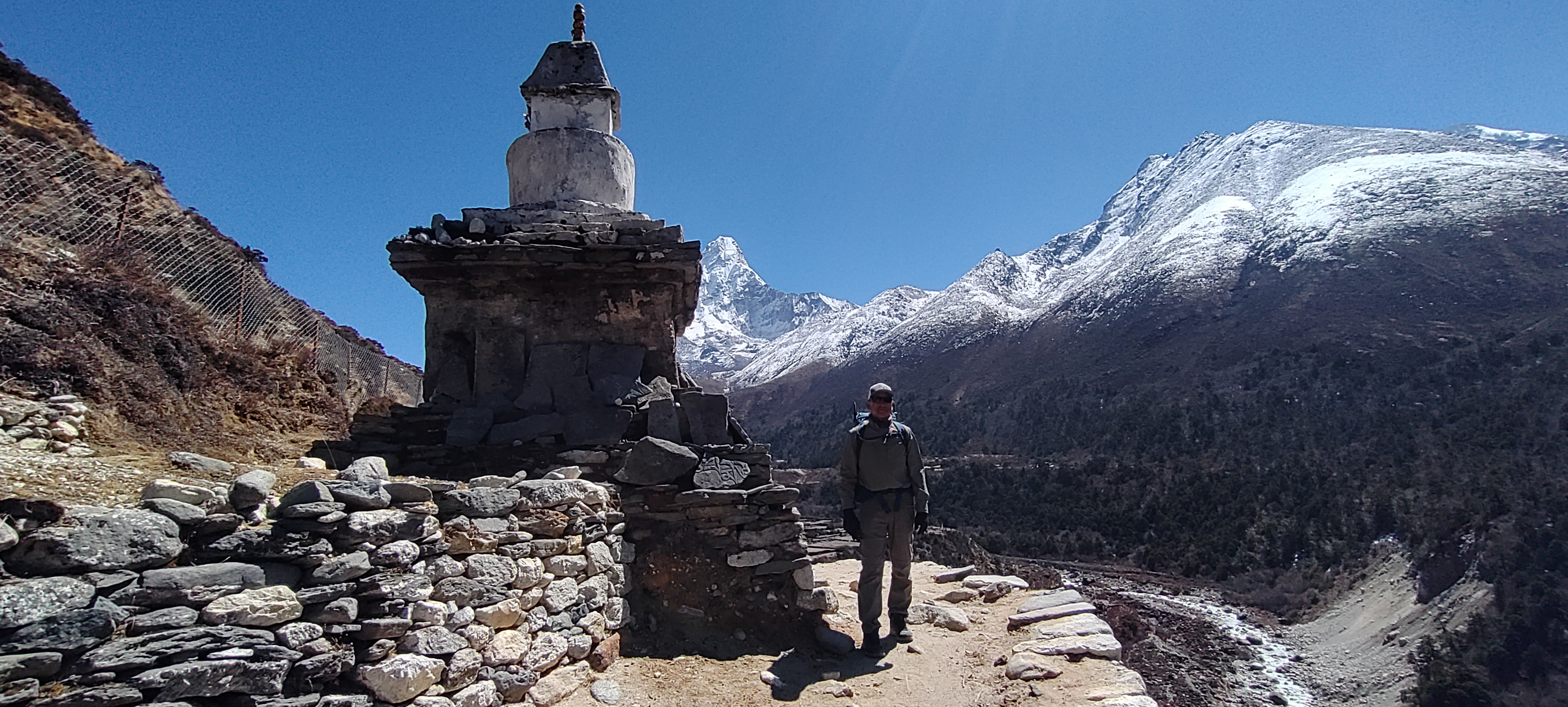
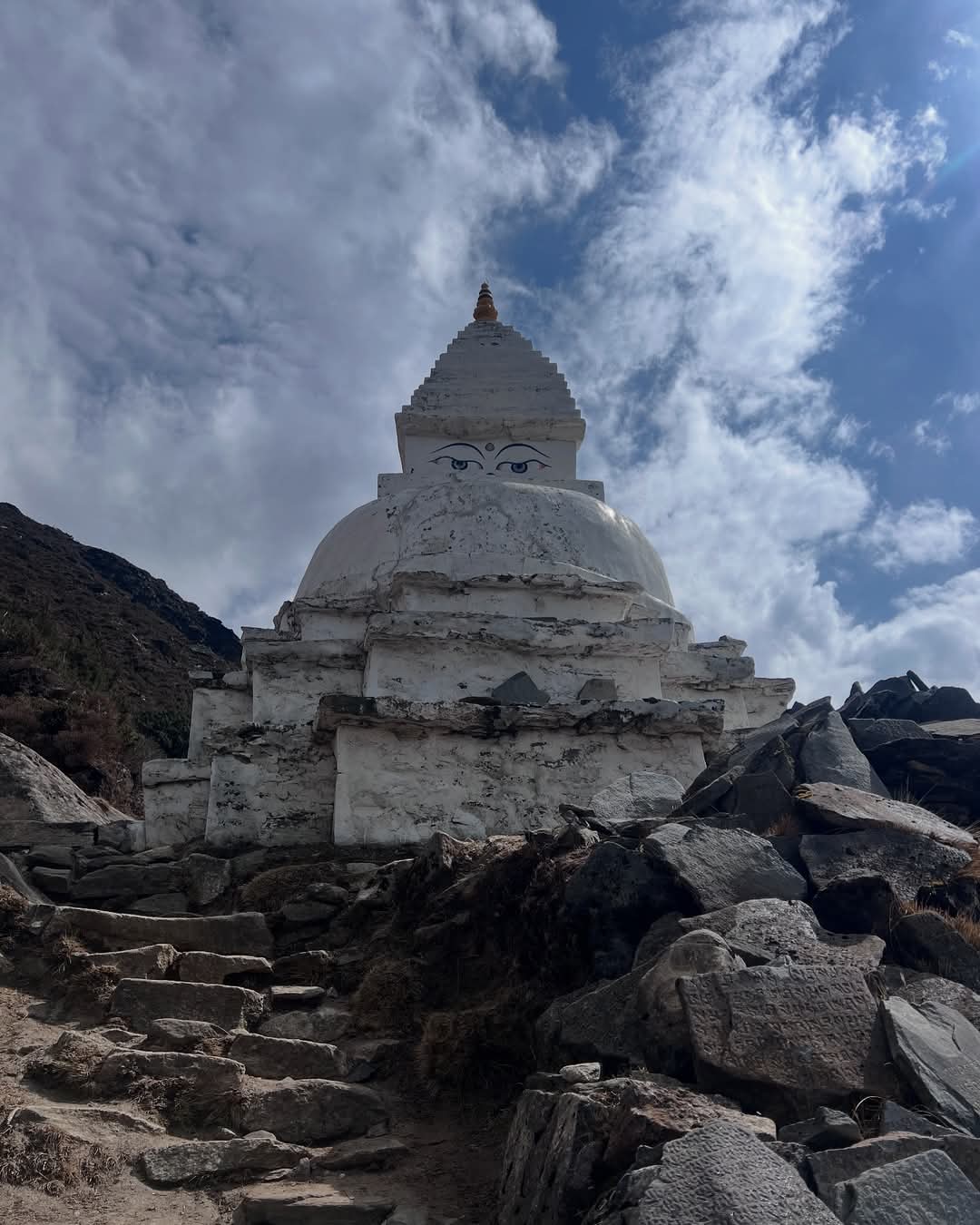
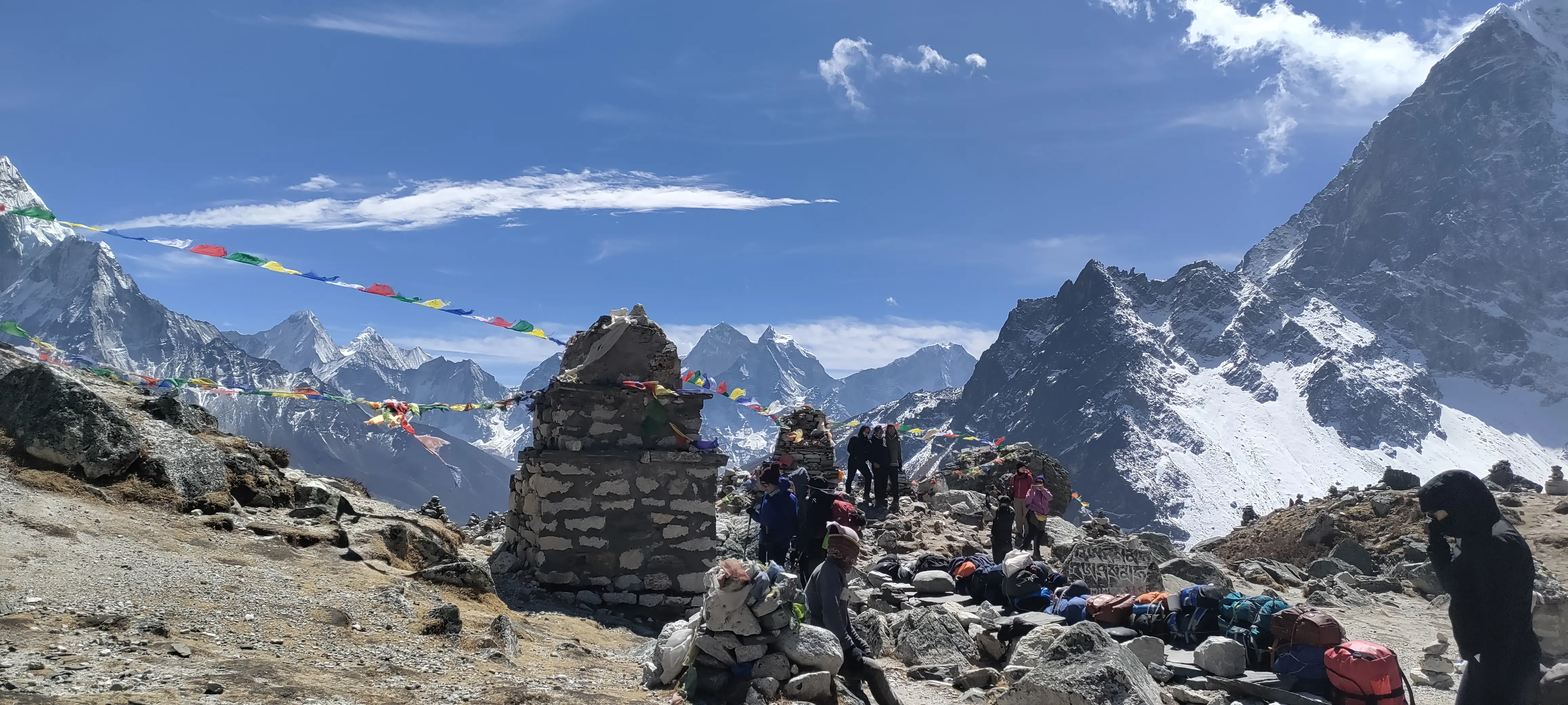
On the eighth day, you will leave the Khumbu glacier and proceed across the Great Khalsa. Some time ago it was difficult to cross many Kholsa Kholsi on foot, but now it is possible to reach Pari Thukla directly by building a swing bridge, where you can rest for a while and eat a day's meal. After climbing for about 45 minutes to an hour, one can reach a good resting place where one can see and read about the stupas built in memory of the world's famous climbers who lost their lives while climbing Mount Everest. You can invest some time there and get to know their challenging option of choosing a Sagarmatha expedition. After walking for about 5 hours, you will reach Lobuche where the altitude is: 4940 meters / 16207 feet. Here you will find a small group of hotels and you will be almost at your highest altitude. You will spend your night in Lobuche
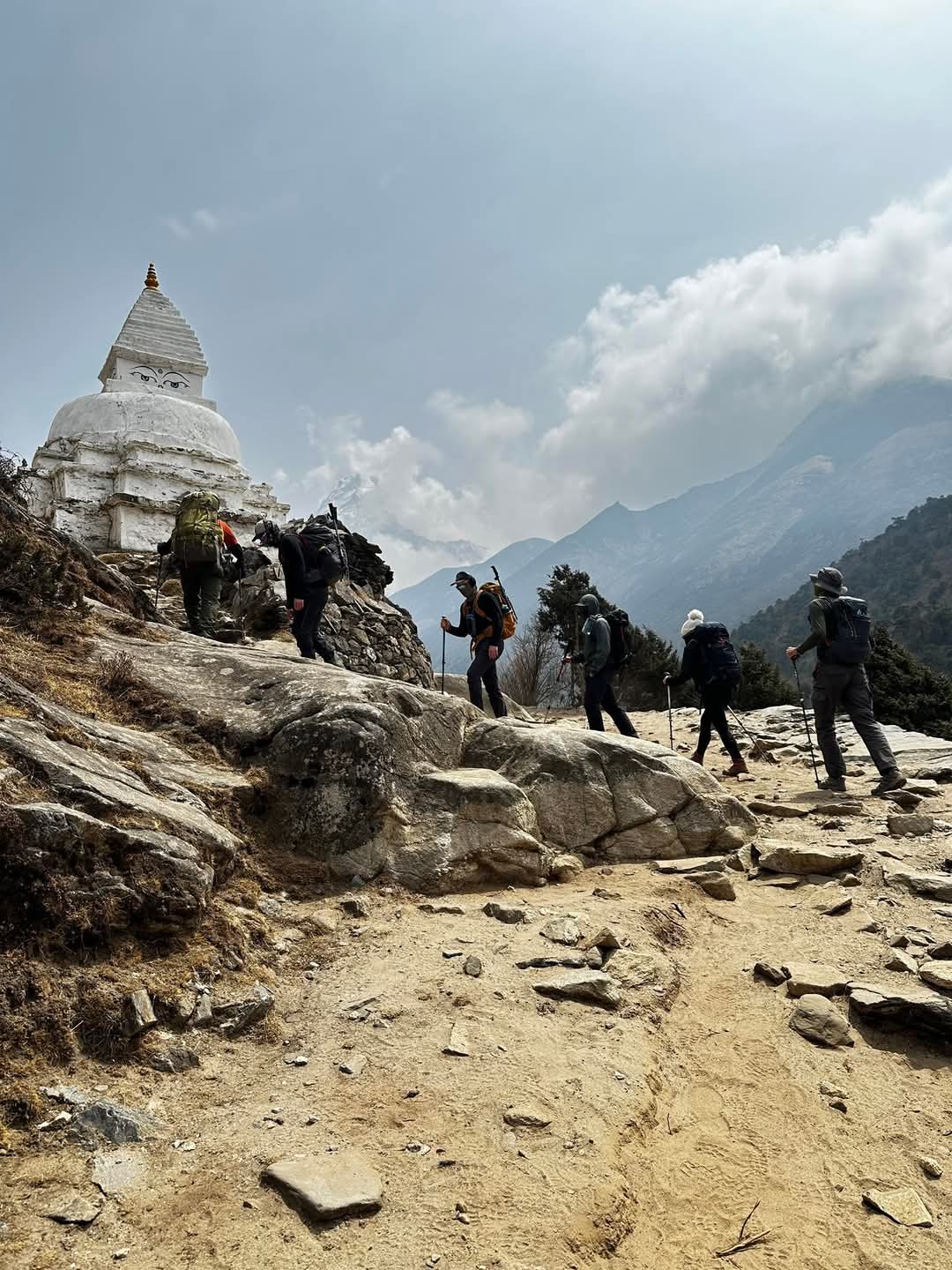
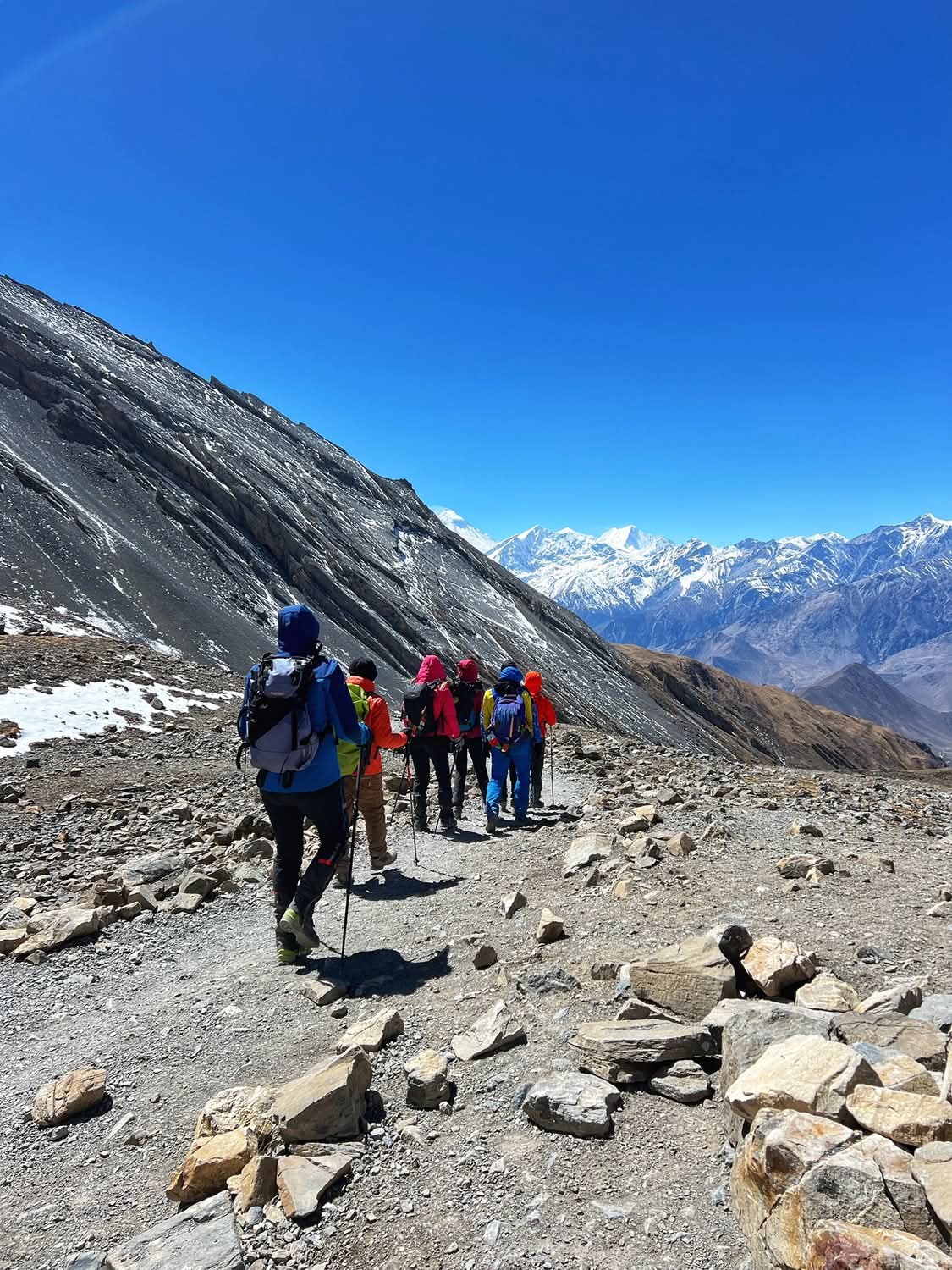
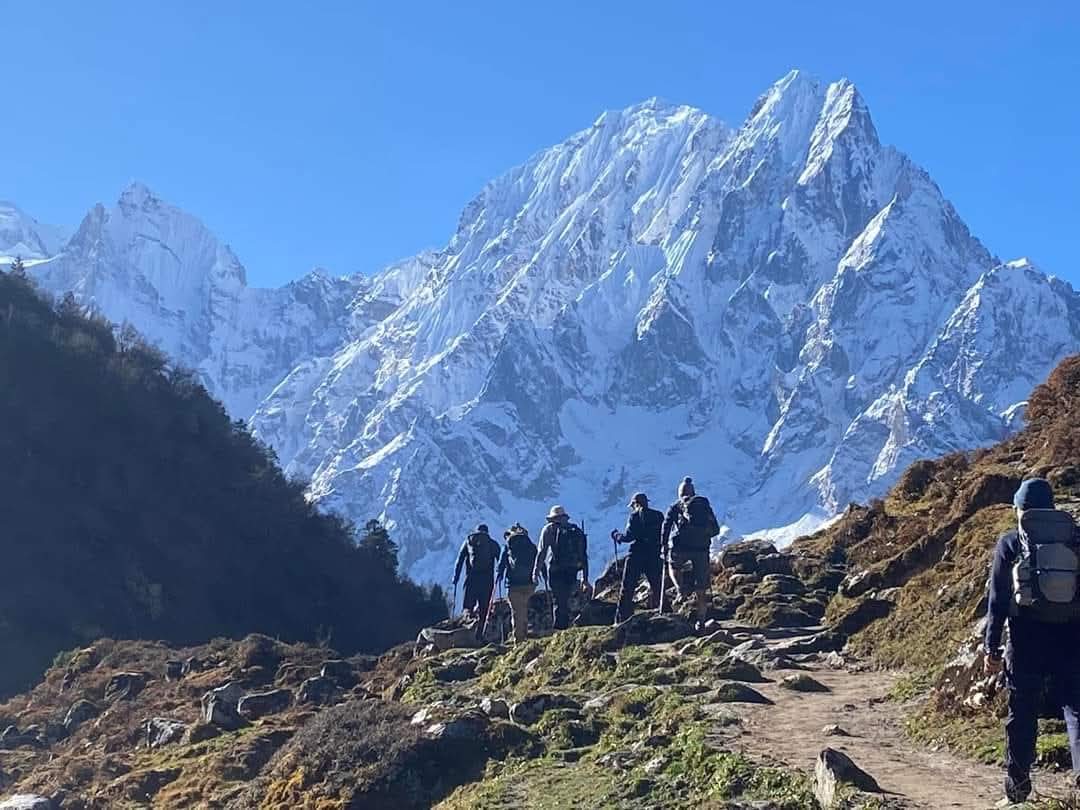
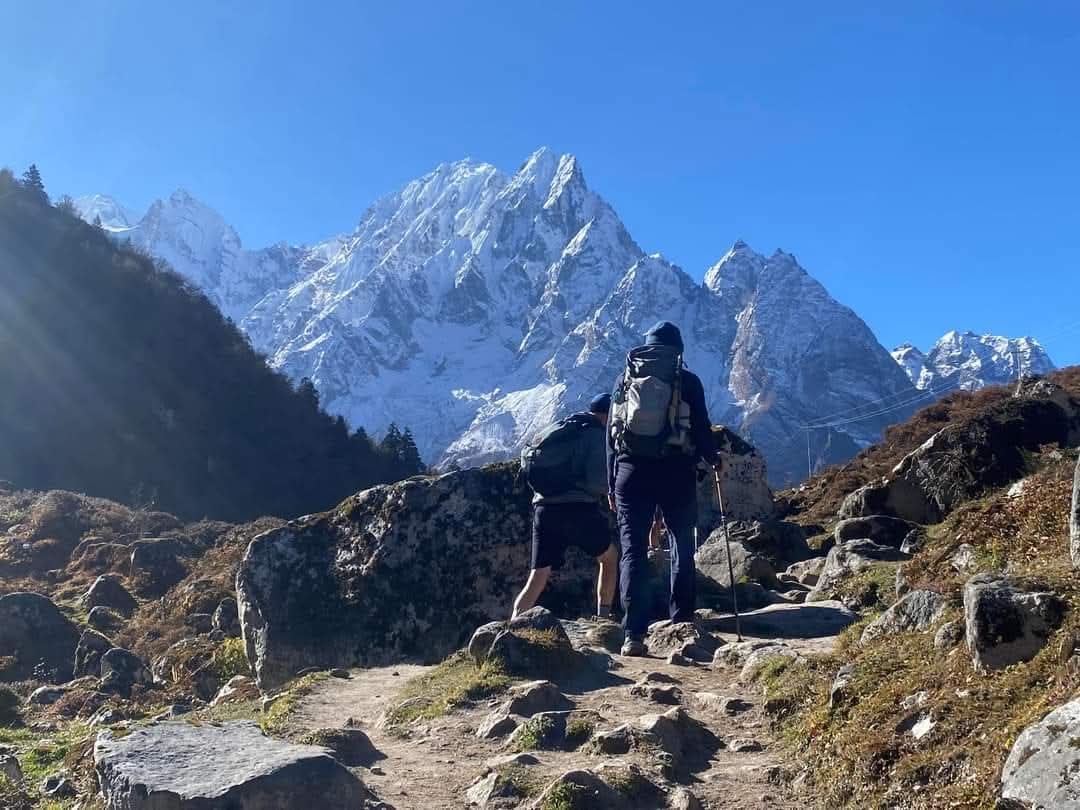
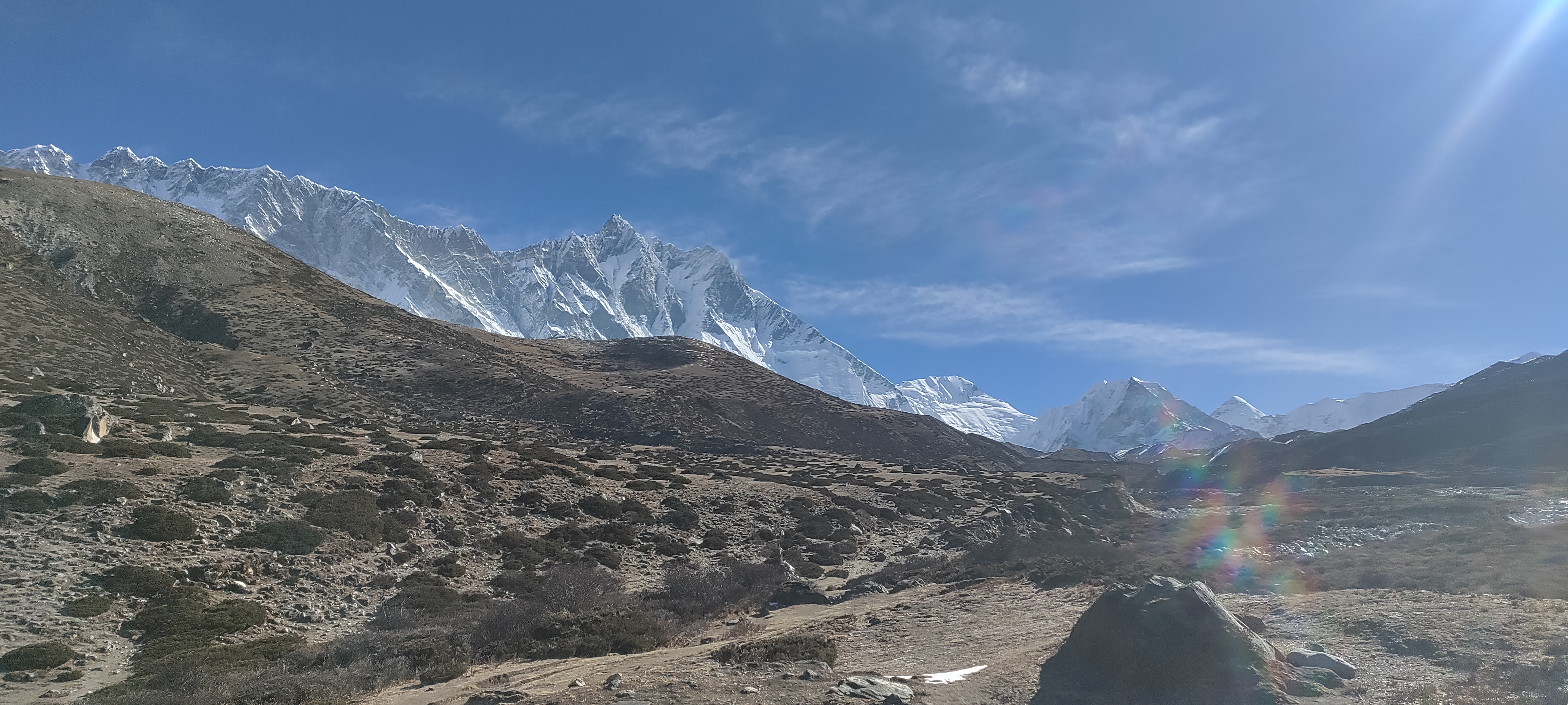
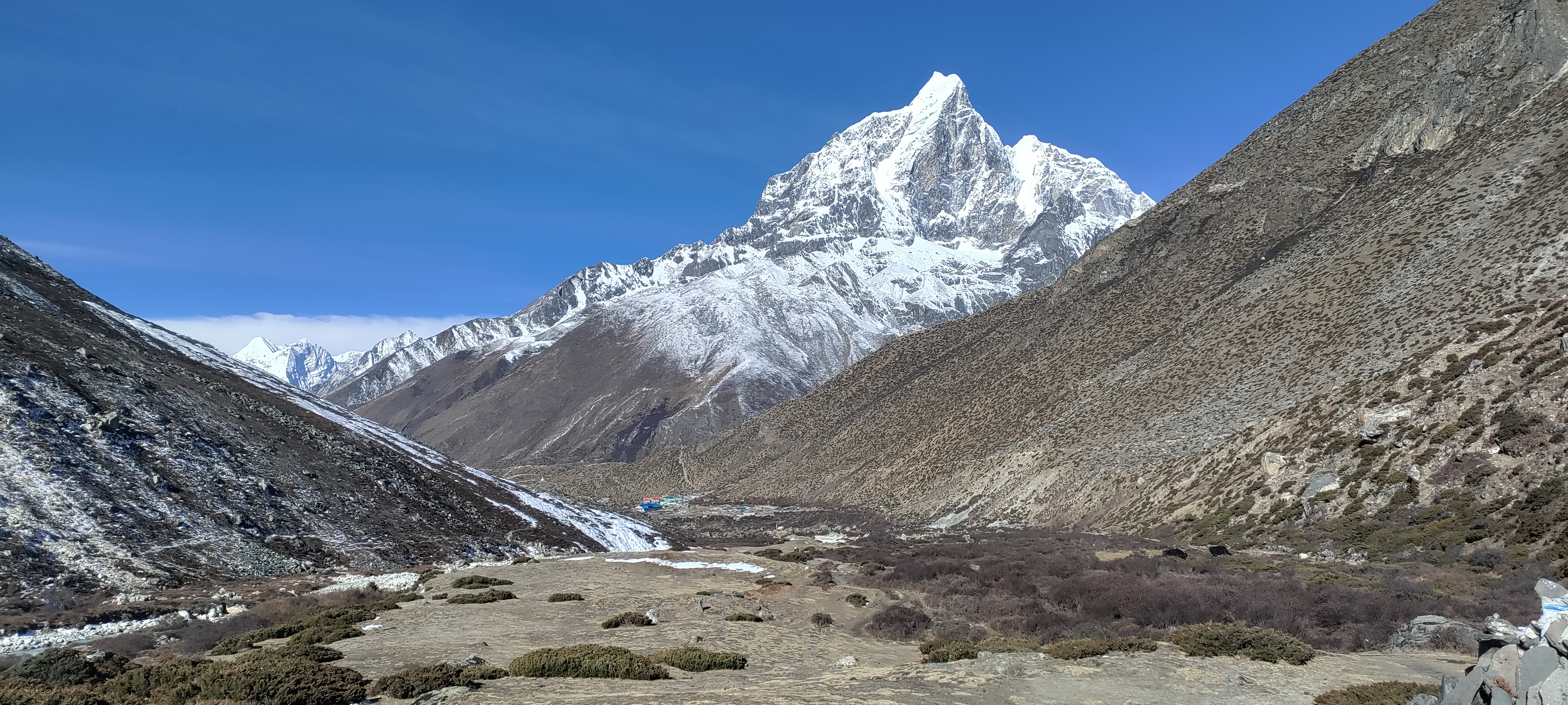
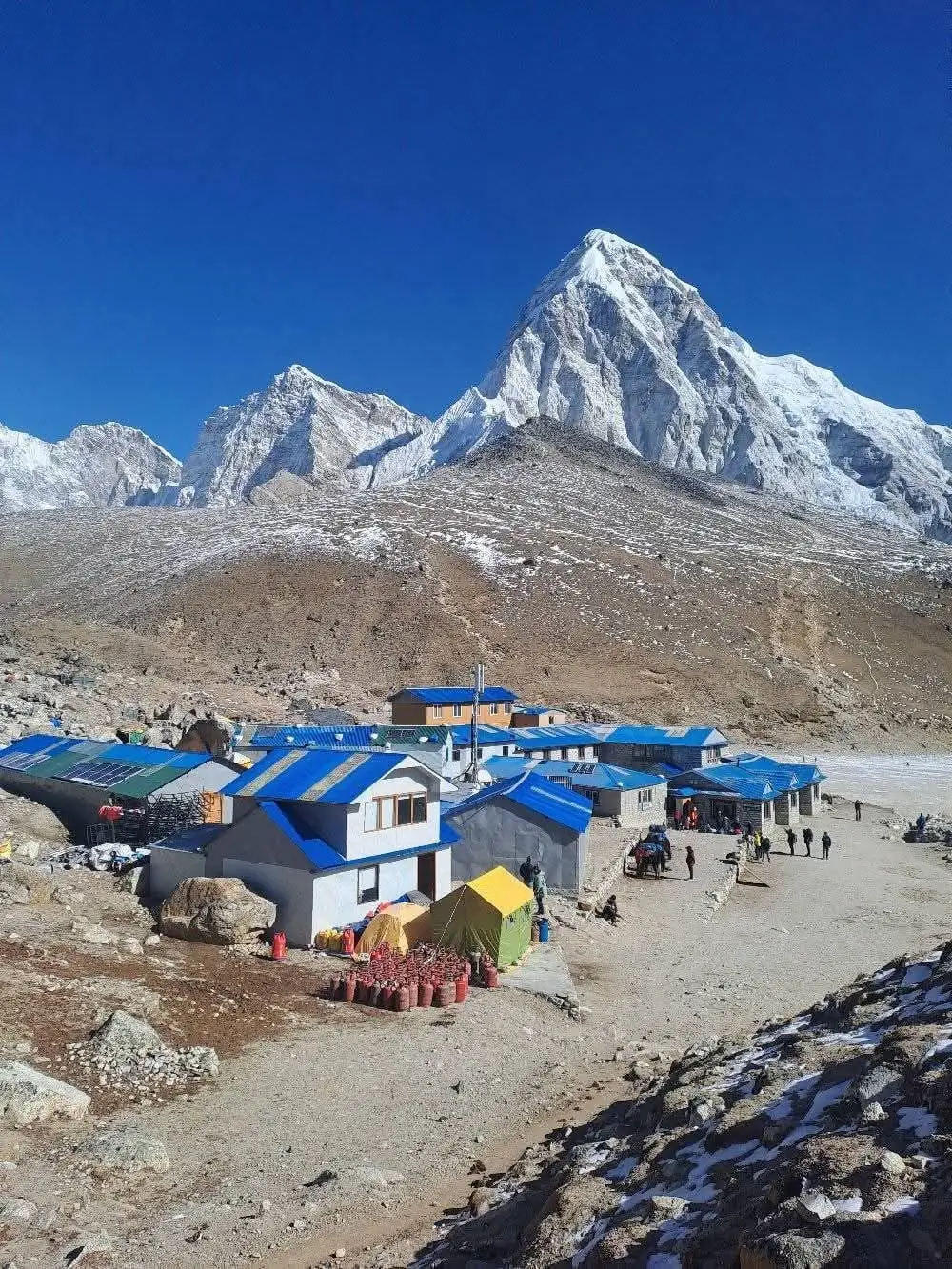
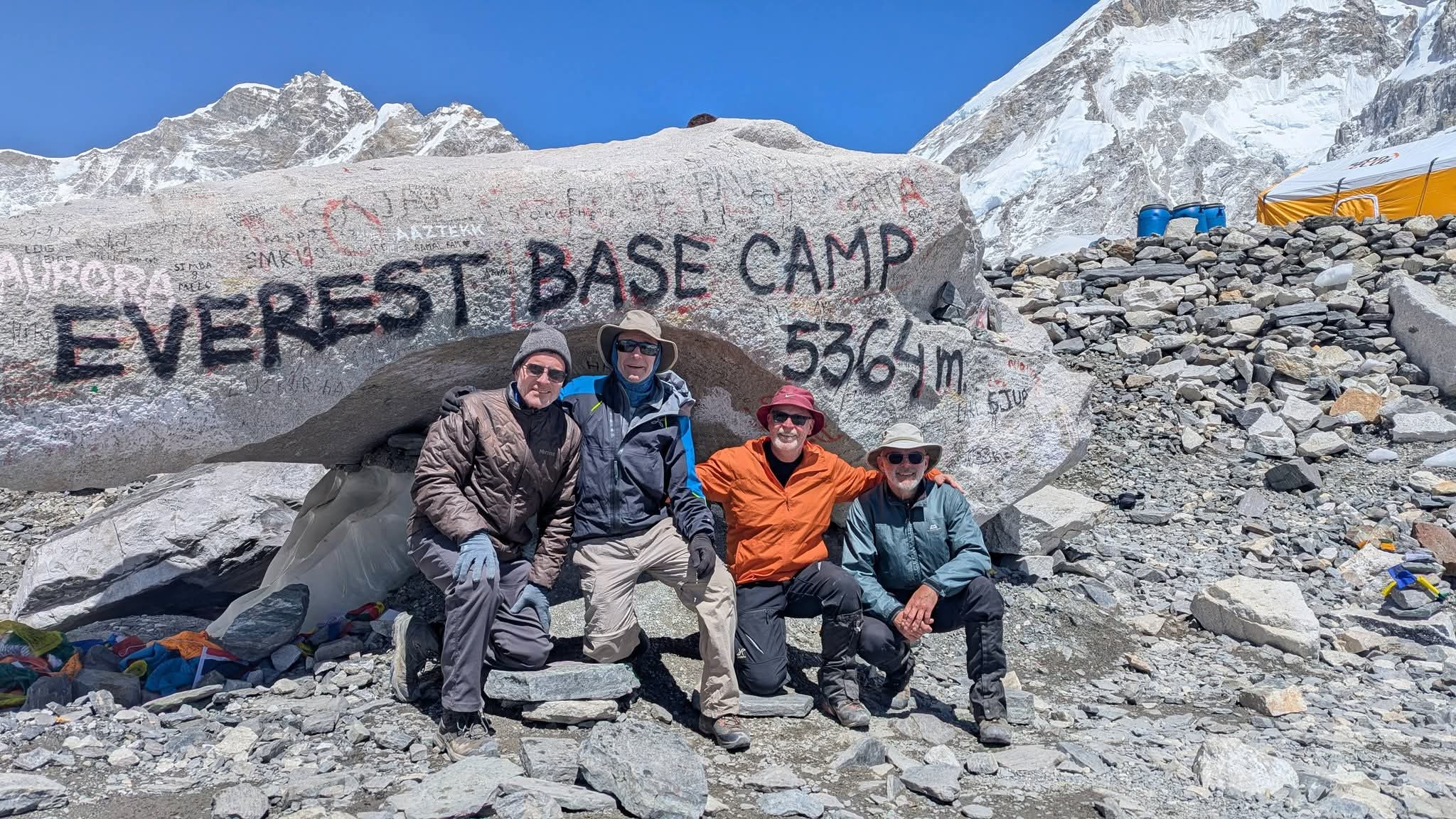
On the ninth day, you will wake up immediately during the first part of the day and head towards Gorak Shep, another small station in the cabin. This is the most awaited day of the entire journey, because you are reaching the base camp of the mountain and you are seeing the mountain with your own eyes. In fact, it was the first base camp in the 1953 effort, the last before the EBC. As you continue on your way to Gorak Shep, you will be able to see the Khumbu Icefall. As you get closer to Gorak Shep, the path will be a bit rougher, as you will have to walk over small mounds there. After reaching this height (5170 m / 16961 ft) i.e. Gorak Shep, you will take some rest, leave your bag at Gorak Shep, and proceed towards EBC after having lunch. It is recommended to walk slowly at your own pace to prevent the problem of high altitude sickness. Gradually, you will reach the highest point of the Khumbu Glacier and soon you will have a view of the Khumbu Icefall. After a few hours of climbing, you will be at the place where much history has been made, the Sagarmatha base camp at an altitude of 5,364 meters. The feeling of accomplishment of coming up here will give you more height. It's all possible! At that point, you will dive into the horizontal gorge of the Khumbu glacier; you will bring down your viewpoint to Gorak Shep and spend a moderate period of time. The trek to Sagarmatha Base Camp (5300m / 17400ft) will take around 6 hours and the night will be spent at Gorak Sep 5170m / 16961ft.
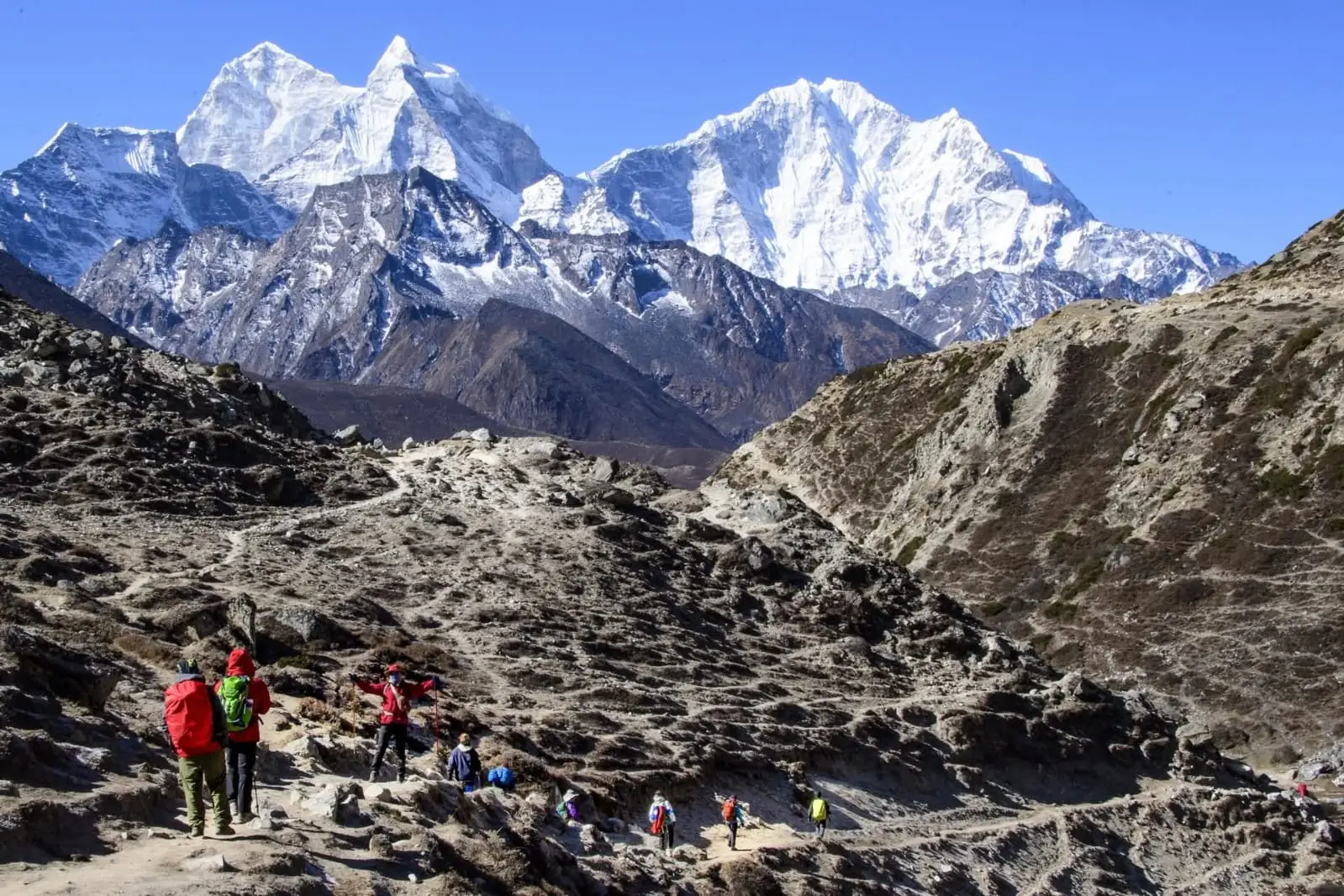
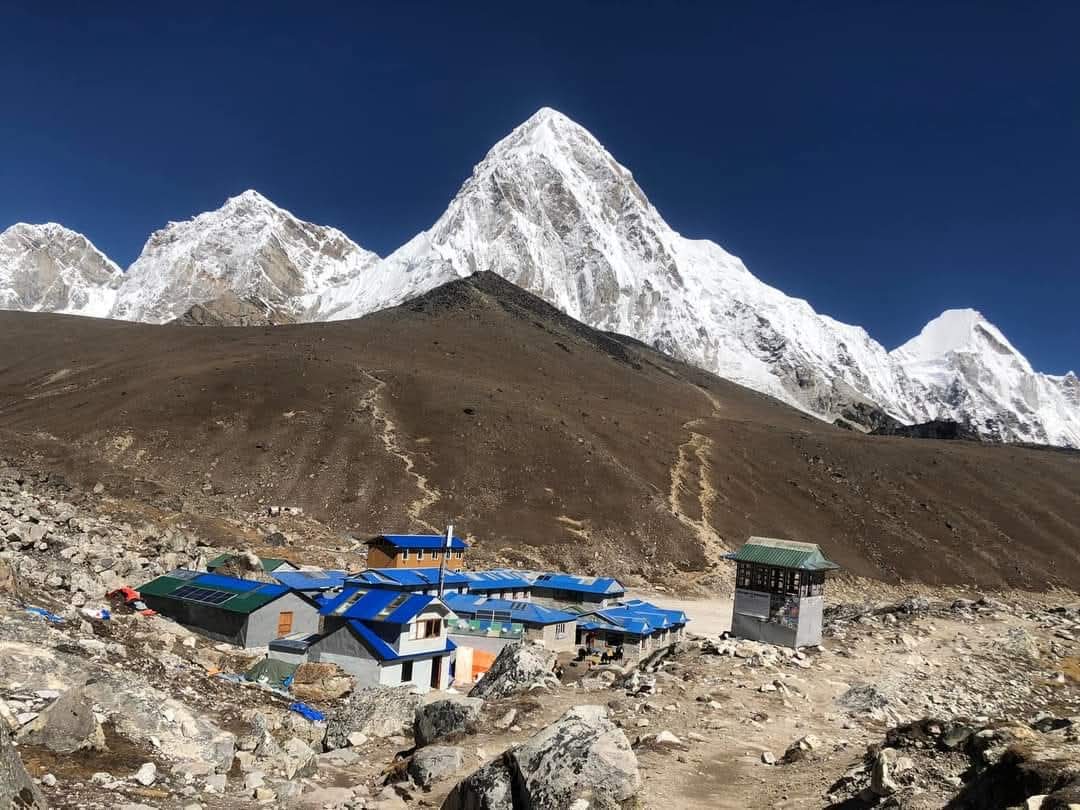
After breakfast at Gorak Shep (5,164 m), proceed to Pangboche (3,985 m). Since today's walk is mainly a walk, it feels a little easier than the previous day. From Gorak Shep proceed towards Lobuche (4,910 m), crossing the Khumbu Glacier area. After a walk of about 2 hours one can take a short break by reaching Lobuche.
The route from Lobuche progressively passes through Oralo and reaches Thucla (4,600 m). The Himalayan landscape around Thukla and the famous monuments of the Everest region can be seen again. After resting for a while, the journey continues towards Pheriche (4,371 m). After about 1-1.5 hours reach Pheriche, where it is appropriate to rest for lunch.
After lunch continue the journey towards Pangboche through the Imja Khola Valley. On the way there is a spectacular view of the beautiful Himalayan landscape, including Sherpa settlements and Ama Dablam. Pangboche (3,985 m) is reached after a walk of about 2-2.5 hours.
Pangboche is one of the famous old Sherpa villages of Nepal. After arriving here, you can check-in at the lodge and relax. In the evening, a short tour of the village allows you to experience the local Sherpa culture and Himalayan lifestyle.
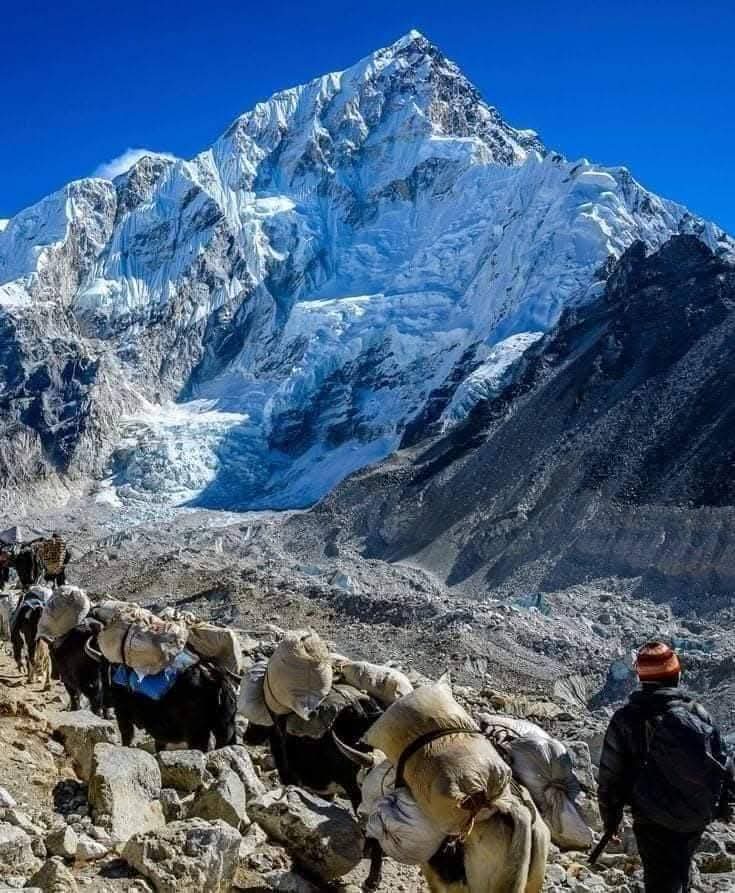
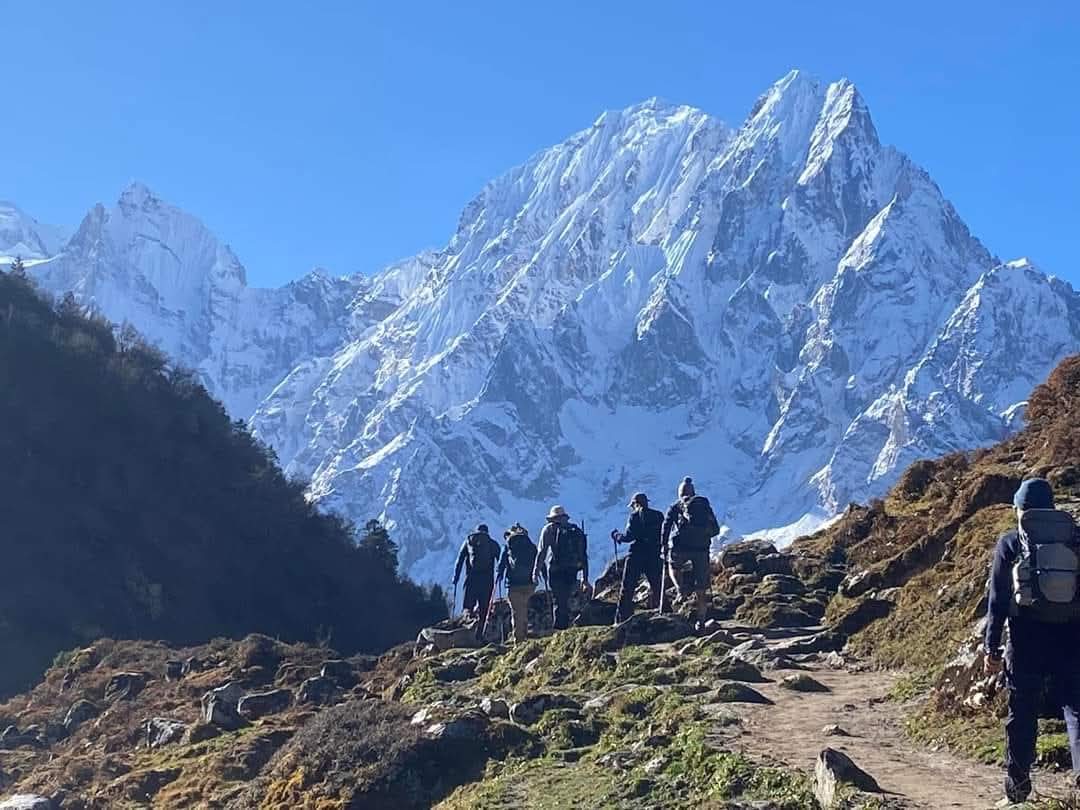
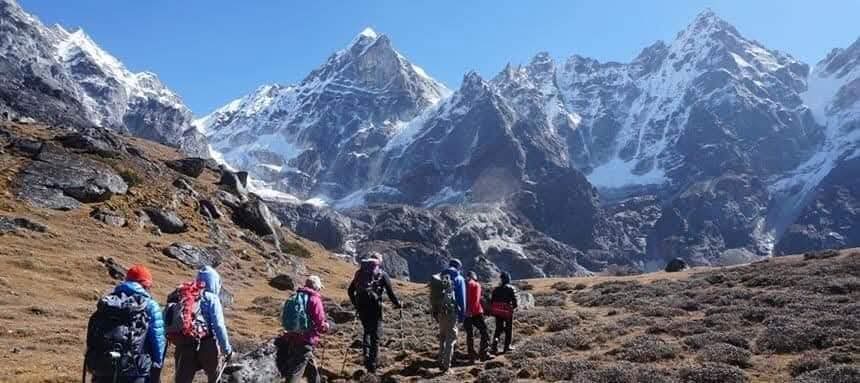
After breakfast, trek from Pangboche through beautiful rhododendron and pine forests toward Tengboche (3,867 m), home of the famous Tengboche Monastery, with spectacular views of Everest, Ama Dablam, Lhotse, Nuptse, and Thamserku.
Continue downhill through the forest to Phunki Tenga, crossing the Dudh Koshi River. From here, the trail climbs steadily through the forest toward Sanasa and Kyangjuma, offering excellent mountain scenery along the way. The trail then gradually leads to Namche Bazaar (3,440 m), the lively trading and cultural hub of the Khumbu region.
After arrival, check into your lodge and enjoy the evening exploring Namche’s cafés, bakeries, shops, and local atmosphere.
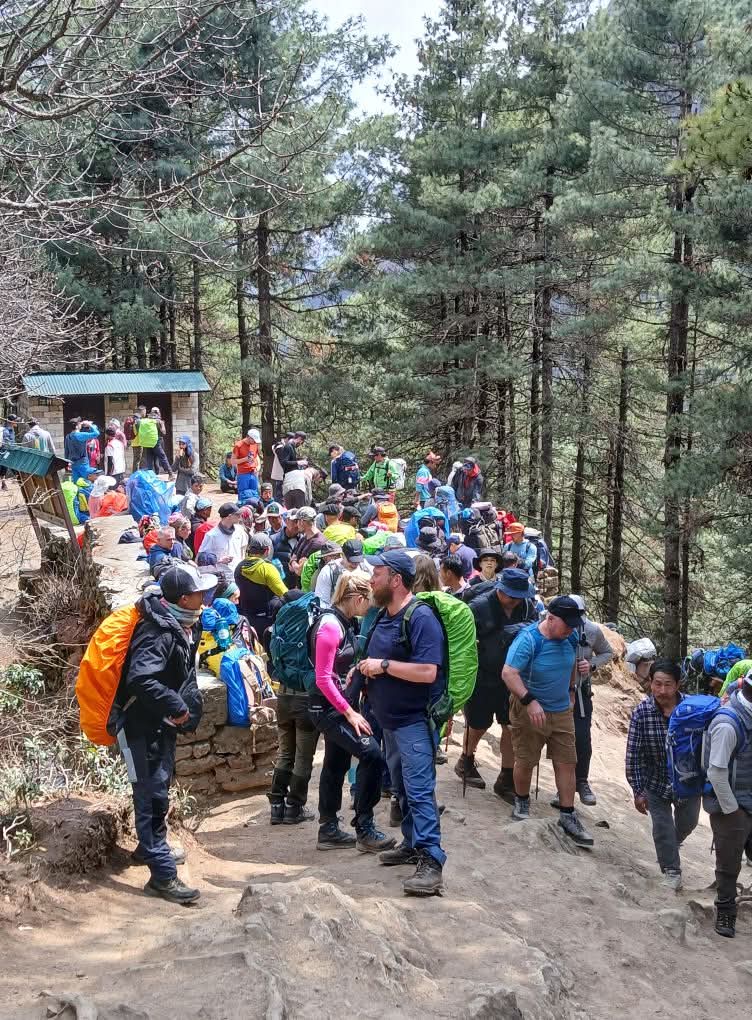
On the twelfth day, you will trek back from Lukla and this will be the last day of your trek. Once again, you'll find some suspension spans further down the aisle. Walking right on the milky stream, you will meet at Phakding. You will take some rest here and after having food proceed towards Lukla where you will feel a little uplifted. In Lukla you can again enjoy some excellent cooking and hot water. Lukla's altitude is 2840 meters / 9320 feet and it will be the last day of the Sagarmatha district. You will pass through Lukla in the evening before your trek. Over time, you can appreciate your fruitful journey with individual walkers. Hiking Time: It can take up to 6 hours and 7 hours to reach Lukla and then explore Lukla and enjoy the last walk of the Solukhumnu district.
In a few days, you will depart from Lukla to Kathmandu for another amazing Garjan Parbat. You will return to Kathmandu via Lukla by plane. As time passes, you will move forward with an emotional view on the transit back. You can appreciate the last views of these amazing snow-capped peaks. After connecting in Kathmandu, you can spend the rest of the day in Kathmandu appreciating your prosperity. If you need, you can explore the city and find and buy some souvenirs for your friends, family and relatives. You will spend one night in Kathmandu.
With conclusive farewells, you will be going to your home. Our agents will drop you off at a universal air terminal. You will take numerous brilliant courageous minutes with yourself. If you genuinely making the most of your outing, share your Everest Base Camp trek involvement with your friends and family
Everest Basecamp Trek - Route Map
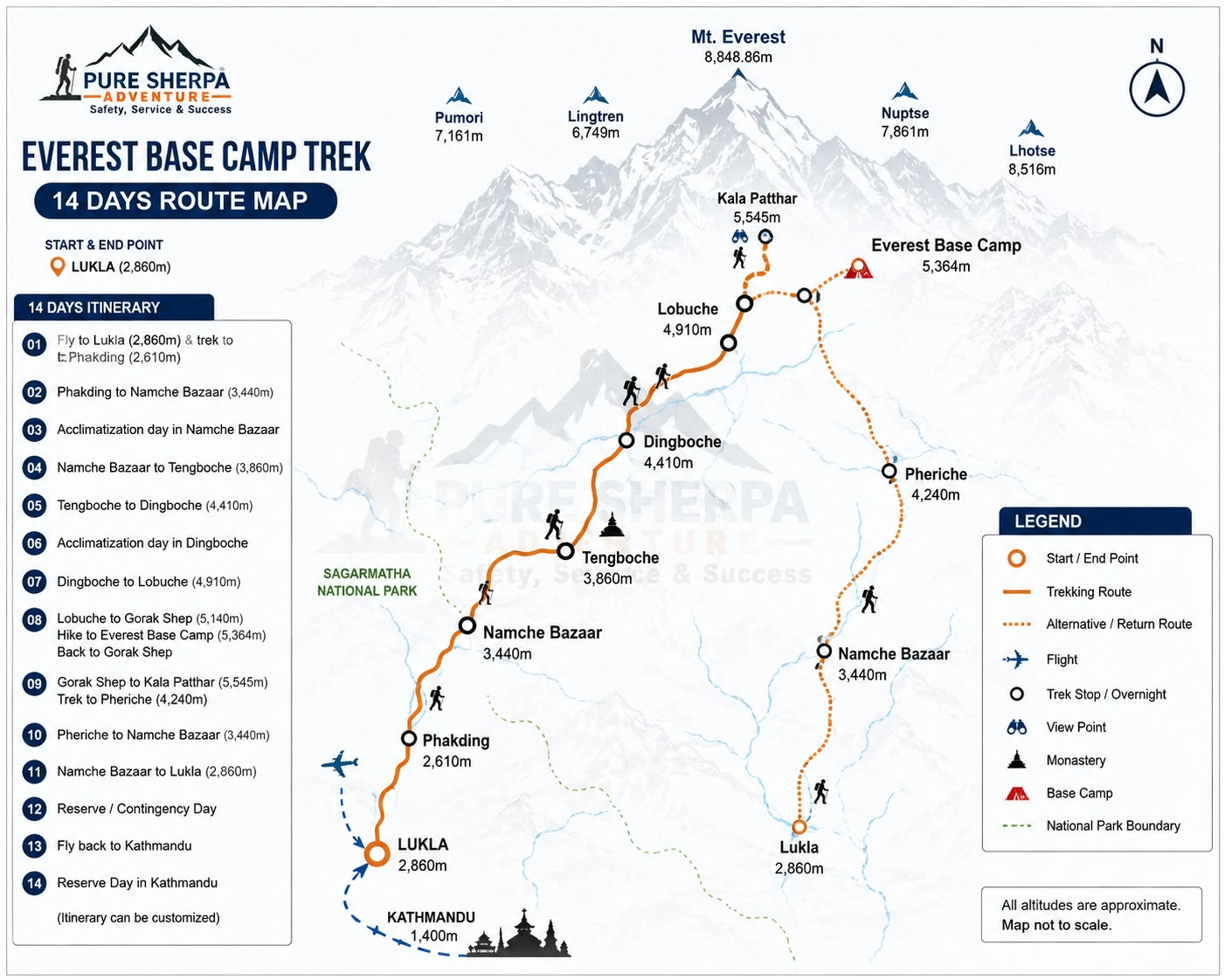
The 14- day Everest Basecamp Trek route starting from lukla to Everest Basecamp and back , Passing through Namche Bazaar,Tengboche ,Dingboche,Lobuche, and Gorak Shep
Everest Basecamp Trek -Altitude Graph
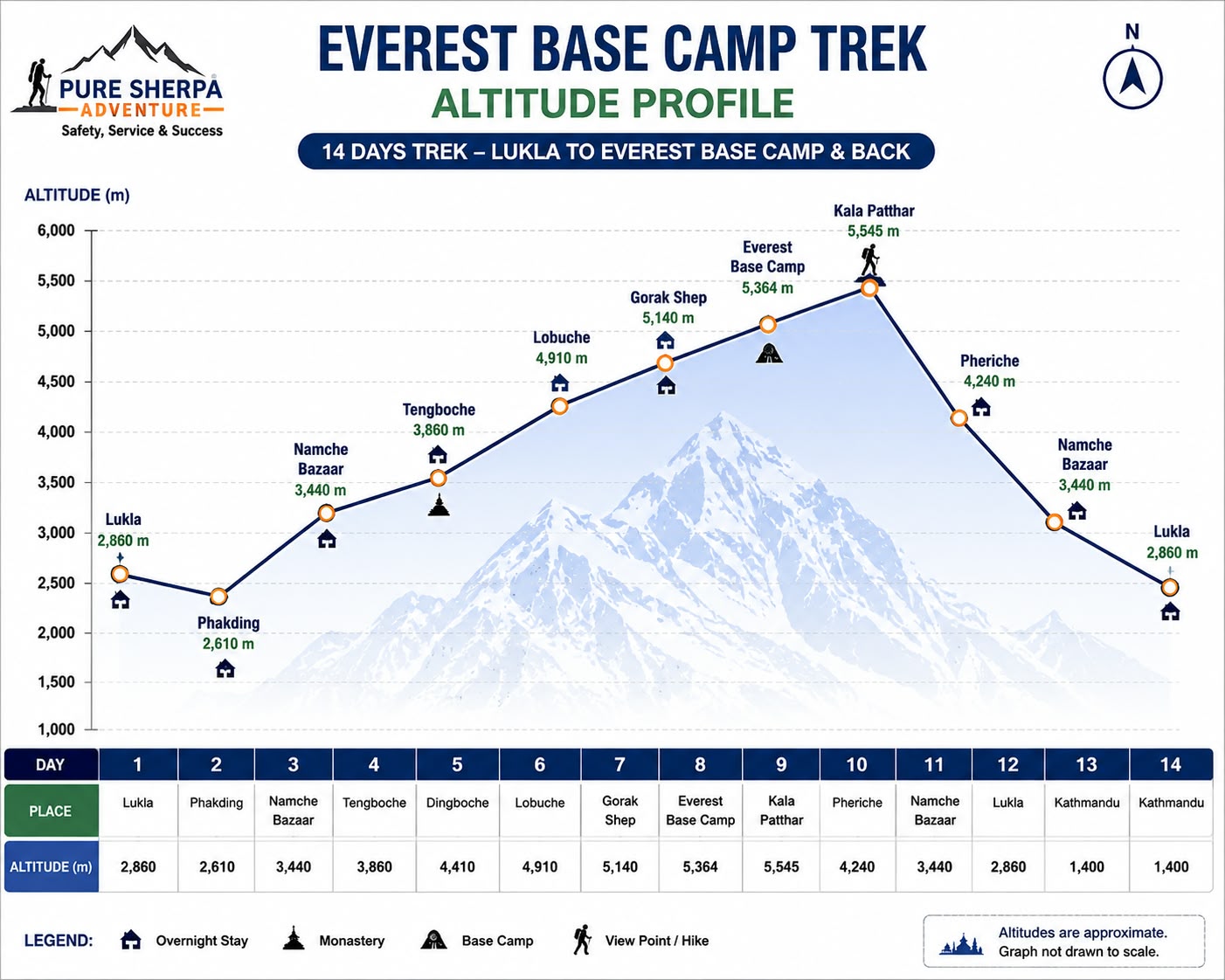
Altitude Graph of the 14-day Everest Base Camp Trek, showing the gradual ascent from Lukla to Everest Base Camp and Kala Patthar, followed by the descent back to Lukla.
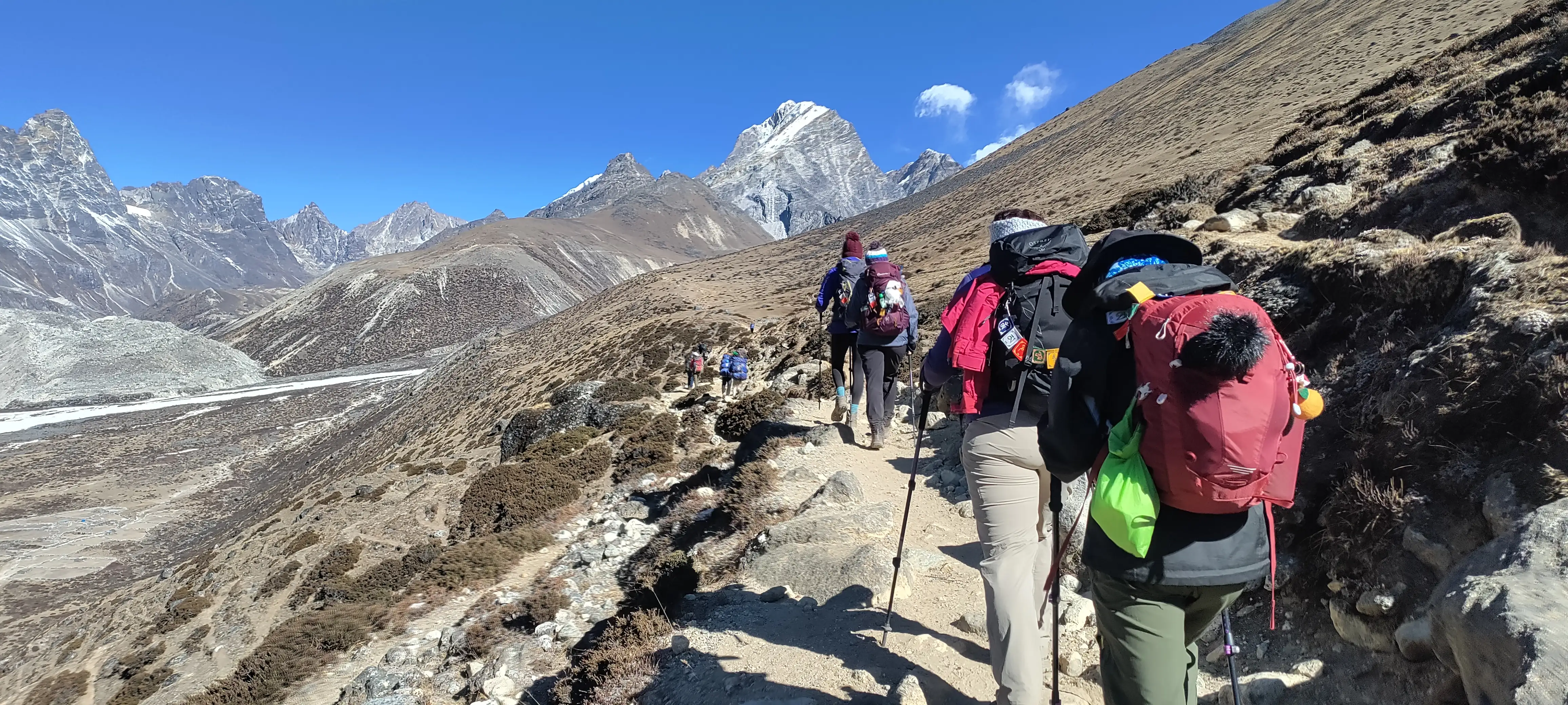
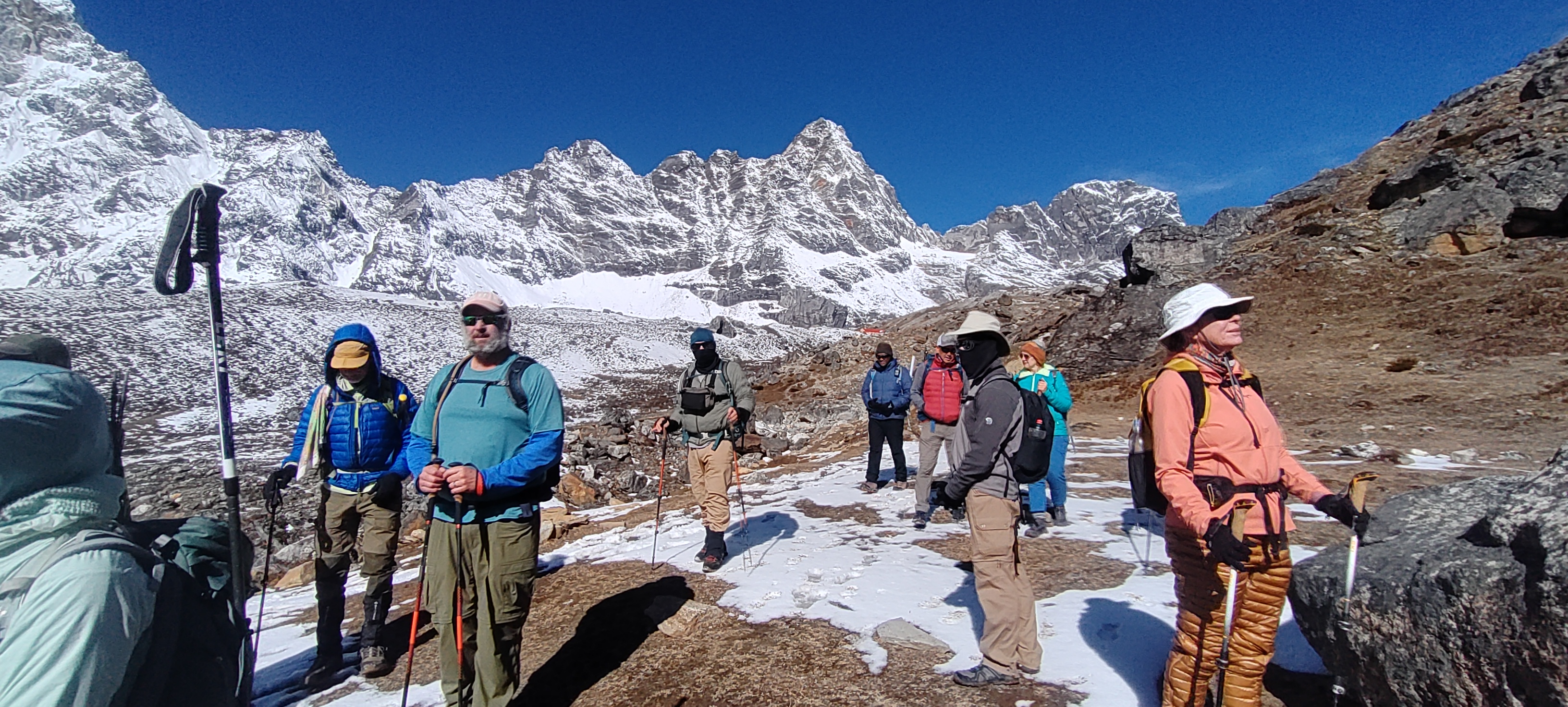
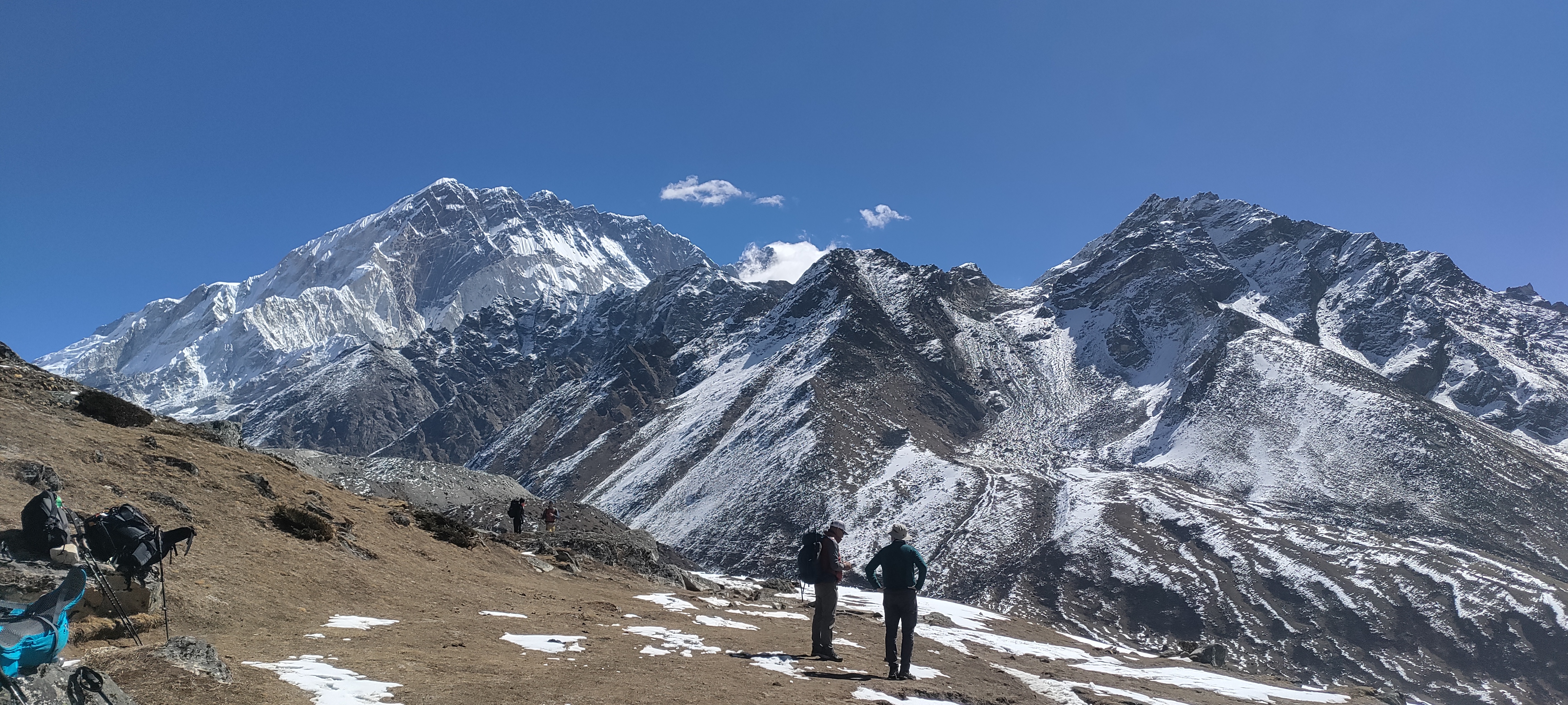
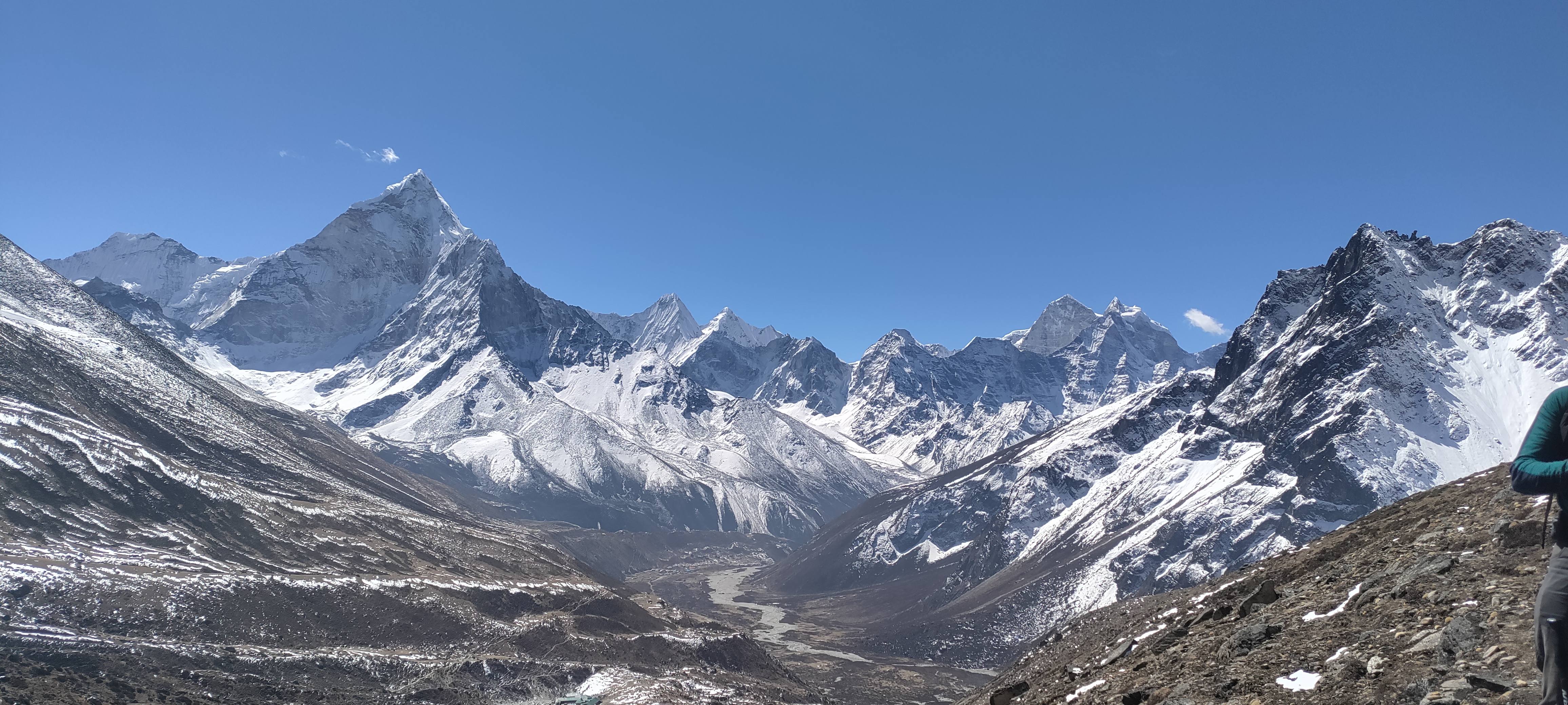
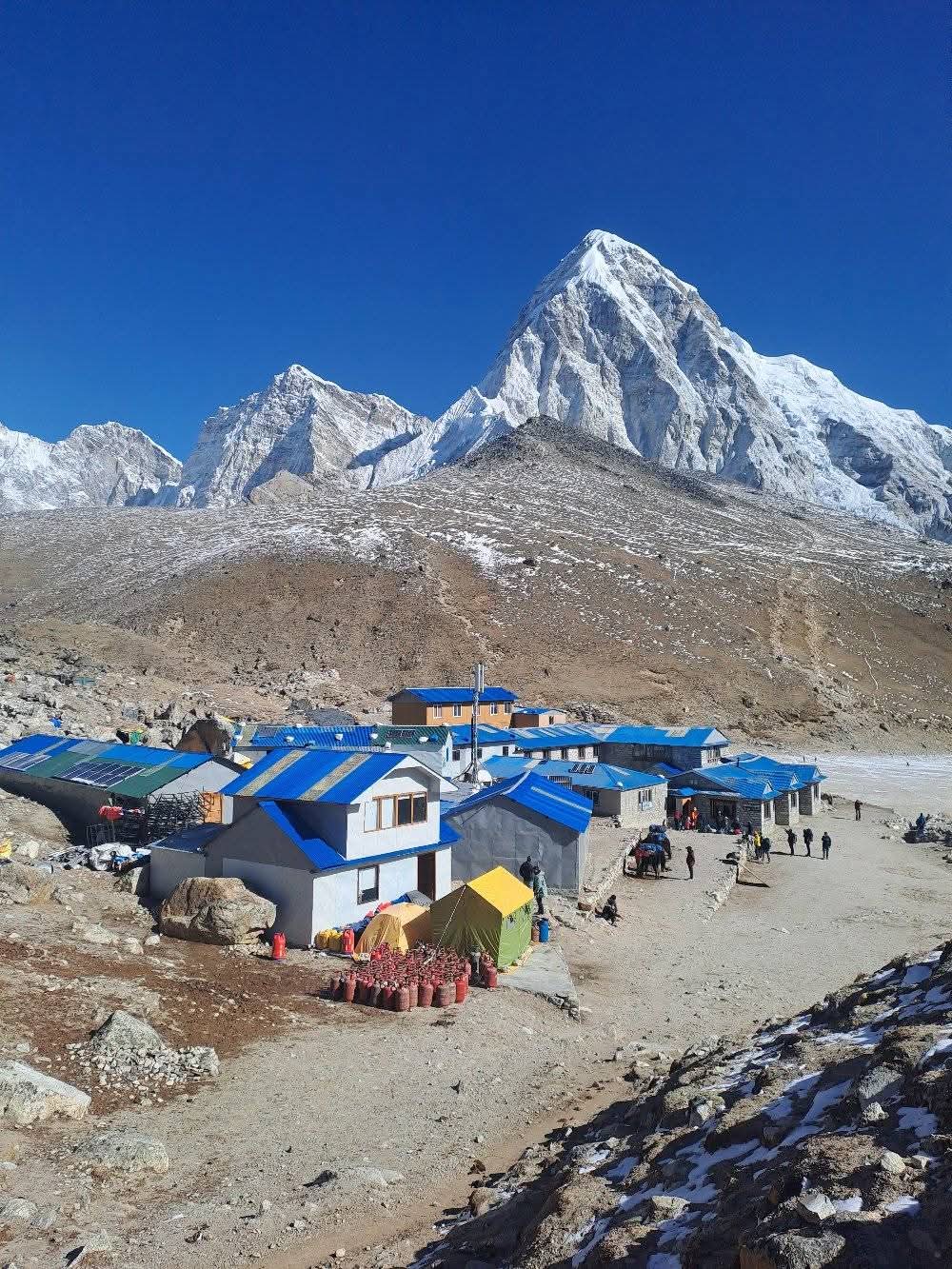
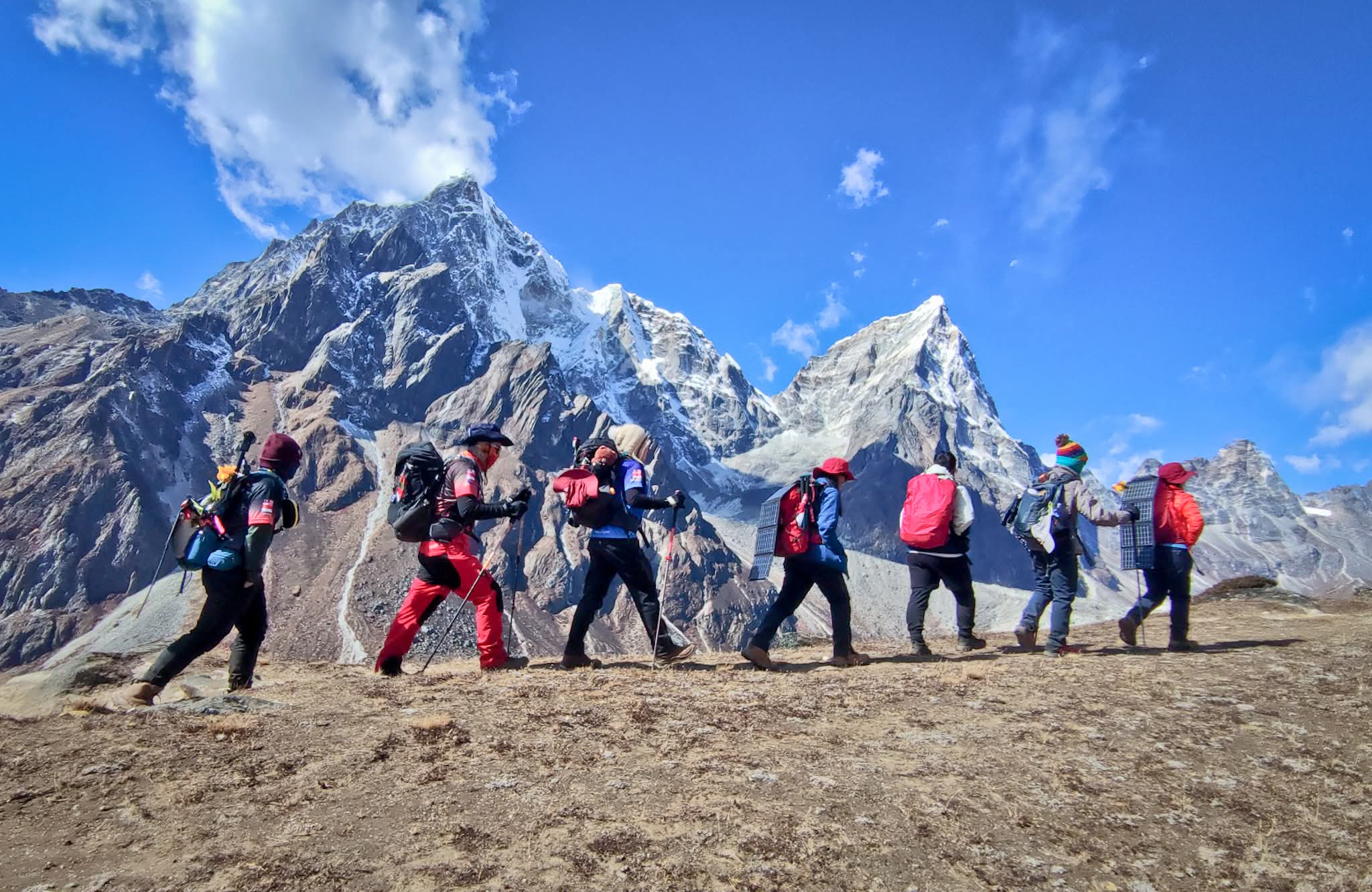
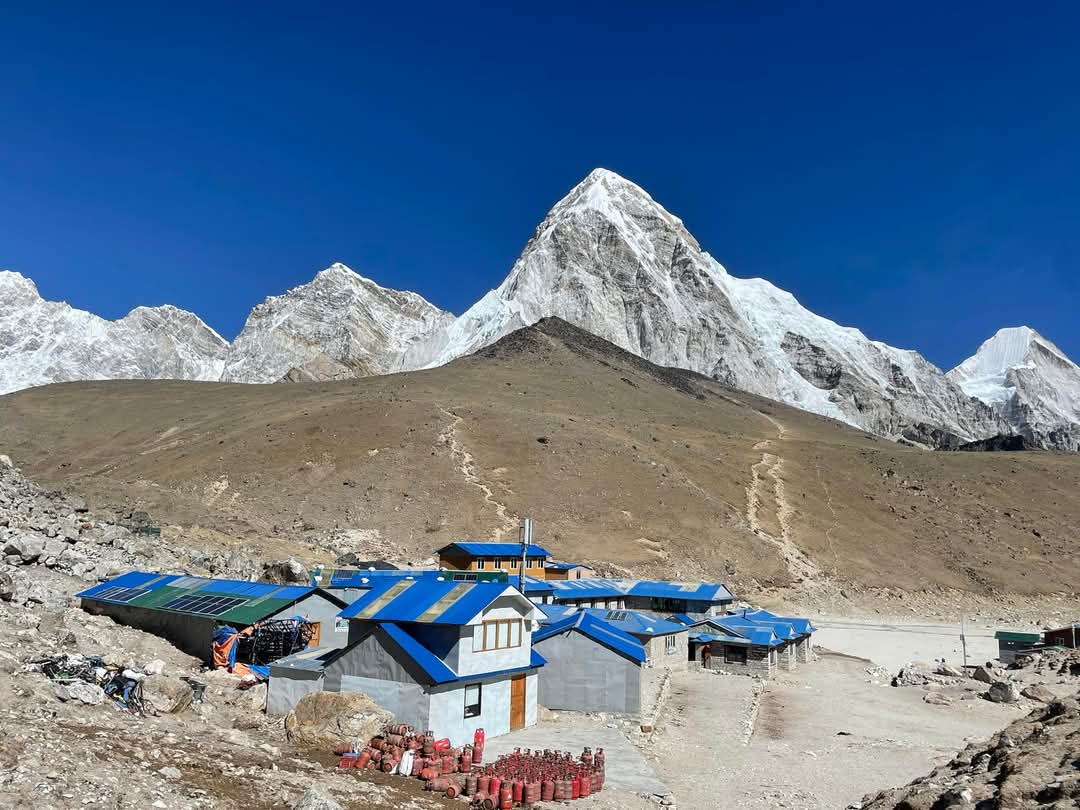
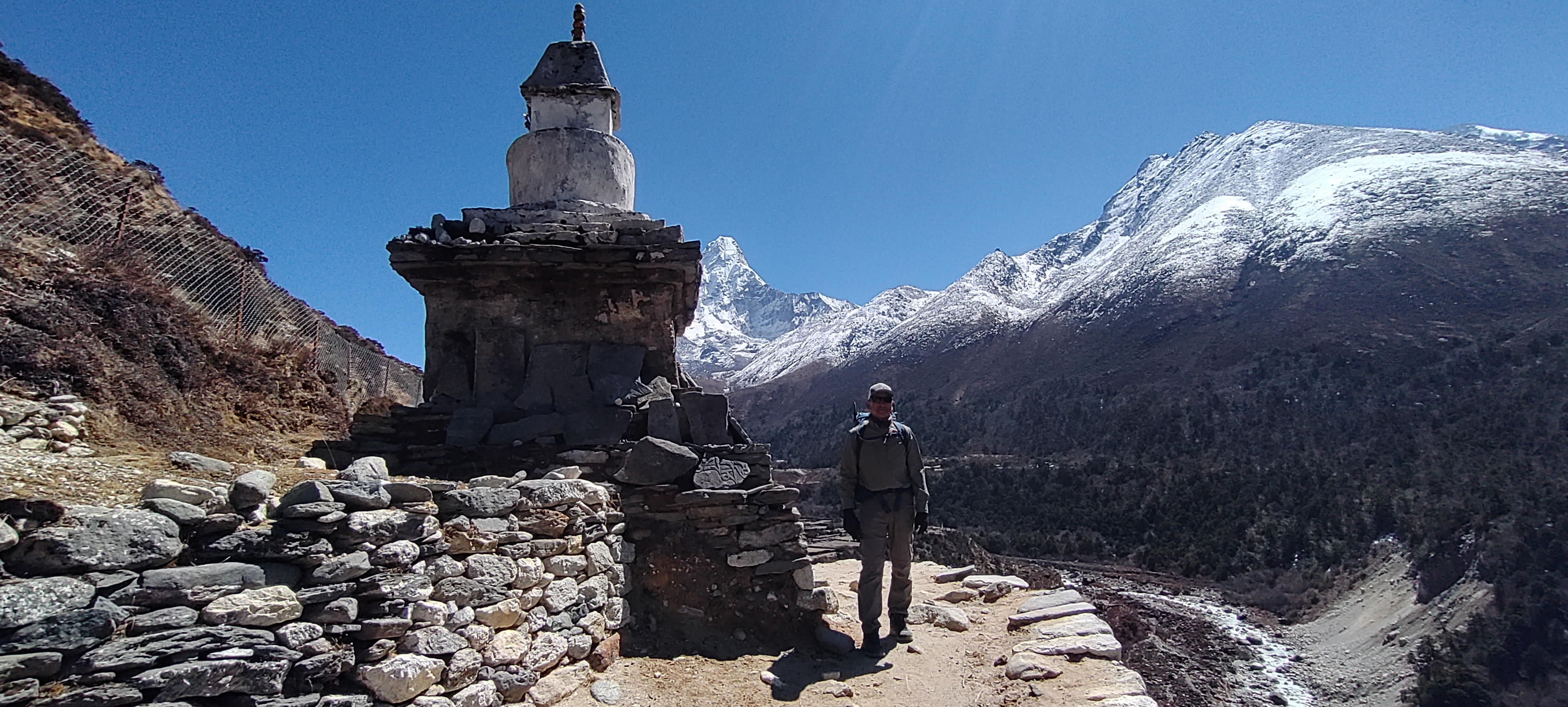
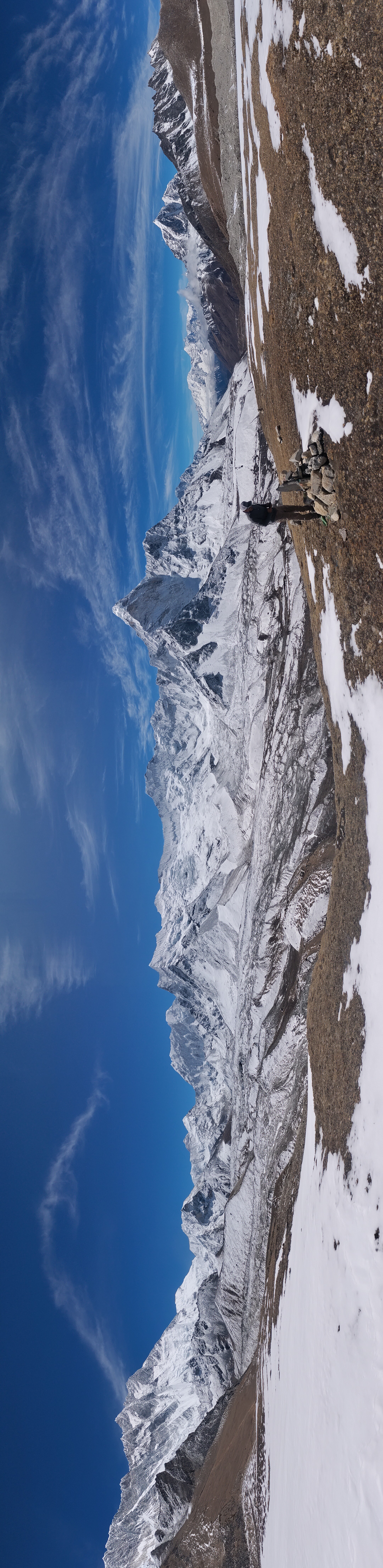
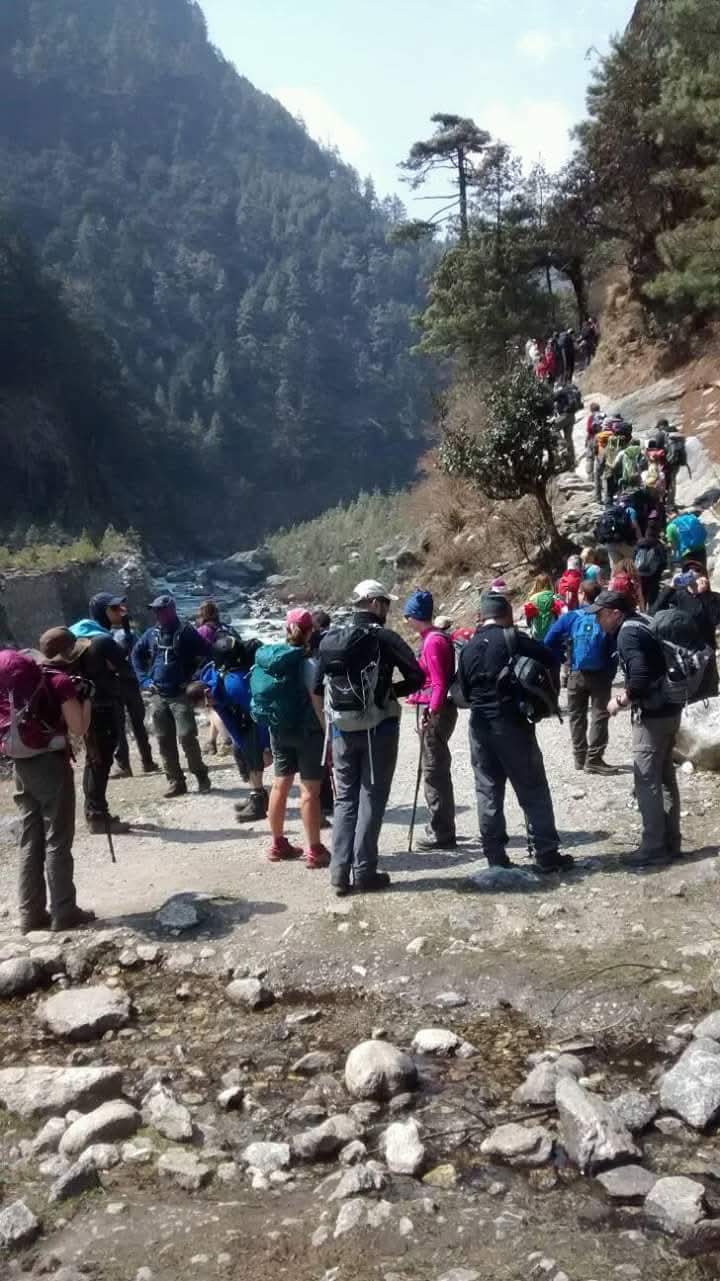
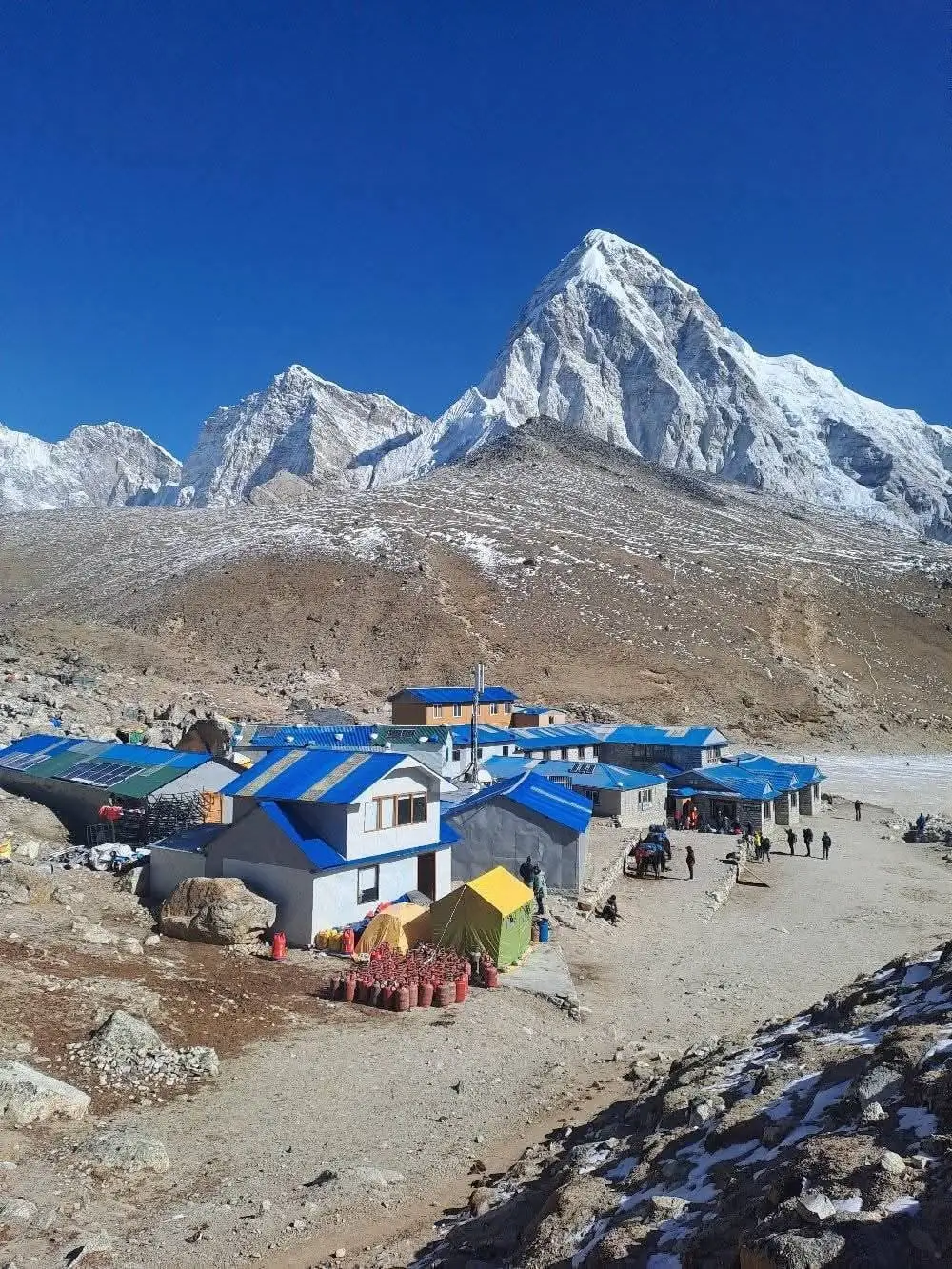
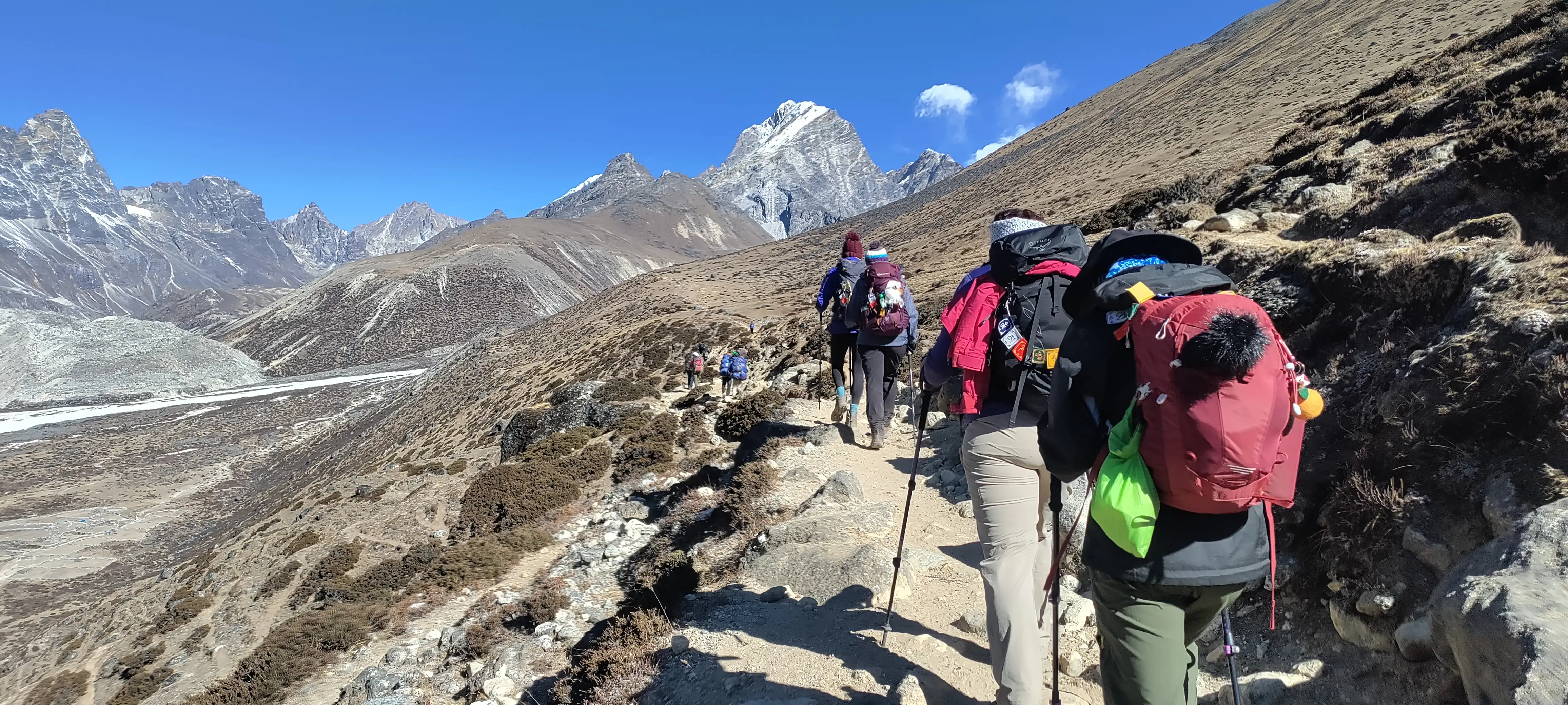
Moments from the trail
Accommodation & Facilities on the Trek
You'll stay in teahouses the entire way, family-run lodges that double as the only real infrastructure in these mountains. Rooms are simple: twin beds, a blanket, a small table, and enough space to dump your gear. Don't expect insulation or heating in the room itself, most of the warmth in the evening comes from the communal dining hall, where a wood or yak-dung stove keeps everyone together after dark.
Lower down the trail, in Lukla, Phakding, and Namche Bazaar, most teahouses have attached bathrooms with a western-style toilet. Once you're past Tengboche, that changes: bathrooms are shared, usually a short walk from your room, and often squat-style rather than sit-down. Hot showers are available for an extra few dollars in the lower villages, but above Dingboche, don't count on one, some lodges offer a bucket of hot water instead, and a few simply don't have the fuel to spare.
None of this is a complaint, it's how the Khumbu works at altitude. We tell every trekker this upfront rather than let it be a surprise on day six.
Permits Required for the Trek
Two permits and one card are required to trek in this region, and all of them are included in your trek cost, we handle the paperwork before you arrive.
The Sagarmatha National Park entry permit is required because the entire route runs through this UNESCO World Heritage-listed park. The Khumbu Rural Municipality entry fee covers the local trekking route itself and replaced part of what used to be handled through a separate TIMS process in this specific region. You'll also need a TIMS (Trekkers' Information Management System) card, which exists so authorities can track who's on the trail, useful in the rare case of an emergency.
You don't need to do anything for these beyond giving us a passport-sized photo and a copy of your passport during your pre-trek briefing in Kathmandu. We keep our permit process up to date with current municipal rules, since these requirements have changed more than once over the years, and we'd rather double-check them each season than hand you outdated information.
Food & Drink on the Trek
Every teahouse on this route runs on a fairly similar menu, and after a few days you'll understand why: dal bhat (rice, lentils, and vegetable curry) is the trekker's staple for a reason, it's filling, it's usually all-you-can-eat, and it's what actually gets people up the mountain. Beyond that, expect noodles, momos, fried rice, potato dishes, garlic soup, and simple pasta, with breakfast options like porridge, eggs, and Tibetan bread.
We recommend easing off meat above Namche Bazaar. It's not banned, but it's carried up on someone's back for days without refrigeration, and most experienced guides steer clients toward vegetarian meals at altitude for that reason. Garlic soup shows up constantly on Everest region menus for a reason too, locals swear by it for altitude adjustment, and while the evidence is mostly anecdotal, it's warm, cheap, and doesn't hurt.
Tap and natural spring water along the trail needs to be treated before drinking. We provide water purification for the group, so you're not relying on buying bottled water the whole way, which also means less plastic waste on a trail that already has too much of it.
Staying Connected (Wi-Fi & Charging)
Most teahouses from Lukla up to around Dingboche offer Wi-Fi through the local "Everest Link" network, usually for a small fee (roughly USD 5-10 for enough data to last the trek), rather than a hotel-style free connection. It's slow, and it drops out more the higher you climb, so treat it as good enough for a message home, not a video call.
Local SIM cards (Nepal Telecom or Ncell) work reasonably well up to Namche Bazaar and get patchy from Tengboche onward. Above Dingboche, don't expect reliable signal at all.
Charging is available in most teahouses for a small per-device fee, typically USD 1-5, higher the further up you go, since it's usually solar or generator power that has to be rationed. A power bank is worth packing, it's the difference between a dead camera on summit morning and not.
Weather & Best Time to Trek
Temperatures on this trek swing hard, both by season and by time of day. A clear, sunny afternoon at 3,500m can drop below freezing within an hour of sunset, and that swing gets more extreme the higher you go.
Spring (March–May)
Spring is one of the two most popular seasons to trek, and for good reason. Daytime temperatures on the lower trail sit around 15-20°C, dropping to -10°C to -15°C overnight once you're above 4,000m. Rhododendrons bloom along the lower valleys during these months, and mornings are generally clear, giving you the best odds of an unobstructed mountain view before afternoon cloud tends to build.
Autumn (September–November)
Autumn is the other prime season, and if you want the single most reliable weather window of the year, this is it. Daytime temperatures hover around 15-18°C lower down, with overnight temperatures above 4,000m dropping to -10°C to -15°C, similar to spring. What sets autumn apart is visibility: skies tend to stay clear and stable for longer stretches than any other season, which is why many photographers and first-time trekkers specifically choose these months.
Winter (December–February)
Winter is colder and quieter, both in terms of temperature and how many other trekkers you'll share the trail with. Daytime temperatures drop to around 5-10°C, and nights above 4,000m can fall to -15°C to -20°C or lower. Some teahouses have limited heating during these months, so warmer gear matters more than usual. If an empty trail and a more solitary experience appeal to you more than mild temperatures, winter is a legitimate option, not just a compromise.
Monsoon (June–August)
Monsoon is the one season we'd honestly steer most first-timers away from. Daytime conditions are warm and humid rather than cold, but frequent afternoon rain below 3,500m and generally poor mountain visibility mean you're unlikely to see the peaks you came for. Overnight temperatures at altitude are more variable and less predictable than in the other three seasons. It's not unsafe, it's simply the wrong season if clear Himalayan views are the point of your trip.
Health & Safety — Altitude Sickness
Altitude sickness becomes a real risk above 3,000m, and it doesn't care how fit you are, we've seen strong athletes struggle and unfit trekkers do fine, because it comes down to how your body individually adjusts, not your gym schedule.
Our itinerary is built around this, not just adjusted for it. We include two dedicated acclimatization days, at Namche Bazaar and again at Dingboche, that follow the "climb high, sleep low" principle: we hike up to a higher point during the day and return to sleep lower, which helps your body adapt gradually rather than being pushed into thin air overnight.
Every guide carries a pulse oximeter and checks your oxygen levels and pulse daily once you're above 3,000m, this isn't optional, it's part of the routine. If you show early symptoms, headache, nausea, unusual fatigue, we slow the pace or descend rather than pushing forward, no exceptions, no matter how close to Base Camp you are. Every trekker is required to carry travel insurance that covers high-altitude emergency evacuation, in the rare case a helicopter descent is genuinely needed.
If this is your first time above 4,000m, that's completely normal, most of our trekkers are. The itinerary is designed for exactly that.
Preparing for the Trek (Training)
This trek doesn't require technical climbing skill or gym-level strength. What it actually demands is endurance, walking five to eight hours a day, for up to twelve days straight, at steadily increasing altitude. Most people who struggle on this trek aren't unfit, they just went too fast for their own body's acclimatization pace.
Start preparing about eight weeks out if you can. Three cardio sessions a week, walking, jogging, or cycling, build the base endurance you need. Add one longer hike each week, ideally hilly terrain with a loaded daypack, working up toward five or six hours by your final few weeks before departure. Stair climbing or incline walking with weight on your back is about the closest simulation you can do without being in the mountains themselves.
Our guides, who walk this exact route dozens of times a year, tell every trekker the same thing on day one: go slow, drink more water than feels necessary, and never try to match someone else's pace, not your guide's, not the fastest person in your group. This trek is won by pacing, not speed. If you've never trekked before, that's fine, plenty of our clients haven't. If you have prior hiking experience, it helps, but it's not the deciding factor altitude is.
Flying into Lukla
The trek begins with one of the more talked-about flights in the world, a short hop from Kathmandu, or from Manthali/Ramechhap during peak season (roughly a five-hour drive plus a twenty-minute flight), to Lukla's Tenzing-Hillary Airport. It sits at 2,840m on a mountainside, with a single, sloped runway that ends at a wall of rock, which is part of why it's often described as one of the most extreme airports in the world.
The flight itself is short and, in clear weather, genuinely stunning. The catch is that it's entirely weather-dependent, low cloud or wind can ground flights for hours or, occasionally, days, both on the way in and on the way out. This isn't a rare edge case, it happens most seasons at some point. That's why we build the trek itinerary with this in mind, and why we always recommend adding one to two buffer days on either end of your trip, ideally before booking your international flight home.
We'd rather tell you this plainly upfront than have you find out mid-trek. It's the single most common reason trekkers' schedules shift, and it has nothing to do with our planning, it's the mountains deciding the weather, not us.
What's included
What's not included
Booking, Payment & Cancellation
Booking with us is direct, there's no third-party platform in between. Message us on WhatsApp or email with your preferred dates and group size, and we'll confirm availability and answer any questions within a few hours. Once you're ready, a 20% deposit secures your spot, and your permits, guide, and accommodation are arranged around your chosen dates. The remaining balance is paid on arrival in Kathmandu, in cash or by card.
We know many trekkers are used to booking through large platforms with fixed calendars. We work differently on purpose. Every trek is planned around your dates, not the other way around, and you're speaking directly with the people running the trip, not a call center.
If your plans change, cancellations made more than 20 days before departure receive a partial refund, and we'll always work with you on rescheduling wherever possible. Full details of our refund policy are available on our Cancellation & Refund Policy page.
Frequently asked questions
General & Trek Overview
Best Time & Weather
Fitness & Training
Altitude Sickness & Health
Permits
Accommodation
Food & Drink
Connectivity
Flights & Lukla
Costs & Tipping
Booking With Pure Sherpa Adventure
Guides, Permits & Safety
Recommended Treks
Gokyo lake and Everest Base Camp Trek via Chola Pass (18days)
Gokyo Valley Trek 13 Days