The Major Cultural Traditions of the Nepali Himalayas
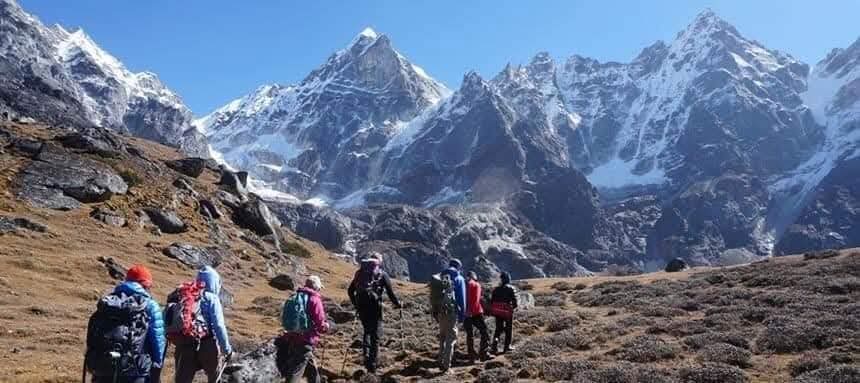
Major cultures prevalent in the Himalayan region of Nepal and the languages they speak: statistics show that Nepal has a population of approximately three crore (about 30 million, with about 125 ethnic groups found in the country, which is why Nepal is also called a country of ethnic diversity. They all live together. Geographically, Nepal is 15 percent Himalayas, 68 percent hills, and 17 percent Terai plains. Generally, settlements above 7,000 feet and up to 17,000 feet are considered Himalayan. Here, oxygen pressure is low, and humidity and temperature are also low. These challenges affect Himalayan settlements, and people in these areas have adapted accordingly. Only about seven percent of the Nepali population lives in the harsh Himalayan regions, mainly due to difficult living conditions, including barren soil, adverse temperatures, and a lack of economic opportunities. Mainly Sherpas, Manangis, and Dolpalis live in the high Himalayan regions. Sherpas are concentrated in the eastern region of Nepal, including Solukhumbu. The Manangis live in the semi-arid areas of Lower Mustang and Manang regions, while the Dolpalis live in the western part of Upper Dolpa. The mid-hilly region of Nepal is home to a variety of ethnic groups, from Thakali, Magar, Gurung, and Tamang to Brahmin, Kshetri, and Thakuri. You can see concentrations of these ethnic groups in different parts of Nepal, and each has its own language, culture, customs, manners, and dress.
The Sherpas
The Sherpas entered Nepal thousands of years ago from Tibet, an autonomous region of present-day China, through Mongolia. The word Sherpa is said to derive from "Shar" (East) and "Pa" (people), though it may also have evolved through the term "Sharpa." In Nepal, the Sherpas live in the districts of Solukhumbu, Ramechhap, Dolakha, and Khotang, east of Kathmandu. They mostly live in the northern part of Solukhumbu, extending into the Rolwaling Valley in the central-east. Sherpas are known as skilled mountaineers all over the world. Historical records trace their presence in Nepal to before the 15th century, when they made a living in the region as traders (mainly salt and wool), herders (cows and yaks), and farmers (cultivating barley, potatoes, and maize. The Sherpas follow traditional Tibetan Buddhism.
The Sherpas often lived near high mountains but did not attempt to climb them, believing the Himalayas to be the abode of the gods. That changed after Tenzing Norgay Sherpa became the first person to reach the summit of Everest, along with Edmund Hillary. However, the Sherpas still revere and worship the Himalayas, performing rituals of worship before climbing. Sherpas do not believe in violence and do not allow animal sacrifice.
As the world becomes more connected and economic activity increases, Sherpa culture is currently facing modern influences. To learn more about Sherpa life, visit the Sherpa settlements of Solukhumbu and Namche Bazaar, where the community is densely settled.
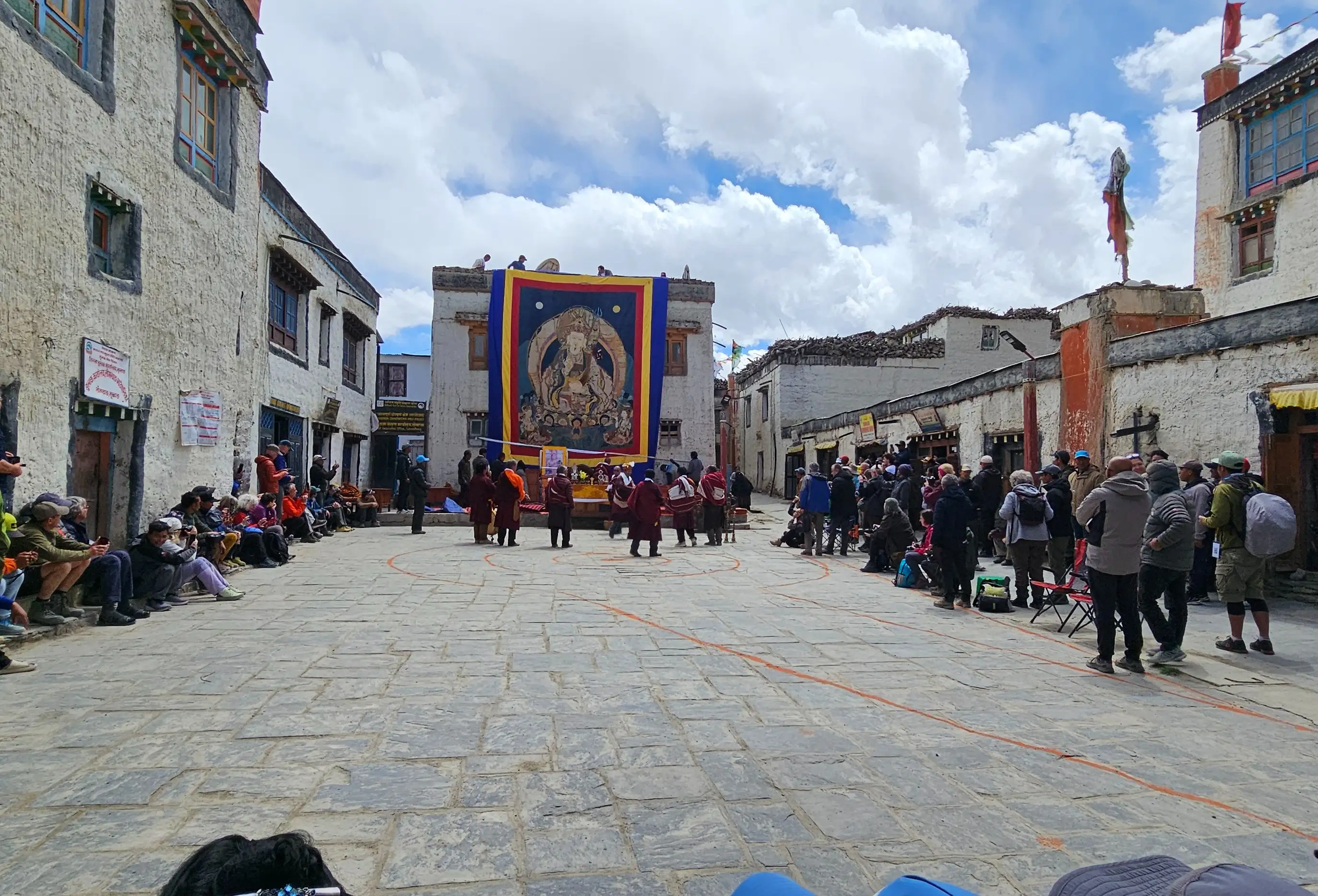
While Losar is celebrated as the New Year, Dumji and Mani Rimdu are the major Sherpa festivals, celebrated in the gompa (monastery).
Lhosar falls at the end of February and marks the beginning of the New Year in the Tibetan calendar.
The Dumji festival falls in July and is associated with prosperity, good health, and the well-being of the community. This festival marks the period when Sherpas take their herds to higher altitudes.
Unlike the other two festivals, Nyungne is a strict observance in which Sherpas fast for half the day without any food and pray for the well-being of all living beings.
The traditional dress of the Sherpas resembles that of Tibetan origin. Both men and women wear woolen undershirts and knee-high bakhus, tied around the waist with a sash. Women also wear a back apron, and married women wear a front apron as well.
To learn more about Sherpa daily life, food, and culture through their traditional dress and language, you can choose from the following treks:
Three Passes including Everest Base Camp Trek (17 days)
Everest Base Camp Trek via Gokyo Lake (15 days)
Everest Panorama View Trek (8 days)
Everest Base Camp Helicopter Tour (5 days)
Lower Solukhumbu Everest View Trek (9 days)
Sherpa Village Trek (7 days)
Pikey Peak Trek
The Gurung
The Gurungs also migrated from Tibetan society to Nepal thousands of years ago, at a time when there was no caste system. When they came into contact with hill peoples and Aryans, they were influenced by the caste system, and as a result, Gurungs today are divided into several sub-groups. According to the 2011 Nepal census, Gurungs constitute 2% of Nepal's population. Gurung settlements are concentrated in Manang, Lamjung, Mustang, Gorkha, and Kaski in the Annapurna region.
Although the main occupations of the Gurungs were traditionally sheep herding and animal husbandry, many have gradually gravitated toward military service as well. Their participation in military service, both at home and abroad, goes back more than 100 years, especially through service in the British Army. Gurungs are known in Nepal as a community with strong loyalty to their profession.
Gurung houses were traditionally made of wood covered with mud and cow dung, though stone and slate houses are more common today. In remote Gurung areas, dancing and singing at feasts and festivals remain common. The Ghatu dance, performed between January and March, is particularly well known.
Rodhi Ghar, a kind of clubhouse where young Gurung men and women gather for singing and dancing, also originated from Gurung culture, though its popularity is declining due to modern influences.
While the Gurungs mainly practice Buddhism, some follow a combination of religious traditions, including animism. In some areas, particularly Manang, Gurungs conduct Buddhist rituals with the help of lamas. They also practice the pre-Buddhist Bon religion, and shamanistic belief remains widespread. Most Gurungs also celebrate Hindu festivals, but their main festivals are Tamu Lhosar and Harsolas.
The Gurungs celebrate Paush Purnima with a communal feast, with funds often raised through dance performances or communal work. On Magha Sankranti (around January 15), the Gurungs bathe in nearby rivers and gather to drink and enjoy millet wine.
On Baisakh Purnima, the full moon day of April or May, Gurungs take part in seba, a unique dance lasting three days. Similarly, Gurungs celebrate Sawan Sankranti, which falls in July, with elaborate festivities.
Gurungs are known around the world as Gurkha soldiers, renowned for their bravery. Life in the mountains, which requires carrying heavy loads across steep terrain, has made the Gurungs physically strong. [reworded for clarity] Traditional Gurung men wear a bhoto (a type of blouse) laced at the front, along with a jama (a type of wraparound skirt) tied at the waist. A long cloth called a patuka is tied around the waist like a belt and is also used to carry the khukuri, a long curved blade. A cap completes the traditional attire.
Gurung women wear a cholo (a type of blouse) on top with a faria, a long pleated skirt often red in color, along with a sash wrapped around the waist.
If you want to experience Gurung culture through its traditional dress and language, you can choose from the following treks:
Annapurna Base Camp Trek (10 days)
Annapurna Circuit Trek (12 days)
Dhampus Pothana Trek (5 days)
Ghandruk Village Trek (4 days)
Panchase Trek (5 days)
The Tamangs
The Tamang people have lived in Nepal for thousands of years. The Tamangs are a Tibeto-Burman people who make up about 6 percent of Nepal's population. The name "Tamang" is generally said to derive from "Ta," meaning horse, and "Mang," meaning trader or merchant in Tibetan, suggesting the Tamangs were originally horse traders. According to recent estimates, more than 51 percent of the Tamang population lives in the districts surrounding Kathmandu. Tamangs have their own language, religious beliefs, and way of life. Tibetan inscriptions from the 13th century state that the Lo Manthang Fort in Mustang was built to defend against the Tamangs, then referred to as "Se Mon Tamang."
Records show that the Tamangs began using "Tamang" as a surname in 1932, after King Tribhuvan and Prime Minister Bhim Shumsher permitted them to do so upon joining the army or civil service. Tamangs have their own language, dress, culture, and social structure. Almost all Tamangs follow Buddhism. Their language derives from the Tibeto-Burman language family and shares some similarities with Gurung. All Tamang rituals involve lamas, who choose auspicious days for religious ceremonies.
The Tamangs follow the Tibetan lunar calendar. The traditional Tamang music and dance style is known as Tamang Selo. The damphu is a musical instrument unique to the Tamangs. Traditional Tamang songs, called hwai, are used mainly for rituals. Tamangs have their own marriage customs, and marriages between maternal and paternal cousins are permitted. To propose, a young Tamang man traditionally offers bread, chicken, and wine to the woman's family; if accepted, the engagement is confirmed.
A distinctive feature of Tamang marriage customs is that the bride's mother, rather than the father, has the authority to accept or reject a marriage proposal. Widow remarriage is accepted and encouraged. Sonam Losar, the main Tamang festival, is celebrated in February or March to welcome the new year. Buddha Jayanti is also an important festival. Tamangs also have their own traditional clothing, including the lungi, patuka, cholo, Tamang mala, and Tamang ghalek.
Most Tamangs live in the Himalayan regions, with denser populations in certain areas. If you want a first-hand experience of Tamang culture, dress, and language, here are some treks to consider:
Langtang Valley Trek (9 days)
Langtang Gosaikunda Trek (10 days)
Ganja La Pass Trek
Helambu Trek
Langtang Circuit Trek
Tamang Heritage Trek
Tamang Heritage and Langtang Valley Trek
The Magar
The Magar people are the largest ethnic group in Nepal. According to the 2021 census, they constitute about 7% of the national population. They are known for their strong historical influence, particularly in the formation of the Gorkha Empire and their role in the Gorkha army. The Magars have a rich cultural heritage, distinctive languages such as Kham, Tarali, and Kaike, and a tradition of skilled craftsmanship, agriculture, and animal husbandry.
The Magars had their own kingdom in ancient times and later controlled Magarat, a region that also played an important role in the expansion of the Gorkha Empire. Many Magars serve in the Nepali army and have historically served in the British and Indian Gorkha regiments, making them one of the principal Gorkha communities. Today, Magars are also represented in politics and social services, with some serving as influential leaders. Their settlements are found throughout Nepal, but they live in large, dense communities mainly in the central-western districts of Rolpa, Rukum, Myagdi, Pyuthan, Salyan, and Jajarkot, as well as the Annapurna region, Lumbini, and the Terai. The Magars maintain an informal social structure with strong family ties and respect for elders, and children are taught specific customs of respect. The Magars are predominantly Buddhist, though some practice a mixture of Hinduism, animism, shamanism, and traditional beliefs, including the worship of nature, idols, and spirits. In earlier times, the Magars were skilled in fields such as mining, blacksmithing, and basket weaving. They are known for their cheerfulness, love of singing and dancing, and distinctive tribal games and rituals. The Magar economy is largely based on agriculture and animal husbandry, though many have also pursued careers in the Gurkha army.
To learn more about Magar culture, traditions, dress, lifestyle, and food, you can choose from the following treks:
Ghorepani Poon Hill Trek (7 days)
Annapurna Base Camp Trek (10 days)
Khopra Danda Trek (7 days)
Ghandruk Village Trek (5 days)
Recommended Treks
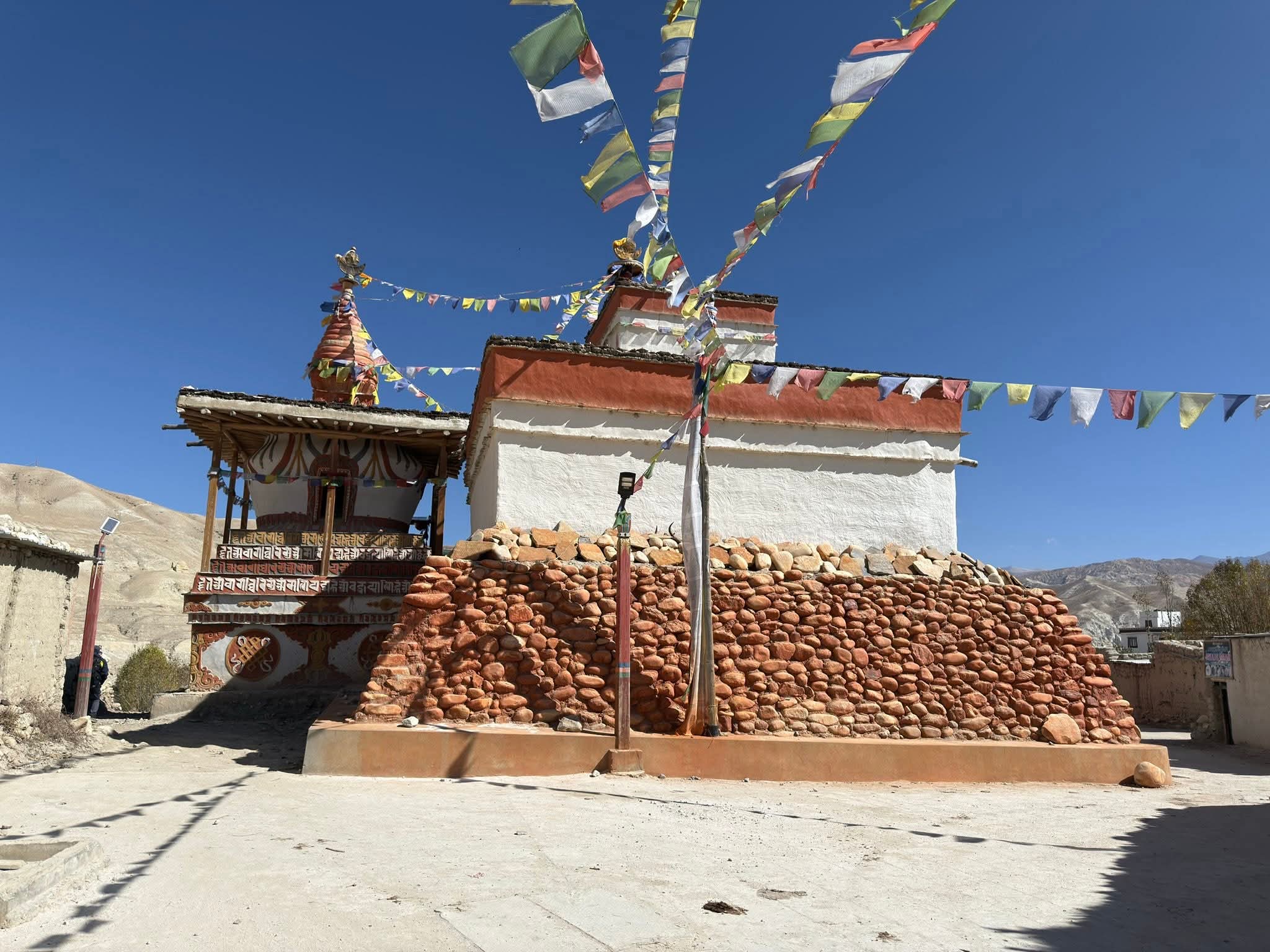
Dolpa trek
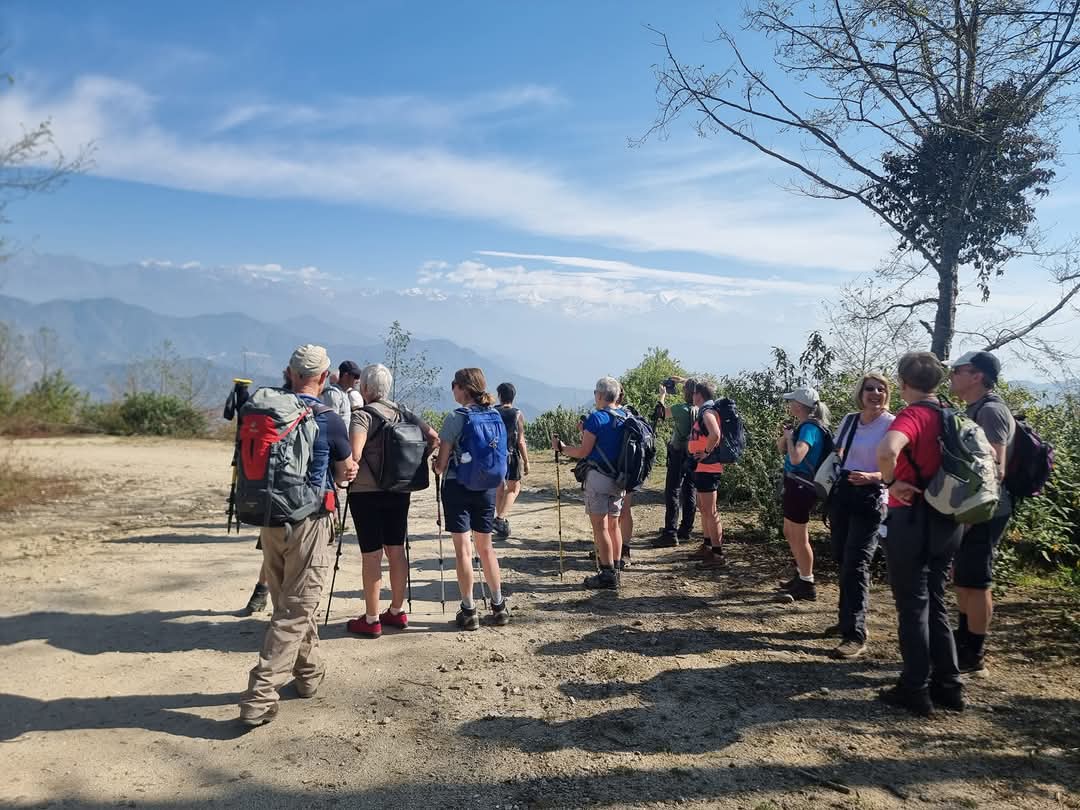
Chisapani Helambu Trek (5 Days)